Immigrant pursued by federal agents before Alex Pretti's killing speaks out

Jose Huerta Chuma is a man in hiding — and he's also a man in distress. He's been replaying the fatal shooting of Minneapolis residentAlex Prettiover and over again in his mind, wondering if he could have done something differently and if there's something that "would have saved that life."

CBS News

The 41-year-old immigrant from Ecuador, who said he has been in the U.S. for over two decades, described witnessingthe shootingafter hiding inside a local business. The Department of Homeland Security has described Huerta Chuma as a criminal living in the U.S. illegally who was the target of the Border Patrol operation that led to the encounter with Pretti on Saturday, Jan. 24.

"I think, maybe if I hadn't gone to that place, or I don't know, a little later or a little earlier, I mean, that never would have happened," Huerta Chuma told CBS News during a phone interview conducted in Spanish.

Asked if he feels some sense of guilt, he said, while crying, his voice fraught with emotion: "I do feel guilty, I do feel bad. I saw stories about the man and I saw a very good person."

DHS officials havedescribedHuerta Chuma as a "violent criminal illegal alien" on the loose. Documents reviewed by CBS News indicate Huerta Chuma's record includes traffic violations, and that he pleaded guilty to a disorderly conduct misdemeanor offense in 2018. The New York Timesreported, citing Minnesota court documents, that the plea was linked to a domestic violence arrest, and that the offense was later expunged.

Huerta Chuma said the domestic violence case stemmed from an argument with his partner at the time. The Minnesota Department of Corrections said ina statementthat Huerta Chuma has never been in the state's prison system and that it did not find felony convictions in his case.

CBS News reached out to representatives for DHS seeking comment about Huerta Chuma's record and whether officials are still pursuing him.

A shooting witnessed from a hiding spot

In his first public comments, Huerta Chuma told CBS News he immigrated from Ecuador in the early 2000s, in his twenties. Before Pretti's shooting upended his life, he was raising his American-born children while working as a rideshare driver.

"I'm not a criminal. I just was working that day," he said. "I was going to pick up the delivery."

Huerta Chuma said he was on his way to pick up a delivery order around 8:18 a.m. on Jan. 24 in south Minneapolis. (He showed CBS News screenshots of the route from that morning indicating he was in the area where the shooting happened.) It was a routine delivery, similar to the almost 20,000 rides he had done over nearly six years.

As he was driving down Nicollet Avenue, Huerta Chuma said he passed a car driving in the opposite direction.

"One agent was staring at me, but I just blinked my eyes and said, 'God, they're immigration,'" Huerta Chuma recalled.

"So, when I looked in the mirror, they turned around immediately."

Huerta Chuma said the agents, who were in a red car without license plates, started to follow him.

"I didn't run or anything, I left very calm," he said. "I saw they were with ICE. I knew in my head they were ICE because they turned around so quickly when they [saw] my face."

Huerta Chuma said he parked his car, got out, and left the vehicle running. He said federal agents started to follow him, and a man at a local business let him inside, locking the door behind him. Huerta Chuma said he hid there for about 4 hours.

Huerta Chuma said he saw Pretti show up and start filming, and he saw a Border Patrol agent push a woman nearby. He said he sawthe agentstackle Pretti to the ground and take his gun.

"It all happened so fast," he said, noting he did not see Pretti trying to hurt the agents or reach for his firearm.

Then he described the rapid-fire shots: "Tac, tac, tac, tac, tac, tac."

Advertisement

Huerta Chuma said he watched the ambulance arrive, but knew it was too late. He said he saw federal agents write down his license plate. Then he left.

"It felt horrible. To be watching and not being able to do anything," Huerta Chuma said. "I don't know how long I will be like this."

Initial public statements at odds with evidence, official report

Immediately after the shooting Huerta Chuma witnessed, DHS officials made sweeping statements about Pretti and his actions, some of which have since beendirectly contradictedby videos, witness accounts and a preliminary government report.

DHS initially said one Border Patrol agent fired "defensive shots" after Pretti "approached" agents with his firearm. The department suggested, without citing concrete evidence, that Pretti intended to "massacre" federal agents.

A report to Congress obtained by CBS News earlier this week found thattwo U.S. Customs and Border Protection agents fired their weaponsduring the Jan. 24 shooting. The report, based on a "preliminary review" by CBP's Office of Professional Responsibility, also did not mention Pretti reaching for his firearm.

Video analyzed by CBS Newsshows an agent had removed the gun from Pretti's waistband one second before another agent fired the first shot.

Border Patrol official Gregory Bovino, who has sincebeen reassignedfollowing the bipartisan backlash triggered by Pretti's killing, described Huerta Chuma as an "illegal alien" during a press conference hours after the deadly shooting. Pointing to a booking photo, Bovino said Huerta Chuma's record included "domestic assault," "disorderly conduct" and "driving without a license."

In a statement two days later, DHS branded Huerta Chuma a "violent criminal illegal alien" who remained "at large," asking the public to call a government hotline with any tips regarding his whereabouts.

Huerta Chuma said the government was displaying an older picture from after he was arrested in 2018 during an altercation with his wife.

Out of work and on the run

Huerta Chuma did not reveal his whereabouts to CBS News. He said he was worried about his safety, his work and what would happen to his three children born in the U.S. Huerta Chuma said he has two children, ages 11 and 15, who live with him, and another child, a 3-year-old, who lives with the mother. CBS News attempted to reach the children's mother but did not receive a response.

Information accessed through the Justice Department's immigration court system says Huerta Chuma's deportation case was administratively closed in May 2022. The immigration court records do not list a deportation order. Huerta Chuma said he has since applied for a "U visa," designed to protect immigrants who are victims of crimes and who have assisted law enforcement investigations.

It's unclear exactly when and how Huerta Chuma first entered the U.S. Huerta Chuma said he has another child living in Ecuador. Court records indicate that Huerta Chuma does not have a criminal record in his native country.

Huerta Chuma said he started working as a rideshare driver so he could have a flexible schedule and be available for his children. But since the shooting, he said, he hasn't worked, and is rarely eating or sleeping. He said he is continuing to hide.

Though he's scared about getting arrested, Huerta Chuma said the main source of his consternation is Pretti's death.

"I'm very devastated, spiritually. Why did they kill the man? He didn't do anything," he said. "I was there. I was there. I saw everything."

José Diaz contributed to this report.

Don Lemon arrested in Los Angeles, sources say

Trump, Bill Gates and more referenced in more Epstein files released by DOJ

Saturday Sessions: Courtney Marie Andrews performs "Everyone Wants To Feel Like You Do"

Immigrant pursued by federal agents before Alex Pretti's killing speaks out

Jose Huerta Chuma is a man in hiding — and he's also a man in distress. He's been replaying the fatal shooting of...
Judge rejects Minnesota bid to block federal immigration agent surge

A federal judge on Saturday denied Minnesota's emergency request to halt a surge of federal immigration enforcement agents in the Twin Cities region.

U.S. District Judge Katherine Menendez said her ruling does not make a final determination on the state's claim that the federal government has overstepped its authority. She also stressed the decision was not a ruling on the legality of specific actions taken by federal agents.

Menendez wrote that granting the injunction would "harm the federal government's efforts to enforce federal immigration laws."

RELATED STORY |'No way' he ran into a wall: Nurses say ICE story on injuries doesn't add up

"The Court must view plaintiffs' claims through the lens of the specific legal framework they invoke, and, having done so, finds that plaintiffs have not met their burden," she wrote.

The judge noted Minnesota officials did not explain how to draw a clear line between what is constitutionally permissible and what is not.

State officials alleged the Trump administration targeted Minnesota as "political retribution" and gave the state unequal treatment, saying other states with larger undocumented populations could see bigger surges in enforcement activity.

But Menendez ruled the state failed to show how the executive branch's discretionary decisions violate the law.

Judge rejects Minnesota bid to block federal immigration agent surge

A federal judge on Saturday denied Minnesota's emergency request to halt a surge of federal immigration enforcement a...
B. found acceptance through pinball, until an incident last fall left her panicked and shaken. (Caitlin Penna for NBC News)

WILMINGTON, N.C. — Some of the best women's pinball players in North Carolina had a dilemma: Though it was an honor to be among the 16 invited to compete for the state title in January and a shot at nationals, they wondered whether they should skip the tournament in protest.

Kat Lake considered declining to send a message of support to her fellow trans pinball players amid a painful rift. But Lake, one of the top women in the country, also didn't want to give up on years of hard work climbing the ranks.

She ultimately decided to go, and on an unusually cold and rainy Sunday this month, she drove to the Coastal Hemp Company, a joint hemp shop and arcade. She greeted her competitors with hugs.

"These are the people that got me into pinball, that helped me become who I am, and I don't want to throw any of that away," she said.

Kat Lake, 41, has five pinball machines in her home and loves teaching people about the game. (Caitlin Penna for NBC News) Pinball players liken it to a video game. The goal of

Competitive pinball is a surprisingly intense sport with an inclusive culture, a niche pursuit that has long been safe from the spotlight — and from national politics. Then, at a tournament in November, an arcade employee insisted that a transgender competitor couldn't use the women's bathroom. The incident — and how it was handled by the sport's governing body, the International Flipper Pinball Association — tilted a friendly community into turmoil.

The all-male leaders of the IFPA say they received threatening messages. Players accused the organization of not doing enough to back trans competitors. The group's entire Women's Advisory Board resigned. Tournament directors and players across the country have boycotted IFPA events as a show of support for trans players.

The pinball blowup occurred at a moment when trans people face an increasingly hostile environment in the United States, particularly in sports. Twenty-nine states have laws or regulations prohibiting trans student-athletes in K-12 schools or colleges from competing on teams that align with their gender identities. The governing bodies for sports ranging fromswimmingandtrackto pursuits likechessanddartshave banned trans women from women's events.

What makes this dispute unusual is that everyone, including the IFPA, agrees that trans women should be allowed to play. The division is over the aftermath of the bathroom incident and whether the trans people involved received enough support. It highlights the complexities that even the smallest and most inclusive sports organizations are struggling to navigate in a tense political climate.

'Shrinking safe spaces'

The trans woman barred from using the bathroom said pinball had, until that day, been her safe space. B., a computer programmer based in Raleigh, asked to go by an initial because not everyone in her life knows she's transgender, though her pinball community does.

B. said she started playing in a local pinball league just over a year ago, and she has come to love the sport. She likes the flow state she gets into. After she lands shots, she sometimes breaks into a celebratory dance.

She has also found acceptance through the hobby. B. said the first person she came out to in pinball was Joan McCool, 72, who has been playing pinball since 1975 and is affectionately known as "pinball mom." McCool was immediately supportive. B. also learned that there are many trans people competing in the sport.

Kaylee Campbell, 42, has been playing pinball competitively for more than a decade. (Caitlin Penna for NBC News)

One of them is Kaylee Campbell. She came out as a trans woman in the fall of 2020 and asked the IFPA to change her name on official records. At that point, the IFPA didn't have a clear policy on trans players, but leaders were welcoming.

"It could sound silly to some people, but before transitioning, I was worried about my family, my job and then pinball — that was the order of fears of things that I may be losing by coming out publicly," Campbell said. "It makes me really proud that I'm putting things out there and being part of something that can be a safe space in a world with seemingly shrinking safe spaces."

After President Donald Trump returned to office last year and signed policies targeting transgender people, theIFPA said in a statementthat its tournaments should be "free from homophobia, transphobia, and all other types of discrimination." By then, it hadadopted a gender inclusion policy.

Finding out that her hobby was so trans-inclusive was "a breath of fresh air," B. said, which is what made the bathroom incident so jarring.

B. traveled to Grandy, a small, conservative coastal town, in early November. She planned to compete in the Outer Banks, or OBX, Fall Flippers Pinball Tournament. The tournament venue, Flippers Convenience & Arcade, boasts the most pinball machines in the state.

On Nov. 7, the first day of the tournament, B. said, she went to the bathroom about 10 minutes before the competition. As she washed her hands, a woman who manages the arcade came in and told her that it was against the law for her to be there and that the men's room was across the hall.

"I was just dumbstruck," B. said.

She left the bathroom and immediately told Samantha Bacon, a co-director of the tournament. Bacon, an aerospace engineer from Wake Forest, is also transgender and one of the top players in the country.

B., 35, likes playing older pinball games, which can require intricate shots. (Caitlin Penna for NBC News)

Bacon began to panic. There were a lot of trans and gender-nonconforming queer players at the tournament who would need to use the restrooms, she said.

She confronted Becky Connell, the manager who had spoken to B. Connell, Bacon said, pulled out an iPad and showed her a recent North Carolina bill that she said prohibited trans women from using the women's restroom.

"She puts it in front of my face and says: 'This is the law. If it happens again, I'm calling the cops,'" Bacon said. Bacon looked up the bill and showed Connell that it hadn't been passed into law, but, she said, Connell insisted that she was the manager and that she would have anyone she thought was in the wrong restroom charged with trespassing.

In text messages with NBC News, Connell said she confronted a trans person in the bathroom and "politely told" them that "the men's restroom was next door." (Connell said the person she confronted was a different person, not B.; that player, who is nonbinary, told NBC News that Connell didn't speak to them in the bathroom.) Connell didn't respond to questions about the state bill and said she threatened to call the police only when some of the pinball players started harassing her, which the players denied. She said she later received an anonymous unsettling letter at her home.

The arcade's owner, David Shields, said in a text message that transgender participants have always been allowed to use the women's restroom since the arcade started hosting tournaments in 2012. He defended Connell, calling the November situation regrettable but "not intended to cause harm." The arcade is "committed to fostering a positive and respectful atmosphere for all," he said.

Bacon's next move on the afternoon of Nov. 7 was to message the IFPA's leadership. Josh Sharpe, the organization's president, told her she had the authority to shut the entire tournament down if necessary, because the event was in violation of its inclusion policy.

Samantha Bacon, 35, said she doesn't know how she'll move forward in pinball.

Bacon consulted Campbell, the tournament co-director, about whether to cancel.

"I was worried that they would just blame the trans people for getting the whole tournament canceled," Campbell said. She searched for an alternative solution.

News of the incident spread quickly, and about a dozen players, many of them trans, gathered outside the arcade, with most saying they didn't feel comfortable going in.

Kevin Stone, the main tournament director, told Campbell and Bacon that he didn't know what to do. Campbell suggested providing three additional hours of qualifying time to players who wanted to wait until Connell left. With that temporary solution, Bacon sent a message to IFPA leadership around 3 p.m. that said, "We got it sorted."

But the issue was far from sorted. Neither those organizing the tournament nor the IFPA initially understood the potential fallout. The fact that no one chose to cancel the tournament was part of what ultimately fractured the pinball community — which Bacon said she carries guilt about even though she feels it wasn't her fault.

Immediately after the bathroom confrontation, a friend guided B. to the arcade's back patio, where, she said, she had a panic attack and then went back to her hotel. She never returned to the arcade.

"Those first few days, it was a lot," B. said. "Being so new to being open about being trans, I think that was probably one of my first five times using a restroom labeled as women's. I've definitely, over the past few months, took a few steps back in how public about being trans I've been."

No one from IFPA leadership has reached out to her, B. said.

A painful divide

Once the IFPA's leaders fully understood what happened at the Outer Banks tournament, they agreed on the key issues: that trans women should feel safe at tournaments, including in women's restrooms, and that the bathroom incident violated the IFPA's inclusion policy, which meant the event should have been de-sanctioned, meaning the points players earned wouldn't count.

But it wasn't. The tournament continued, sanctioned, for the rest of the weekend, and that is where the fracture began. The IFPA's leadership, an all-volunteer group of men mostly responsible for developing algorithms to maintain the world pinball rankings, was suddenly thrust into an emotional debate. Many players, including trans players from North Carolina, expected the leaders to de-sanction the tournament to send a message that what happened wasn't acceptable. Some players took the IFPA's decision to mean that points were more important to leadership than trans players' inclusion and safety.

In the days afterward, Stone, the main tournament director at the event,apologized, saying he should have delayed the tournament until Connell left. He did not respond to requests for comment.

IFPA Director Adam Becker issued statements describingwhat happened as a leadership failure. He said Flippers Convenience & Arcade would be prohibited from hosting IFPA-sanctioned events for at least a year.

However, he said, the IFPAwouldn't de-sanction the eventbecause it didn't want to set a precedent that it could retroactively revoke sanctioning "based on failures of the IFPA organization." The IFPA pointed to Bacon's "We got it sorted" message specifically. Bacon felt the leaders were blaming her, and she resigned from the IFPA's Women's Advisory Board.

"If you're going to throw me under the bus like that, I'm gone," she said.

The IFPA said in a statement that the organization regretted that its handling of the situation contributed to Bacon "feeling blamed or singled out."

Over the next week, the debate over whether the tournament should remain sanctioned went national, with more than1,400 players signing a petitiondemanding that the organization reverse its decision. The four remaining members of the women's board voted to remove sanctioning, but Becker overruled them. As a result, they allresigned Nov. 19.

IFPA policy prohibits discrimination at tournaments that it sanctions. (Caitlin Penna for NBC News)

An online chat for IFPA players became heated, and IFPA leaders said that's when they began to receive alarming messages, with one calling them "transphobic pieces of trash," according to screenshots shared with NBC News.

The incident has especially shaken the women's pinball community, which has grown since the IFPA began recognizing women's tournaments in 2022. Players said the women's-only matchups began in part because arcades and gaming culture can be misogynistic. Men are likelier to hover over players during a game, which can be distracting and intimidating, players said.

As anger at the IFPA grew, players began boycotting events and some tournament organizers began pulling out of the IFPA. One tournament director in Oregon said players there were discussing starting their own competition circuit.

In response to the backlash, the IFPA has rolled out a number of policy and staff changes. It created an email address that players and tournament directors can use to report incidents that threaten player safety. It alerts the entire IFPA leadership team, which the group recently expanded toinclude Campbell and another woman. The IFPA also published a newcode of conductandinclusion policy, which tournament directors have to acknowledge that they have read before they submit new events to the IFPA.

Sharpe, the IFPA's president and one of the top players in the world, said in a phone interview that one of the key lessons the organization learned was that simply having inclusion policies on a website wasn't sufficient.

"We learned that we do have to do more, providing the organizers of these events with clear, enforceable guidance on how they can respond to these situations when they occur," he said.

The IFPA said its failure to contact B. was another communication error.

Going forward, Sharpe said, his biggest message to trans players is that they belong and that they should expect to feel safe and respected at IFPA-sanctioned events.

'I'm still going to be here'

For B., rebuilding trust is a work in progress.

She sees the IFPA's new inclusion policy as a good step but wonders whether it will actually be followed.

"What happened at Flippers was covered by the policy that they had," she said.

A week after the incident in the Outer Banks, B. said, she was shocked to play the best pinball of her life, winning eight matches in a row over two tournaments and qualifying for the North Carolina women's state championship for the first time.

That's how she found herself at the Coastal Hemp Company for the women's state tournament in January, nervously preparing to play against friends and players she looked up to. As the owners fired up a countertop popcorn machine, a disco ball hanging from the ceiling cast hundreds of shimmering reflections across the room.

She didn't reach the final round, where Bacon faced Campbell, her longtime rival, and won, with Lake coming in third. But B. said she was glad she tried. Even though she has complicated feelings about competing, she refuses to stop playing.

"F--- them, I'm still going to be here," she said. "Pinball has been such an escape," she added. "I'm not giving that up."

B. loves the music in the '90s rafting-themed game IFPA President Josh Sharpe said what happened at the Outer Banks tournament does not define the community.

How a trans woman's removal from a restroom tore the world of competitive pinball apart

WILMINGTON, N.C. — Some of the best women's pinball players in North Carolina had a dilemma: Though it was an honor to be among the 16 ...
Longtime Penguins defenseman Kris Letang out at least a month due to fractured foot

PITTSBURGH (AP) — Pittsburgh Penguins defenseman Kris Letang will miss at least four weeks with a fractured foot.

The club announced the extent of the injury on Saturday before the surging Penguins faced the New York Rangers. Pittsburgh coach Dan Muse said Letang, who is in his 20th season, injured the foot duringa 6-2 victory over Chicagoon Thursday.

Letang's absence comes with the Penguins surging into the Olympic break. Pittsburgh is 6-0-2 in its last eight games to move into second place in the Metropolitan Division.

The 38-year-old Letang has three goals and 22 assists in 50 games this season for the Penguins. He is currently three points shy of 800 for his career.

Letang's injury comes at a potentially fortuitous time for Pittsburgh with the NHL set to take an extended break for the 2026 Winter Games in Milan Cortina, which start next week. The Penguins not participating in the Olympics will be off from Feb. 6 to Feb. 25.

AP NHL:https://apnews.com/hub/nhl

Longtime Penguins defenseman Kris Letang out at least a month due to fractured foot

PITTSBURGH (AP) — Pittsburgh Penguins defenseman Kris Letang will miss at least four weeks with a fractured foot. ...
Paul George admits to taking 'improper medication' for mental health issue after NBA suspends him for 25 games

The NBA suspended Philadelphia 76ers forward Paul George 25 games without payfor violating the league's anti-drug program. In a statement to ESPN on Saturday,George admitted to taking "improper medication" for a mental health issue.

"Over the past few years, I've discussed the importance of mental health, and in the course of recently seeking treatment for an issue of my own, I made the mistake of taking an improper medication," George said in the statement.

"I take full responsibility for my actions and apologize to the Sixers organization, my teammates and the Philly fans for my poor decision making during this process."

George added: "I am focused on using this time to make sure that my mind and body are in the best condition to help the team when I return."

George's suspension will begin Saturday night, when the Sixers host the New Orleans Pelicans, the league announced. When he's eligible to return, the Sixers will have a mere 10 games remaining in the regular season, starting with a March 25 home matchup against the Chicago Bulls.

In his 16th NBA season, the 35-year-old George is averaging 16 points, 5.1 rebounds and 3.7 assists per game on 42.4% shooting for a Philadelphia team that's 26-21 and sixth in the Eastern Conference.

The nine-time All-Star and six-time All-NBA selection is in his second season with the Sixers aftersigning a maximum four-year, $212 million contract with the franchise in the summer of 2024.

George's suspension could have an impact on Philadelphia's trade-deadline approach. His 25-game ban will cost him $11,742,294,according to NBA salary cap analyst Yossi Gozlan, who reported Saturday that, in turn, the Sixers will receive a luxury tax credit worth half that amount.

As a result, per Gozlan, the Sixers will be only $1.3 million above the luxury tax line. In saving more than $5 million in luxury tax payments, it will be easier for the Sixers to duck out of the tax before the deadline without disrupting a roster that has Philadelphia back in playoff contention, after last season's injury-riddled nosedive saw the team miss the postseason for the first time since 2016-17.

Paul George's 25 game suspension will cost him $11,742,294.The Philadelphia 76ers will receive a luxury tax credit worth half that amount ($5,871,147).This brings the Sixers from $7 million above the luxury tax line to just $1.3 million above it.

— Yossi Gozlan (@YossiGozlan)January 31, 2026

"Obviously, we've been ducking the tax the last couple of years, so hopefully we keep the same team," Sixers star center Joel Embiid told reporters after a 113-111 win over the Sacramento Kings on Thursday,per ESPN. "I love all the guys that are here. I think we got a shot.

"I don't know what they're going to do, but I hope that at least we got a chance to just go out and compete because we got a good group of guys in this locker room, and vibes are great."

While George is the Sixers' third-leading scorer this season, his availability in Philadelphia has been a concern since he arrived. The 6-foot-8 wing played 74 games in 2023-24, his final season with the Los Angeles Clippers, but he hadn't played more than 56 games in any of his prior four seasons.

After joining Embiid and then-reigning NBA Most Improved Player Tyrese Maxey to form a "Big 3" in Philly, George appeared in just 41 games for the Sixers last season.

Hemissed the start of the 2024-25 campaign with a bone bruise in his hyperextended left knee. Not long after he returned,he missed more time with a similar injury. Then he missed games with a finger injury in January.

By mid-March,the Sixers shut down Georgedue to both a left adductor muscle injury and a left knee injury. At that point, Embiid was already done for the season, too.

Georgedidn't make his debut this season until Nov. 17after he underwent offseason knee surgery, which sidelined him for the first 12 games.

The Sixers teamed up Embiid and Maxey with George in an attempt to finally get over the Eastern Conference semifinals hump. That trio has shared the court together this season for a total of 365 minutes over 17 games, per ESPN.

Paul George admits to taking 'improper medication' for mental health issue after NBA suspends him for 25 games

The NBA suspended Philadelphia 76ers forward Paul George 25 games without payfor violating the league's anti-drug pro...
Puerto Rico considers pulling out of WBC after insurance keeps stars off team

The World Baseball Classic will be without several of its top stars because they have been unable to acquire insurance coverage in case they are injured during the tournament.

USA TODAY Sports

No team has been hit harder than Puerto Rico, which couldn't secure insurance coverage for several of its biggest names in Francisco Lindor, Carlos Correa, Jose Berrios and Emilio Pagan.

Puerto Rican officials are so frustrated that they have considered pulling out of the WBC, federation presidentJosé Quiles revealed.

The Major League Baseball Players Association said that Lindor is unable to play in the WBC because of an elbow procedure early in the offseason, although he will be fine to participate in spring training for theNew York Mets.

"Francisco is obviously disappointed that he was be unable to participate," the MLBPA said in a statement. "However, because of WBC insurance constraints, he is ineligible to play in WBC games. He was participate fully in all spring training activities."

Francisco Lindor and Jose Altuve in 2025.

Houston Astros All-Star second baseman Jose Altuve was also denied insurance and won't be able to play for Venezuela in the WBC.

"Due to the criteria for WBC insurance coverage, Jose Altuve was looking forward to participating in the WBC and representing Venezuela, but unfortunately is not eligible to do so," the MLBPA said in a statement.

Venezuela will also be without Dodgers World Series hero Miguel Rojas, who announced on his Instagram account that he was also denied insurance.

Advertisement

"Today I am very sad," he wrote in Spanish. "A true shame I can't represent my country and put that flag on my chest."

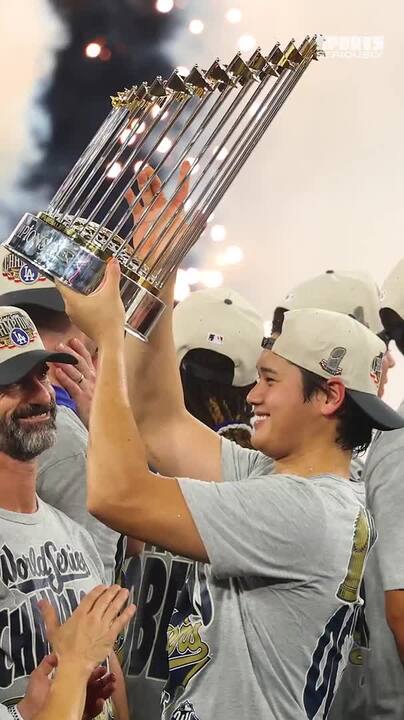
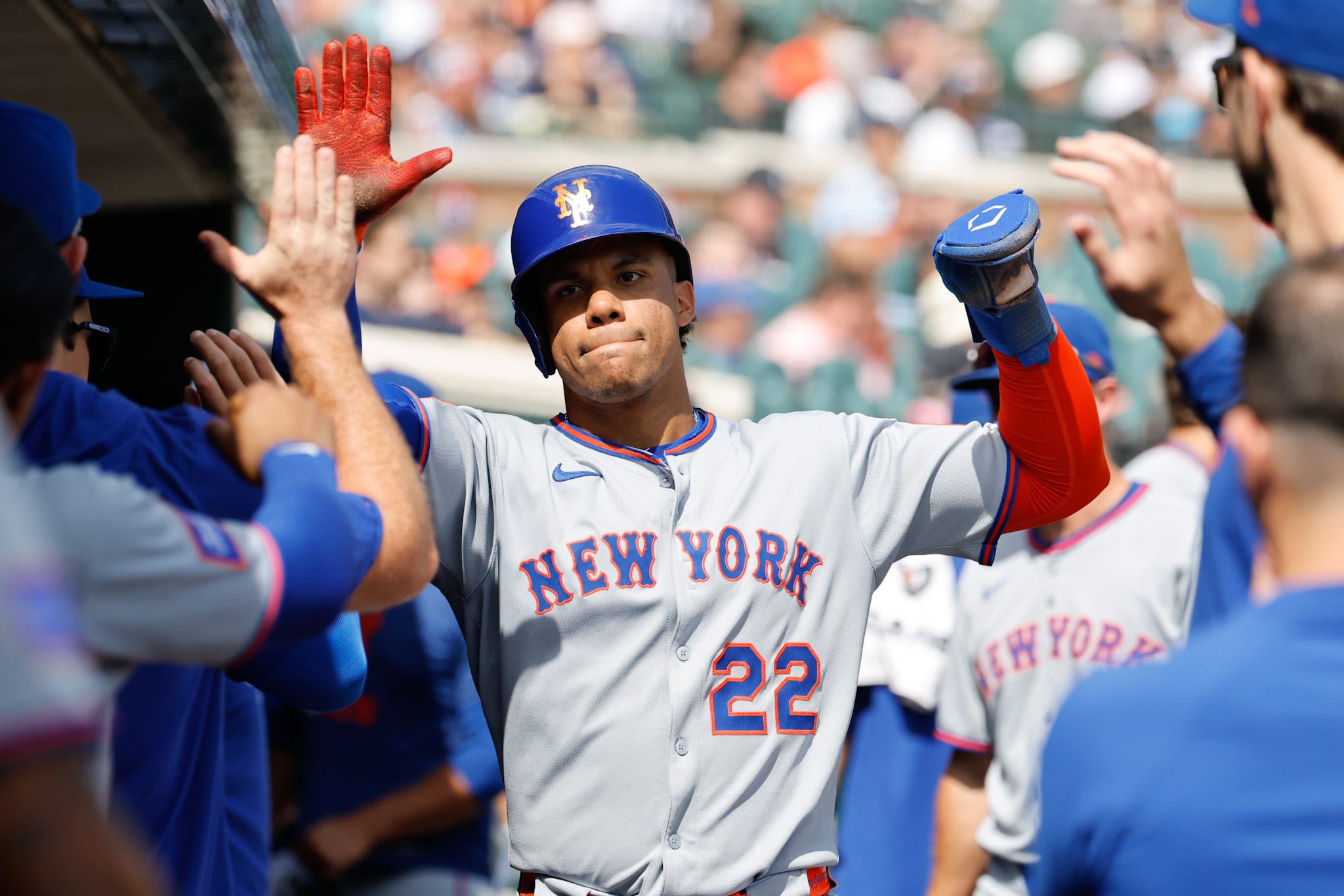
<p style=$765,000,000: Juan Soto, New York Mets (2025-39)

" style="max-width:100%; height:auto; border-radius:6px; margin:10px 0;" loading="lazy" /> <p style=$700,000,000: Shohei Ohtani, Los Angeles Dodgers (2024-33)
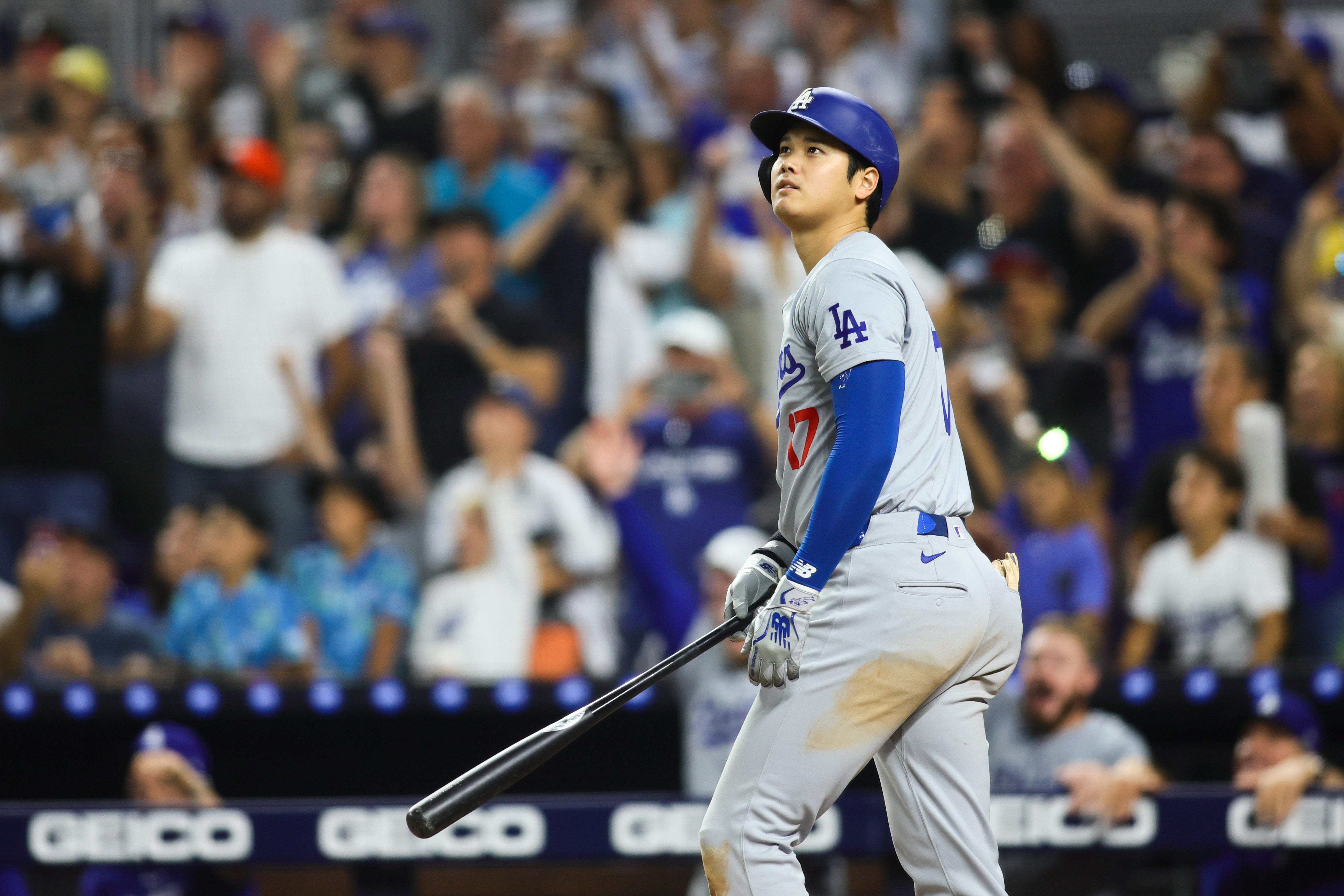
" style="max-width:100%; height:auto; border-radius:6px; margin:10px 0;" loading="lazy" /> <p style=$500,000,000: Vladimir Guerrero, Jr., Toronto Blue Jays (2026-39)
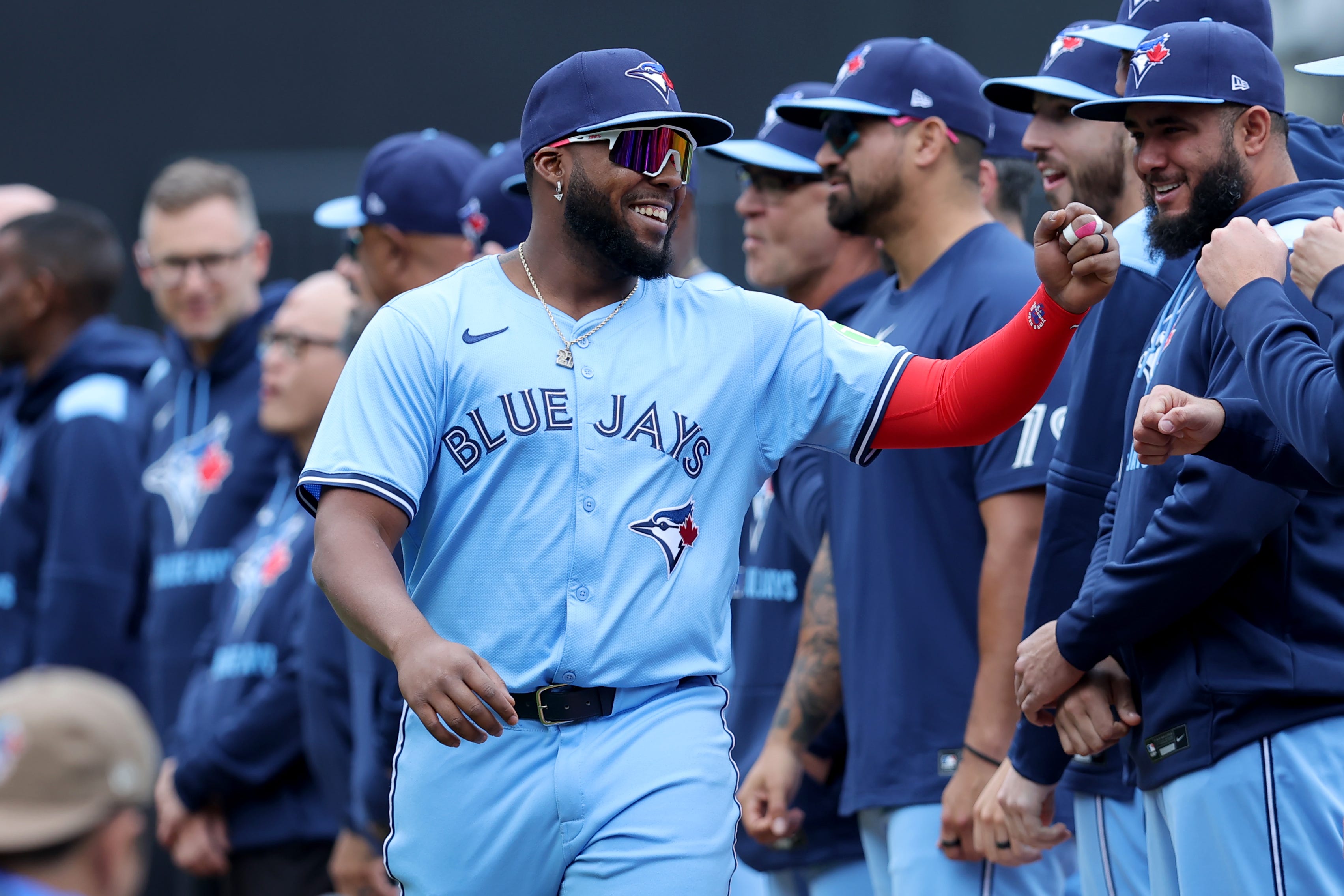
" style="max-width:100%; height:auto; border-radius:6px; margin:10px 0;" loading="lazy" /> <p style=$426.5 million: Mike Trout, Los Angeles Angels (2019-2030)* includes extension

" style="max-width:100%; height:auto; border-radius:6px; margin:10px 0;" loading="lazy" /> <p style=$365 million: Mookie Betts, Los Angeles Dodgers (2020-32)
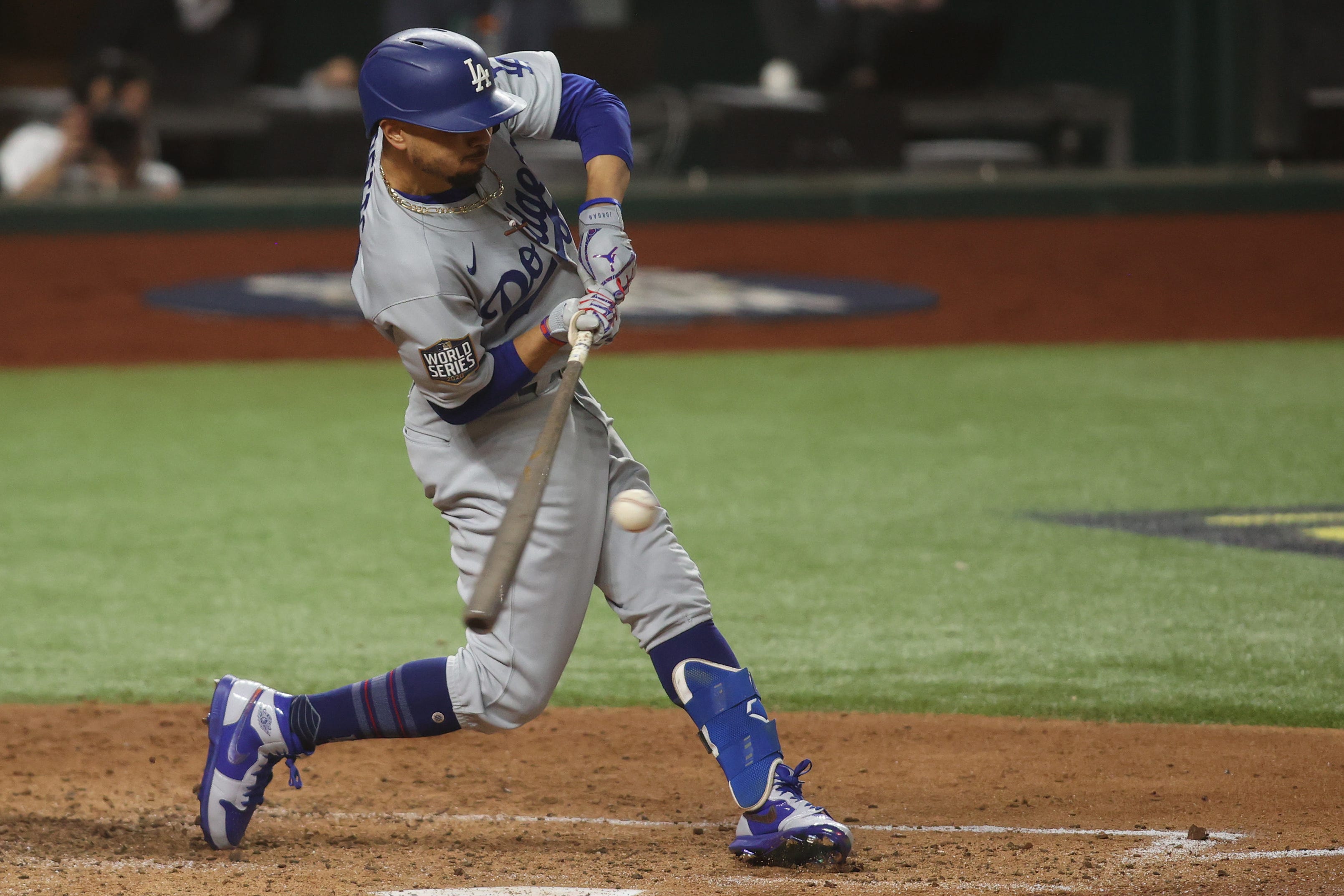
" style="max-width:100%; height:auto; border-radius:6px; margin:10px 0;" loading="lazy" /> <p style=$360 million: Aaron Judge, New York Yankees (2023-2031)
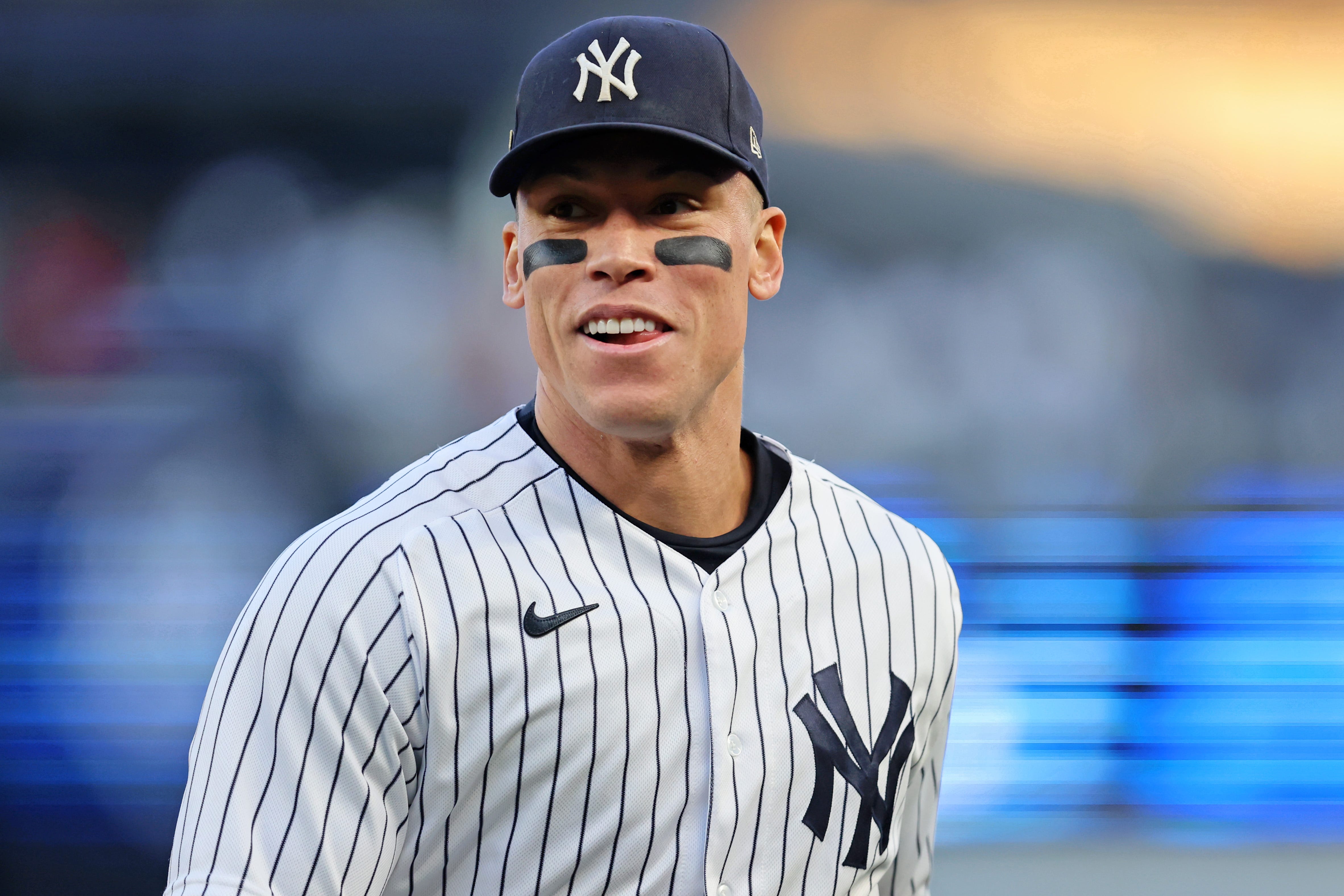
" style="max-width:100%; height:auto; border-radius:6px; margin:10px 0;" loading="lazy" /> <p style=$350 million: Manny Machado, San Diego Padres (2023-33)
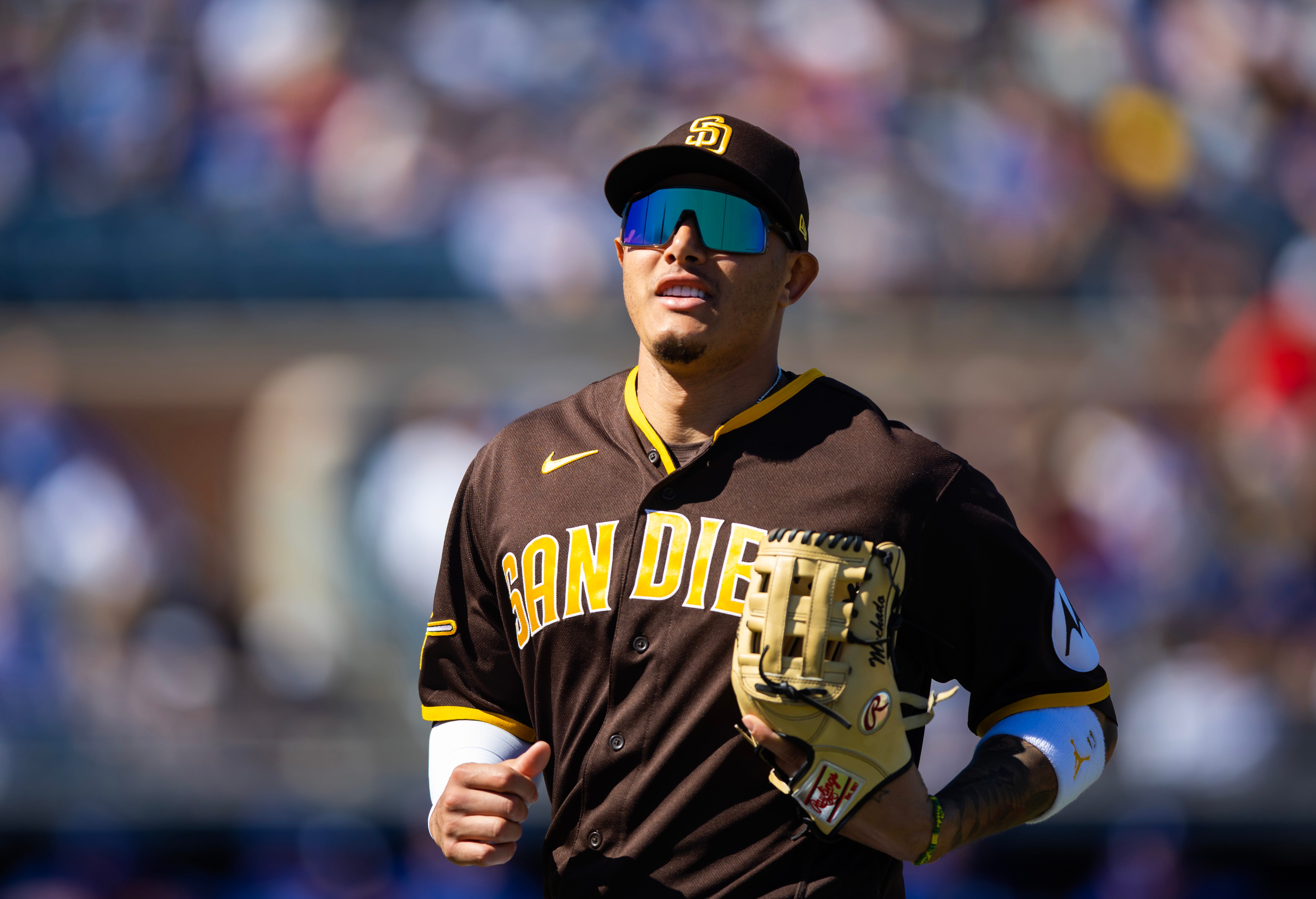
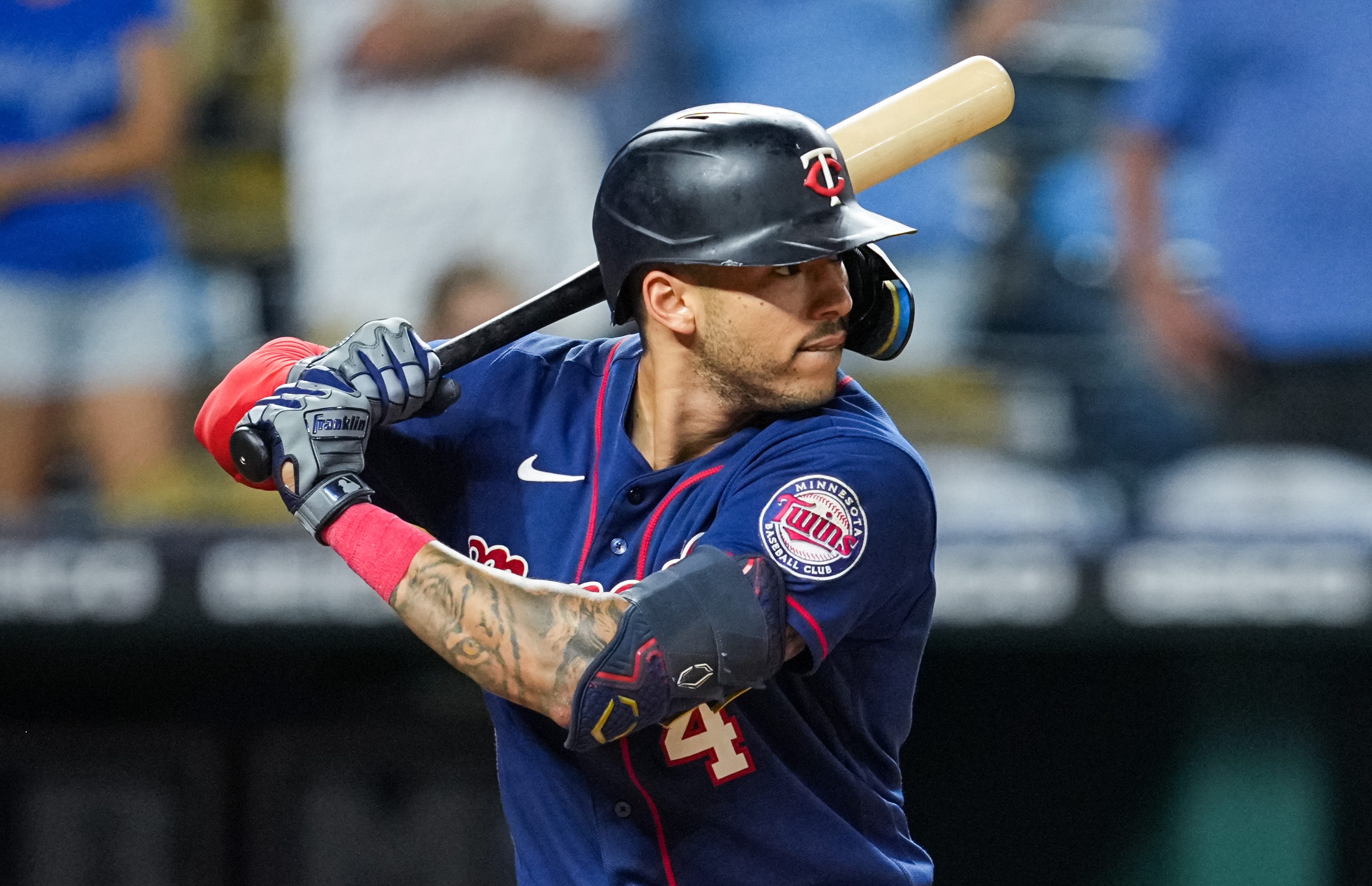
" style="max-width:100%; height:auto; border-radius:6px; margin:10px 0;" loading="lazy" /> <p style=$341 million: Francisco Lindor, New York Mets (2022-31)
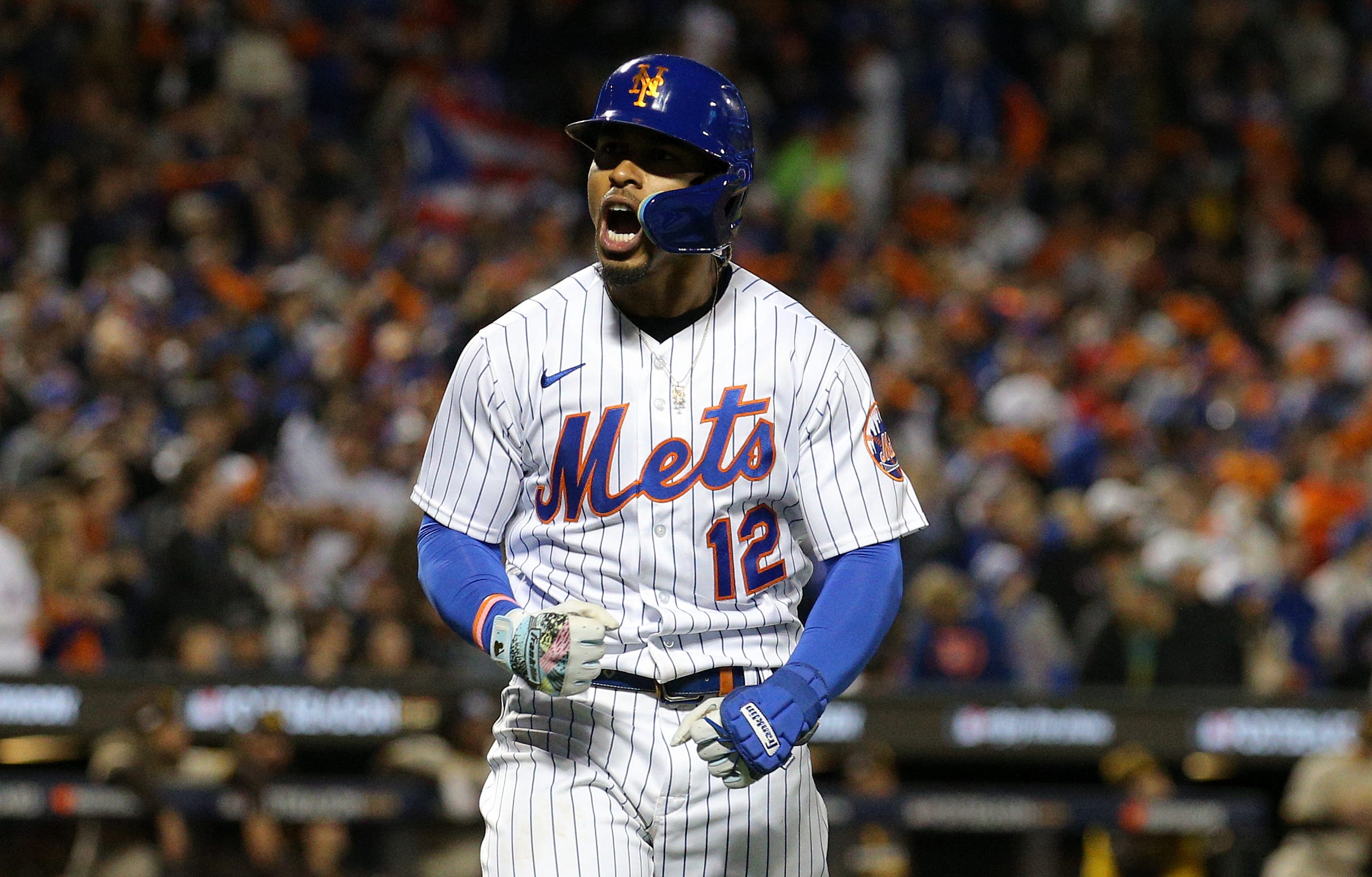
" style="max-width:100%; height:auto; border-radius:6px; margin:10px 0;" loading="lazy" /> <p style=$340 million: Fernando Tatis Jr., San Diego Padres (2021-34)
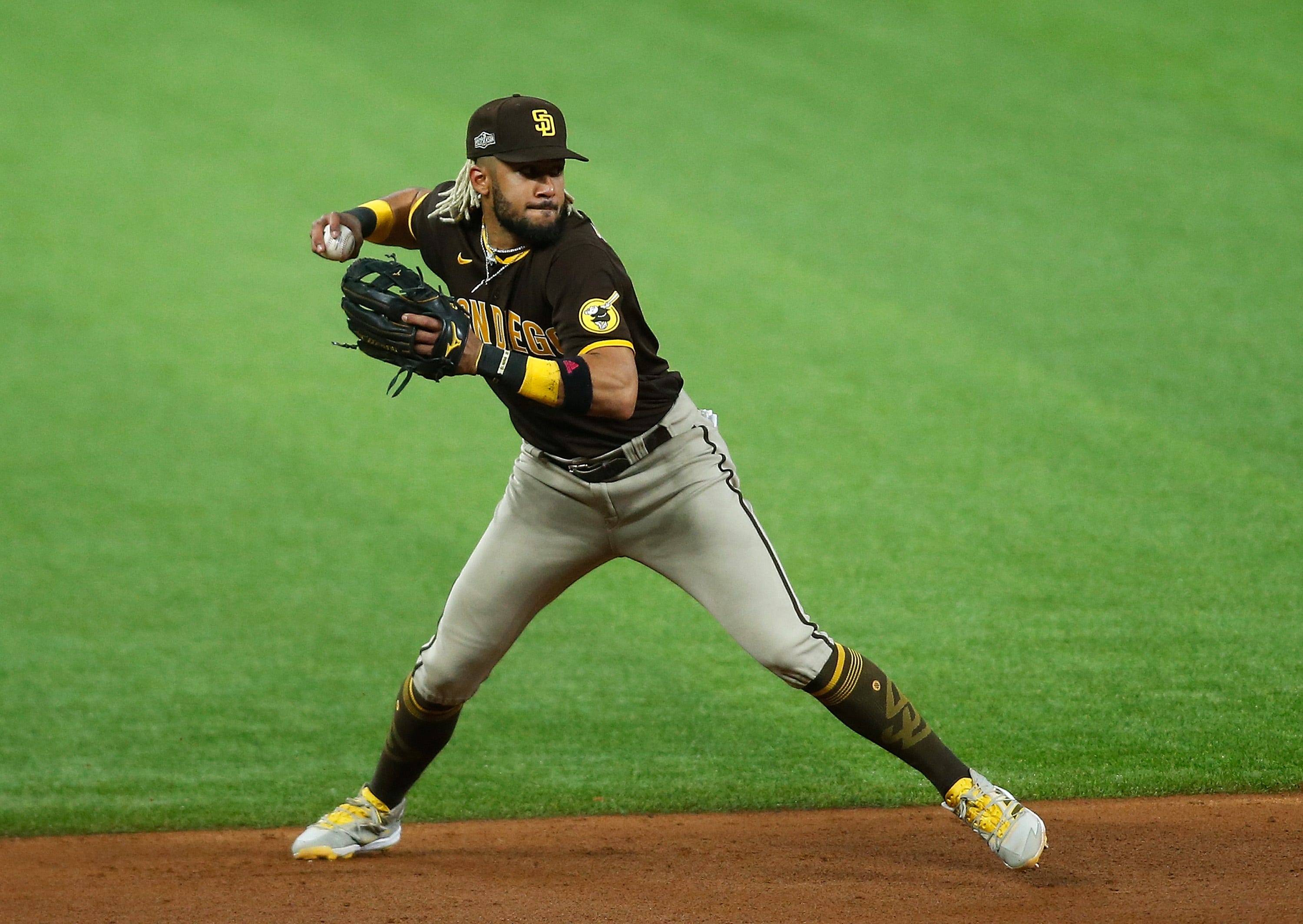
" style="max-width:100%; height:auto; border-radius:6px; margin:10px 0;" loading="lazy" /> <p style=$330,000,000: Bryce Harper, Philadelphia Phillies (2019-31)

" style="max-width:100%; height:auto; border-radius:6px; margin:10px 0;" loading="lazy" /> <p style=$325 million: Giancarlo Stanton, Miami Marlins (2015-2027) – traded to New York Yankees in 2017
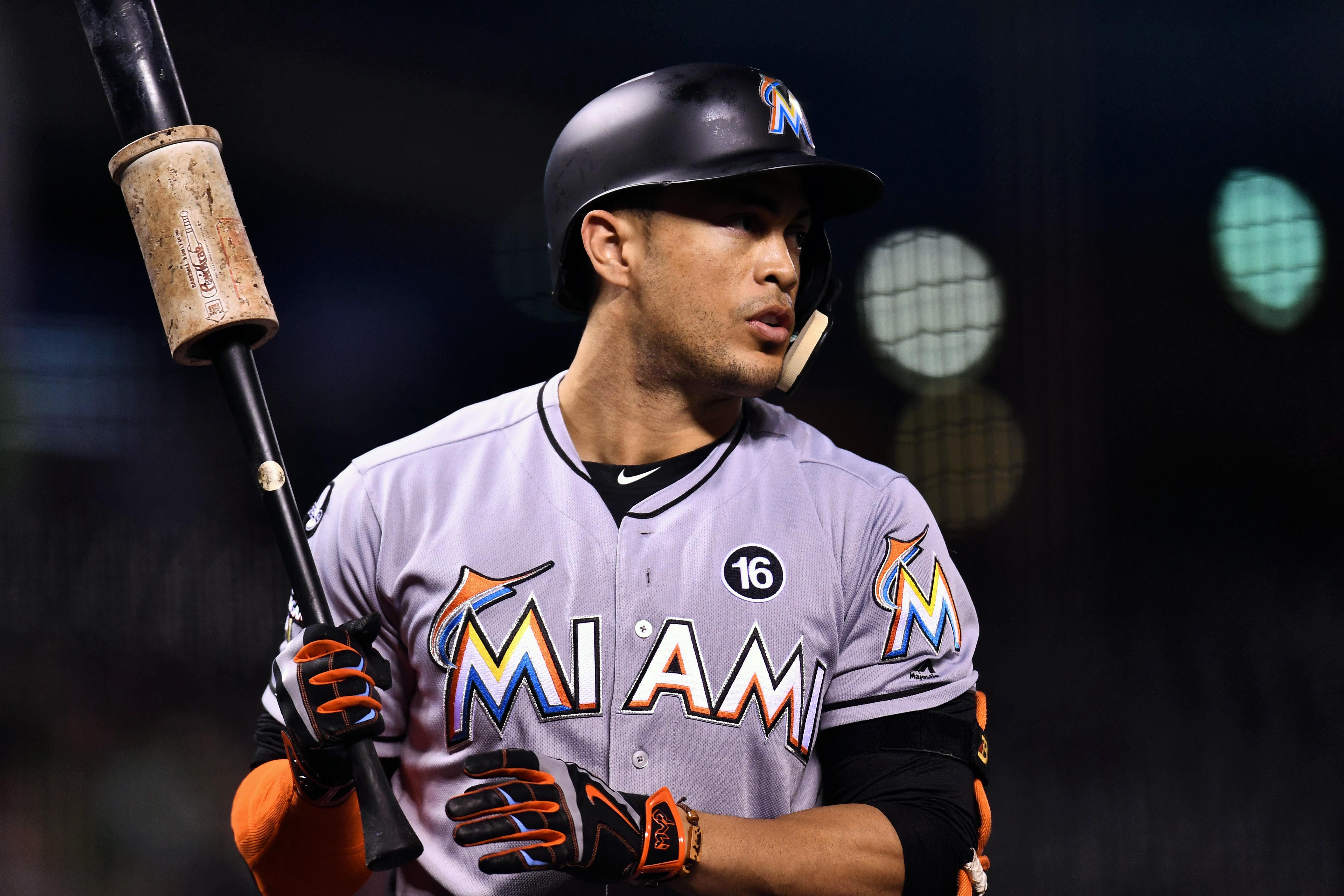
" style="max-width:100%; height:auto; border-radius:6px; margin:10px 0;" loading="lazy" /> <p style=$325 million: Corey Seager, Texas Rangers (2022-31)
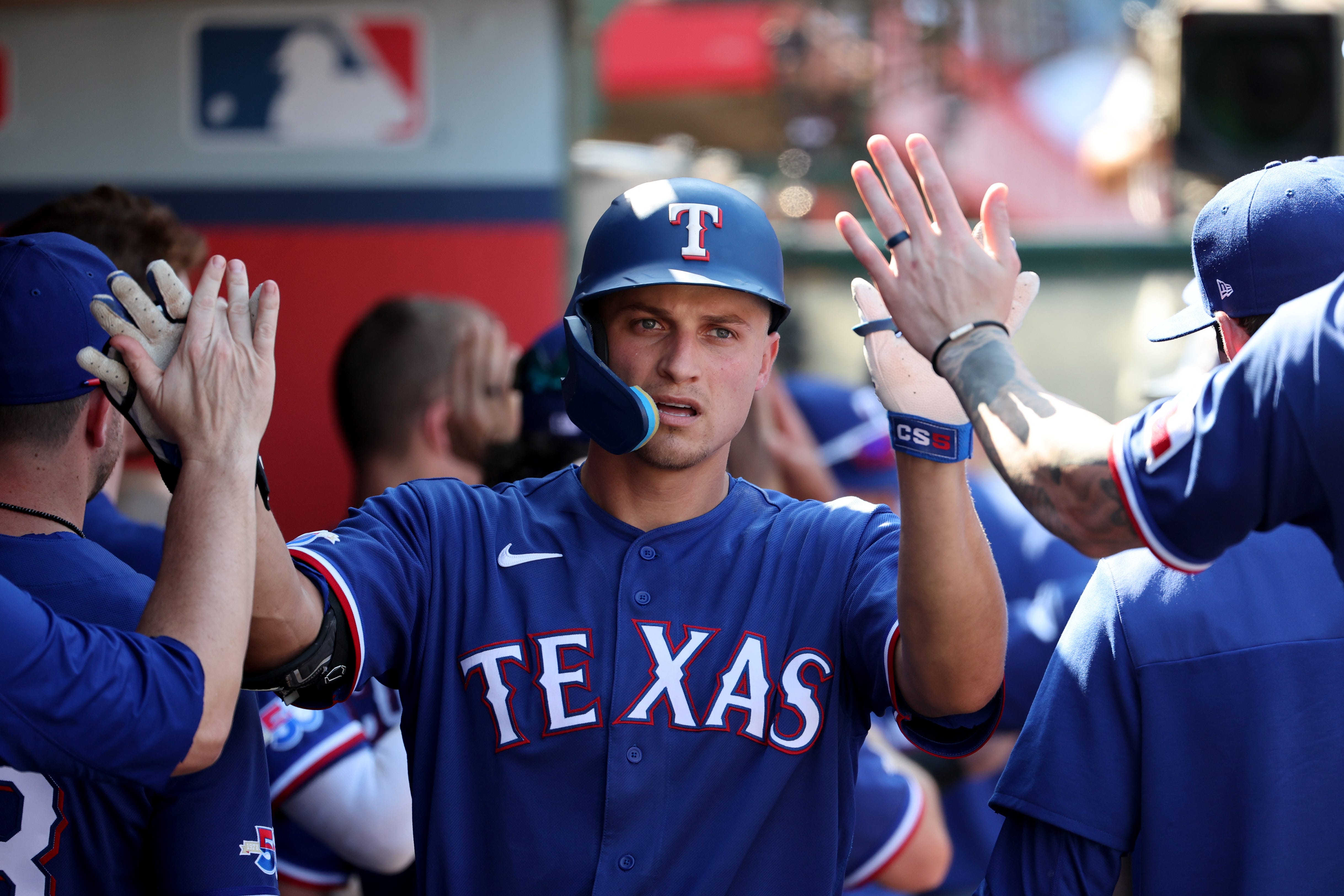
" style="max-width:100%; height:auto; border-radius:6px; margin:10px 0;" loading="lazy" /> <p style=$325,000,000: Yoshinobu Yamamoto, Los Angeles Dodgers (2024-35)

" style="max-width:100%; height:auto; border-radius:6px; margin:10px 0;" loading="lazy" /> <p style=$313.5 million: Rafael Devers, Boston Red Sox (2024-33) - traded to San Francisco Giants in 2025
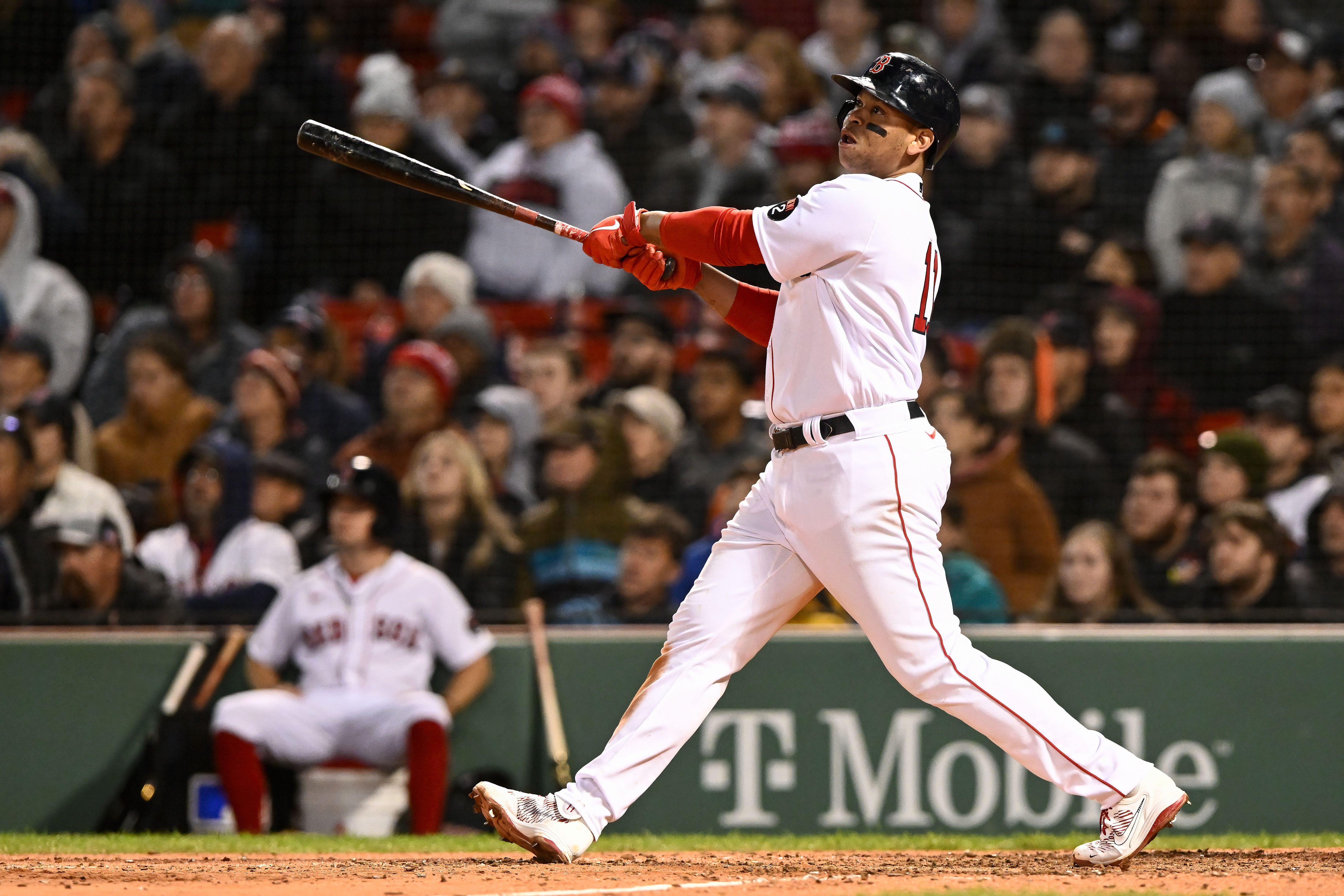
" style="max-width:100%; height:auto; border-radius:6px; margin:10px 0;" loading="lazy" /> <p style=$300 million: Trea Turner, Philadelphia Phillies (2023-33)

" style="max-width:100%; height:auto; border-radius:6px; margin:10px 0;" loading="lazy" /> <p style=$292 million: Miguel Cabrera, Detroit Tigers (2014-2023)* includes extension
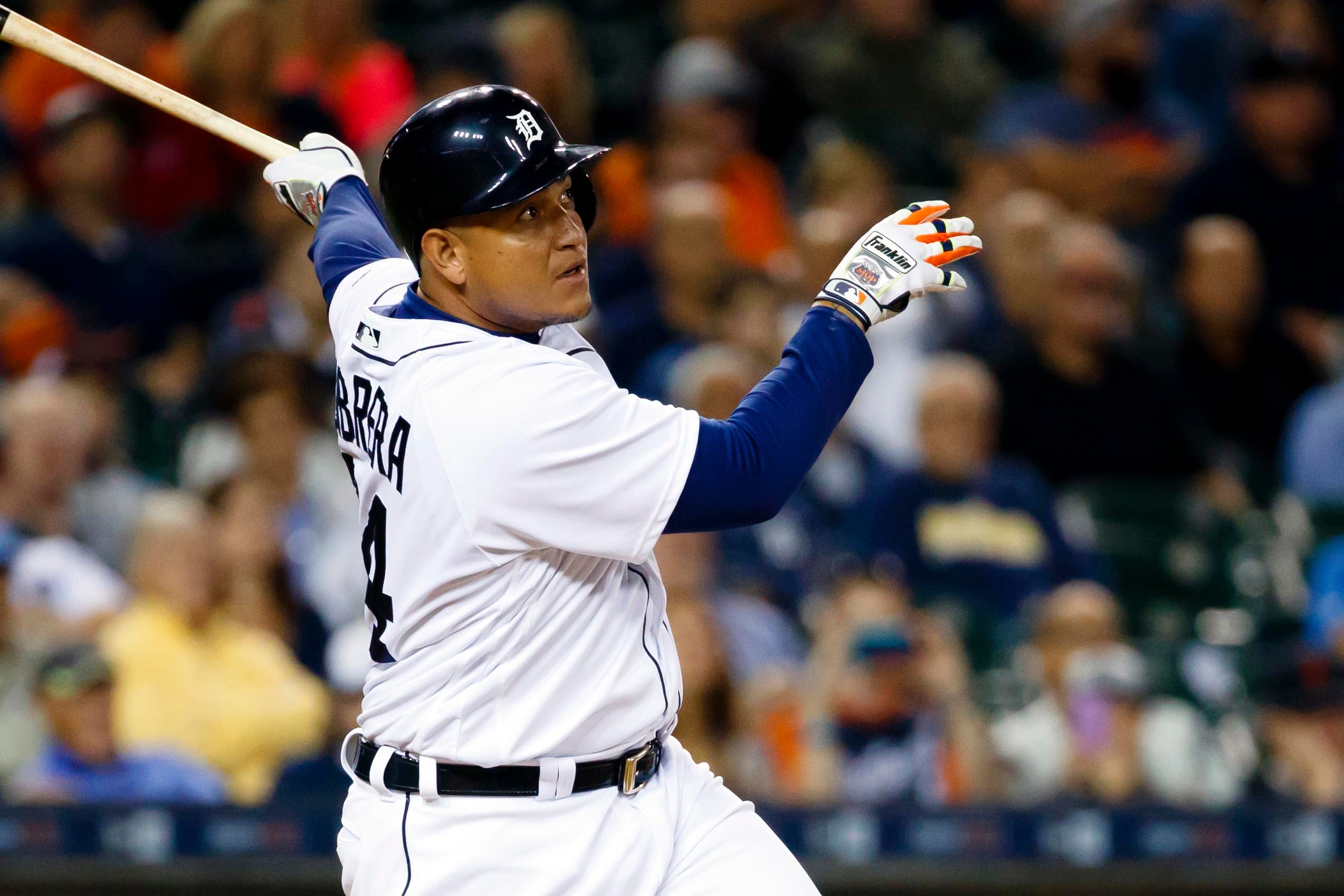
" style="max-width:100%; height:auto; border-radius:6px; margin:10px 0;" loading="lazy" /> <p style=$288,777,777: Bobby Witt Jr., Kansas City Royals (2024-34)

" style="max-width:100%; height:auto; border-radius:6px; margin:10px 0;" loading="lazy" /> <p style=$280 million: Xander Bogaerts, San Diego Padres (2023-33)

" style="max-width:100%; height:auto; border-radius:6px; margin:10px 0;" loading="lazy" /> <p style=$275 million: Alex Rodriguez, New York Yankees (2008-2017)
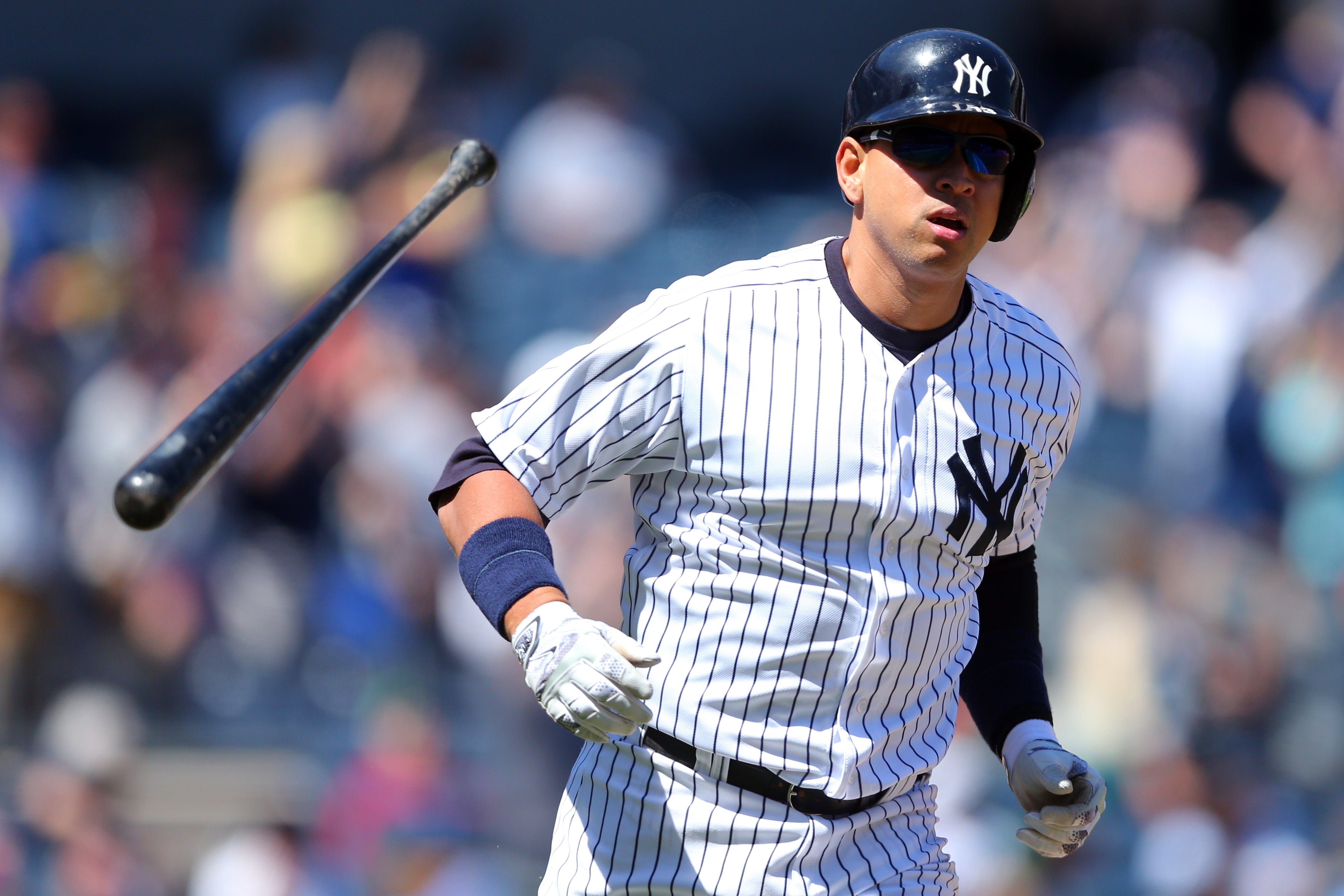
" style="max-width:100%; height:auto; border-radius:6px; margin:10px 0;" loading="lazy" /> <p style=$260 million: Nolan Arenado, Colorado Rockies (2019-26) - traded to St. Louis Cardinals in 2021, traded to Arizona Diamondbacks in 2026

" style="max-width:100%; height:auto; border-radius:6px; margin:10px 0;" loading="lazy" /> <p style=$252,000,000: Alex Rodriguez, Texas Rangers (2001-10)
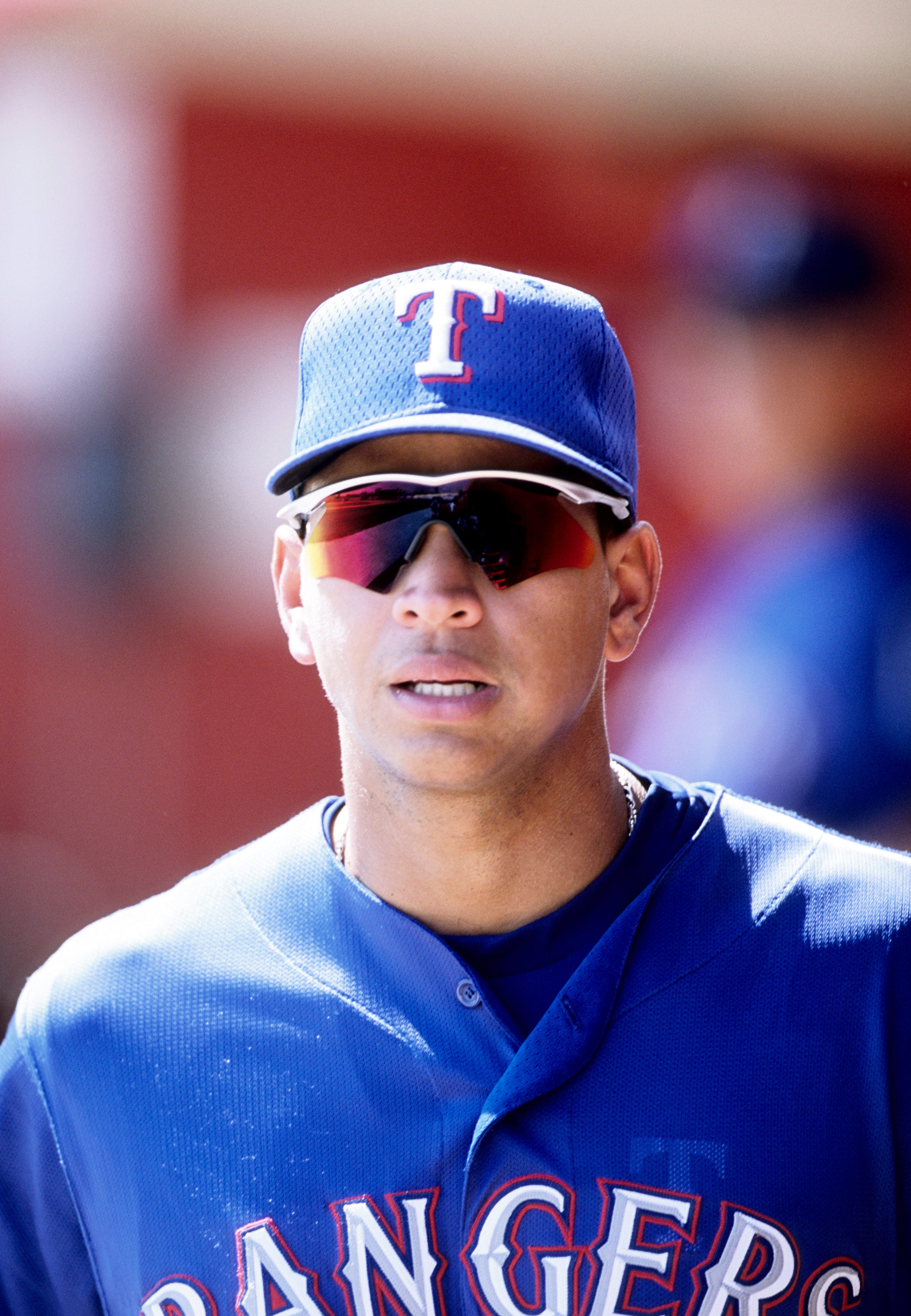
" style="max-width:100%; height:auto; border-radius:6px; margin:10px 0;" loading="lazy" /> <p style=$245 million: Stephen Strasburg, Washington Nationals (2020-26)
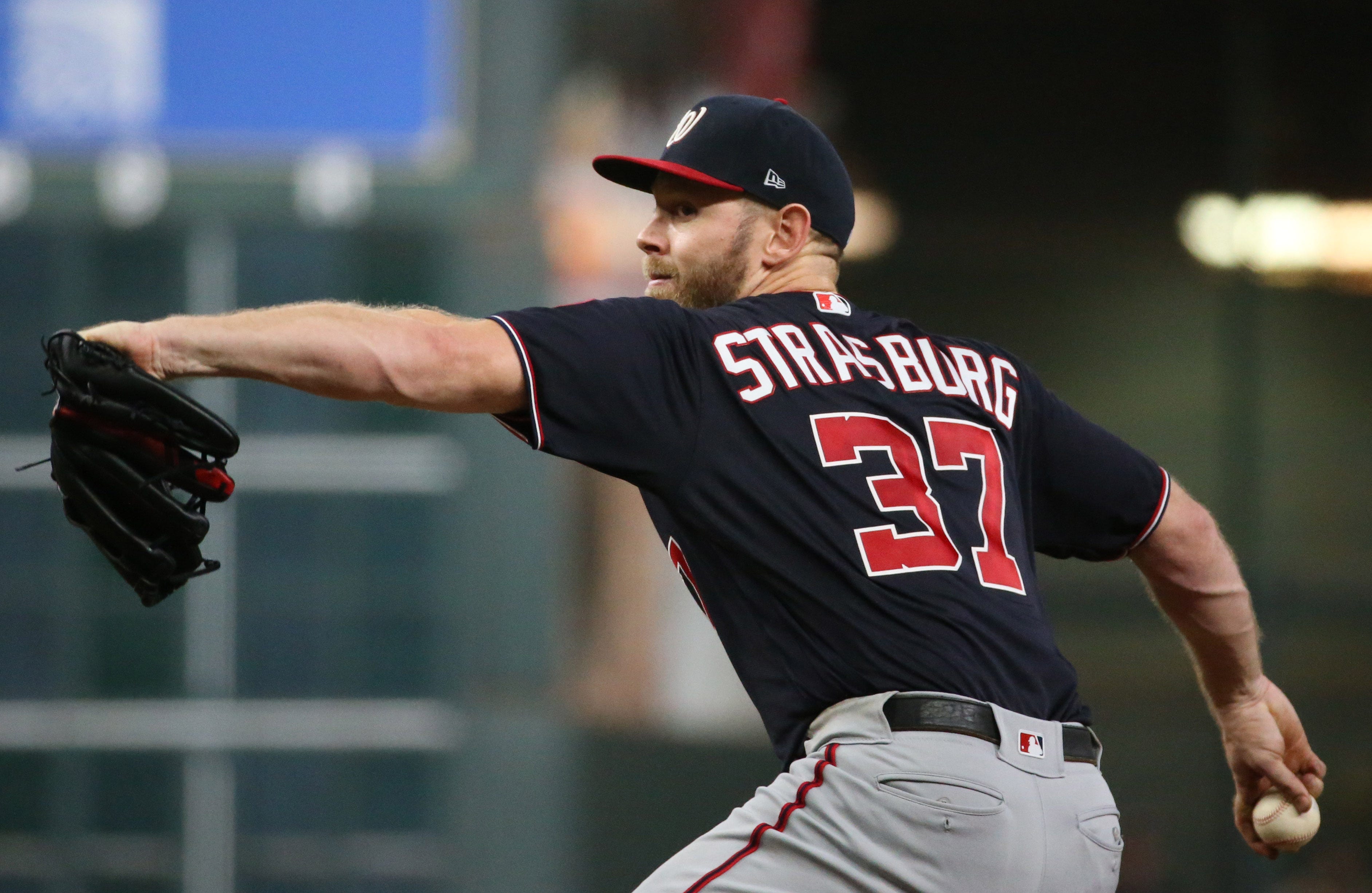
" style="max-width:100%; height:auto; border-radius:6px; margin:10px 0;" loading="lazy" /> <p style=$245 million: Anthony Rendon, Los Angeles Angels (2020-26)
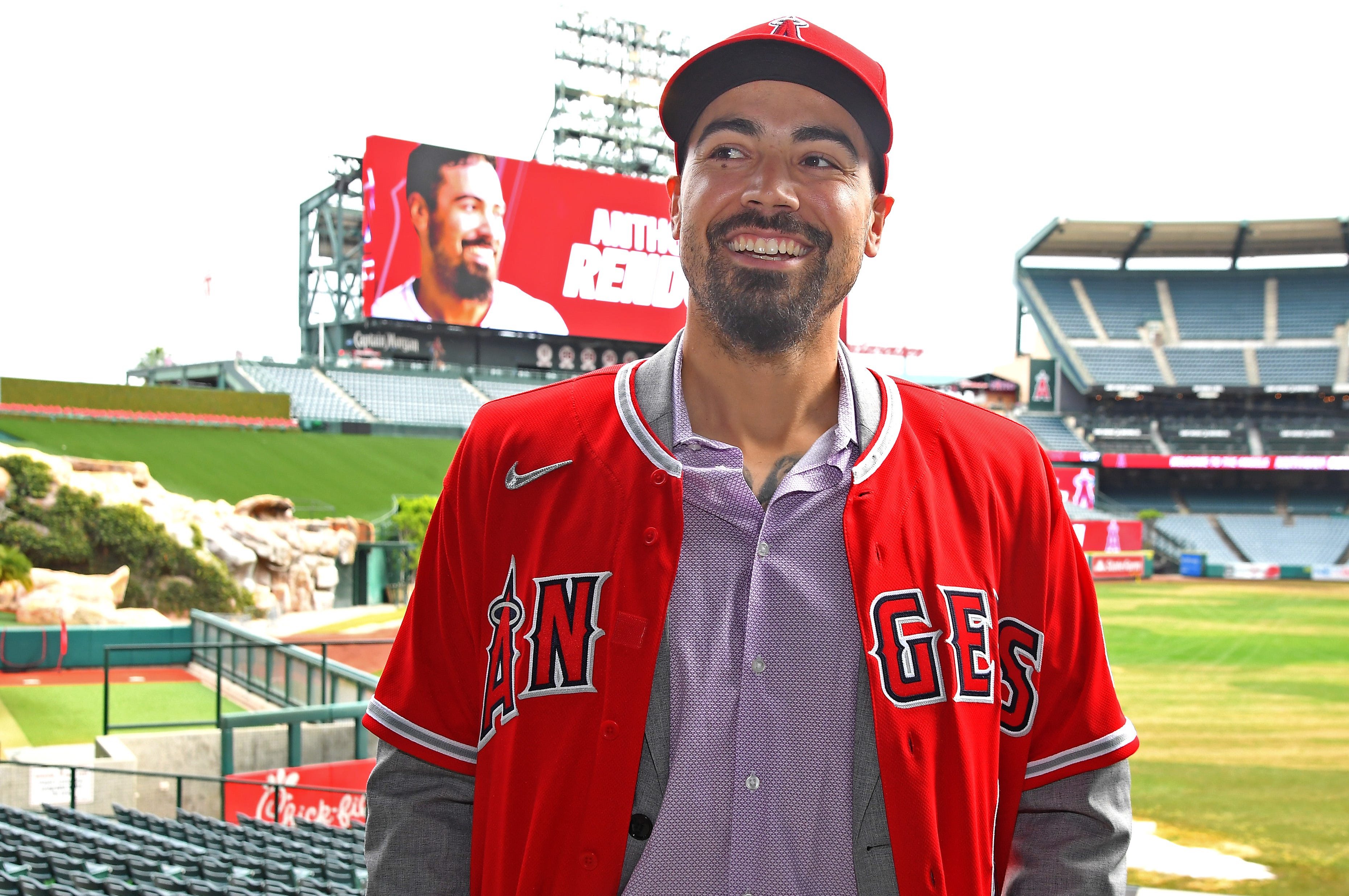
" style="max-width:100%; height:auto; border-radius:6px; margin:10px 0;" loading="lazy" /> <p style=$240,000,000: Kyle Tucker, Los Angeles Dodgers (2026-29)

" style="max-width:100%; height:auto; border-radius:6px; margin:10px 0;" loading="lazy" /> <p style=$240 million: Albert Pujols, Los Angeles Angels (2012-2021)

" style="max-width:100%; height:auto; border-radius:6px; margin:10px 0;" loading="lazy" /> <p style=$240 million: Robinson Cano, Seattle Mariners (2014-2023) – traded to New York Mets in 2019

" style="max-width:100%; height:auto; border-radius:6px; margin:10px 0;" loading="lazy" /> <p style=$225 million: Joey Votto, Cincinnati Reds (2012-2021)
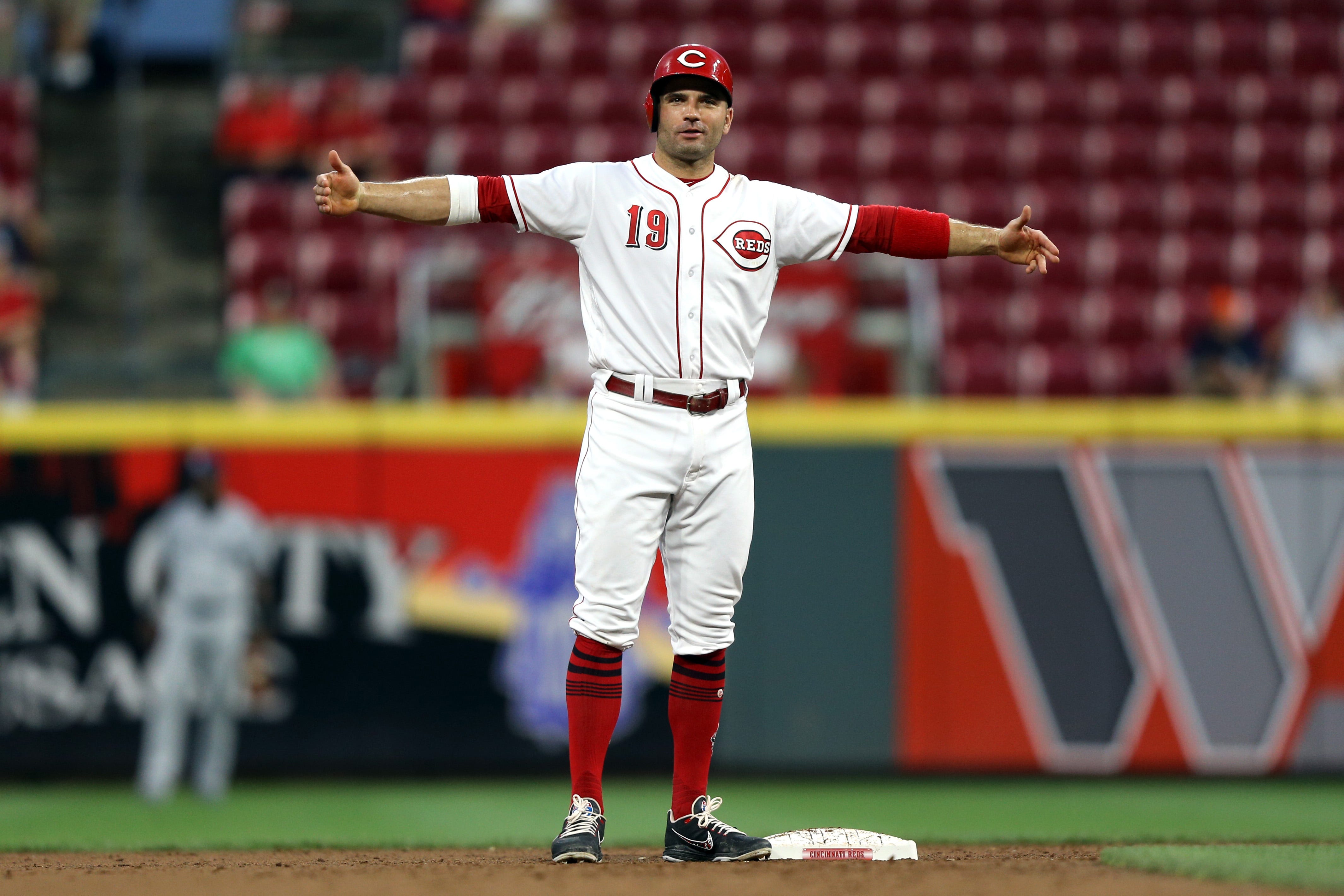
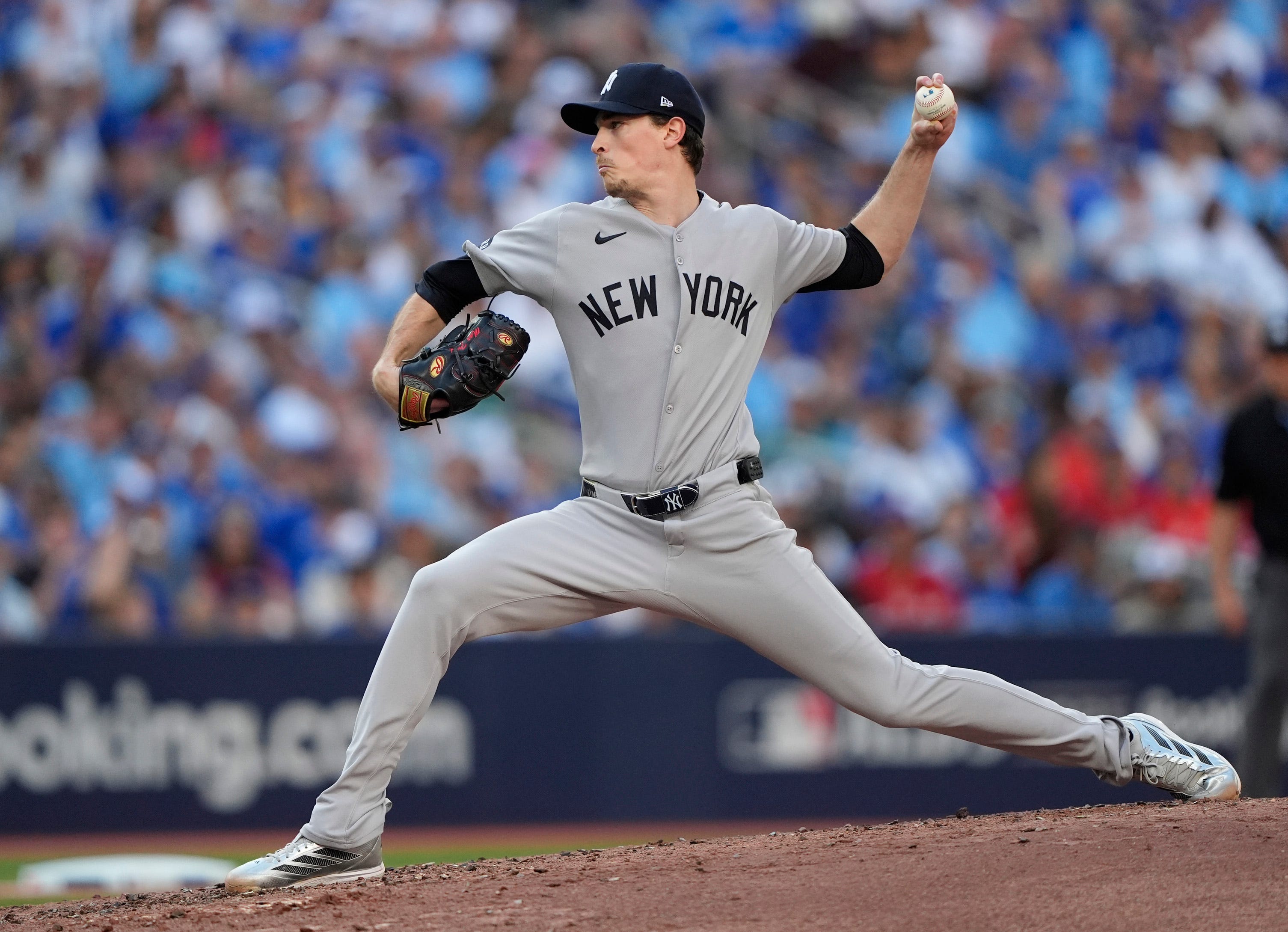
" style="max-width:100%; height:auto; border-radius:6px; margin:10px 0;" loading="lazy" /> $218,000,000: Max Fried, New York Yankees (2025-32) <p style=$217 million: David Price, Boston Red Sox (2016-2022) – traded to Los Angeles Dodgers in 2020
" style="max-width:100%; height:auto; border-radius:6px; margin:10px 0;" loading="lazy" /> <p style=$215 million: Clayton Kershaw, Los Angeles Dodgers (2014-2020)
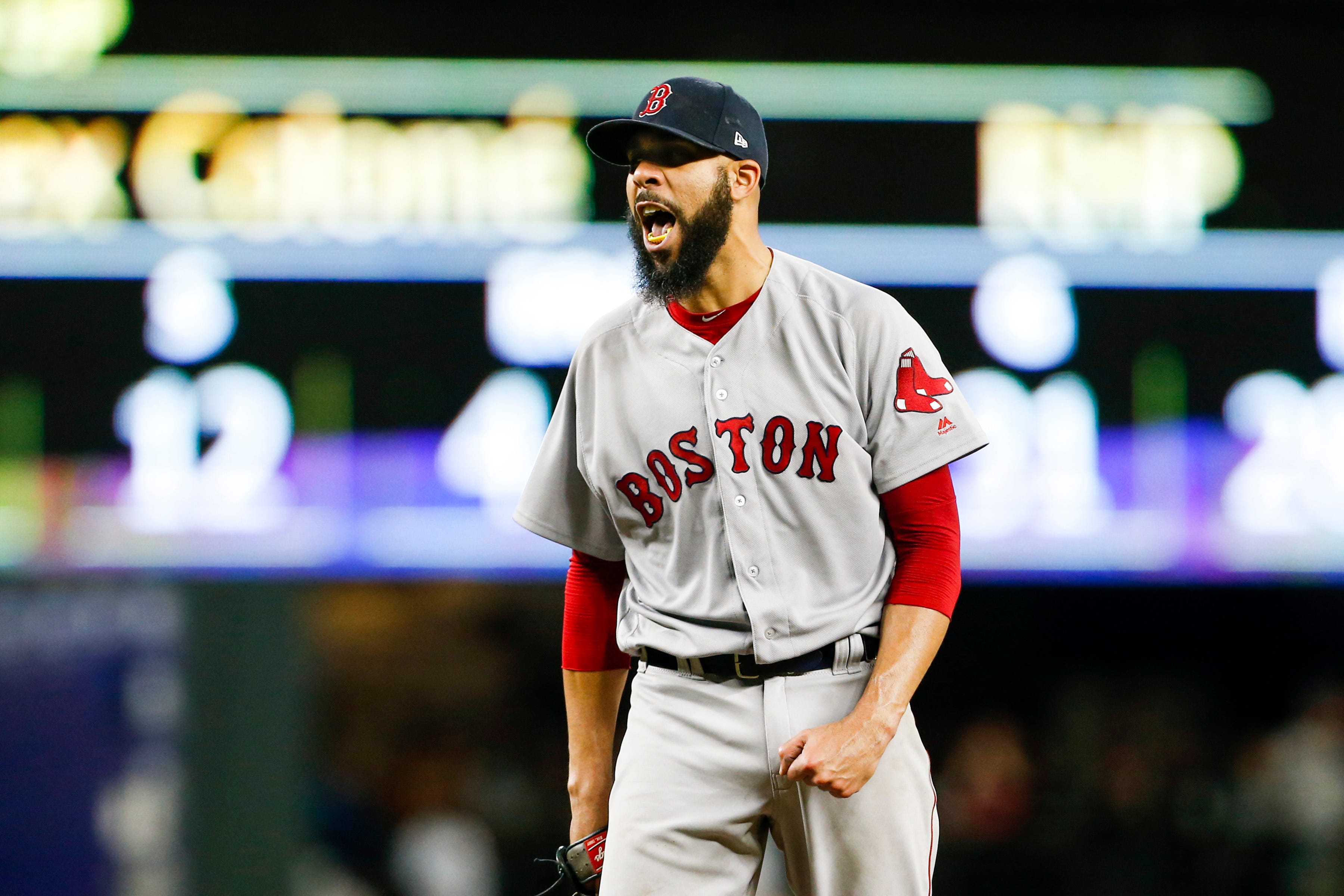
" style="max-width:100%; height:auto; border-radius:6px; margin:10px 0;" loading="lazy" /> <p style=$215 million: Christian Yelich, Milwaukee Brewers (2020-28)

" style="max-width:100%; height:auto; border-radius:6px; margin:10px 0;" loading="lazy" /> <p style=$214 million: Prince Fielder, Detroit Tigers (2012-2020) – traded to Texas Rangers in 2013
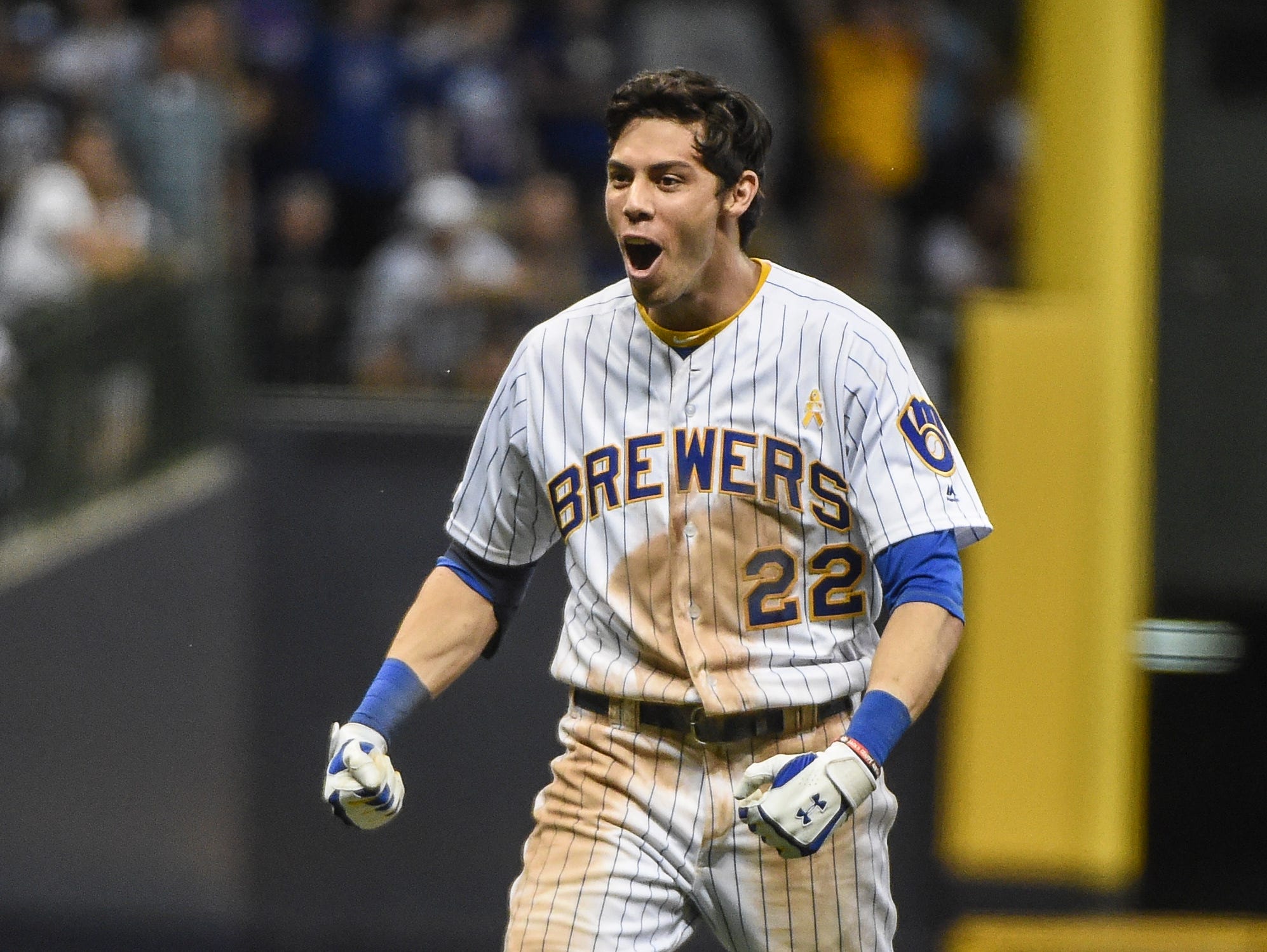
" style="max-width:100%; height:auto; border-radius:6px; margin:10px 0;" loading="lazy" /> <p style=$212 million: Austin Riley, Atlanta Braves (2023-32)

" style="max-width:100%; height:auto; border-radius:6px; margin:10px 0;" loading="lazy" /> <p style=$210 million: Corbin Burnes, Arizona Diamondbacks (2025-30)

" style="max-width:100%; height:auto; border-radius:6px; margin:10px 0;" loading="lazy" /> <p style=$210 million: Max Scherzer, Washington Nationals (2015-2021)
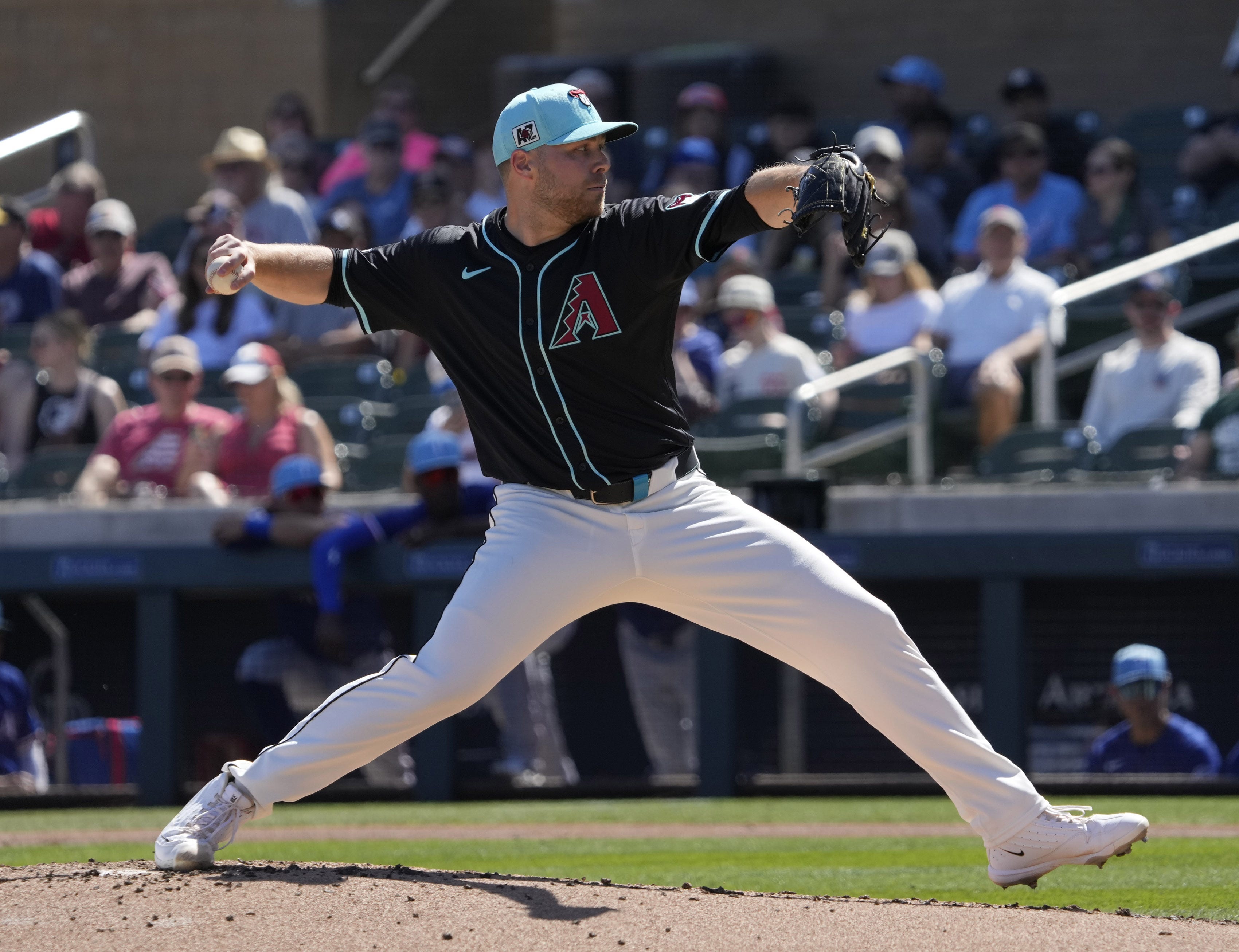
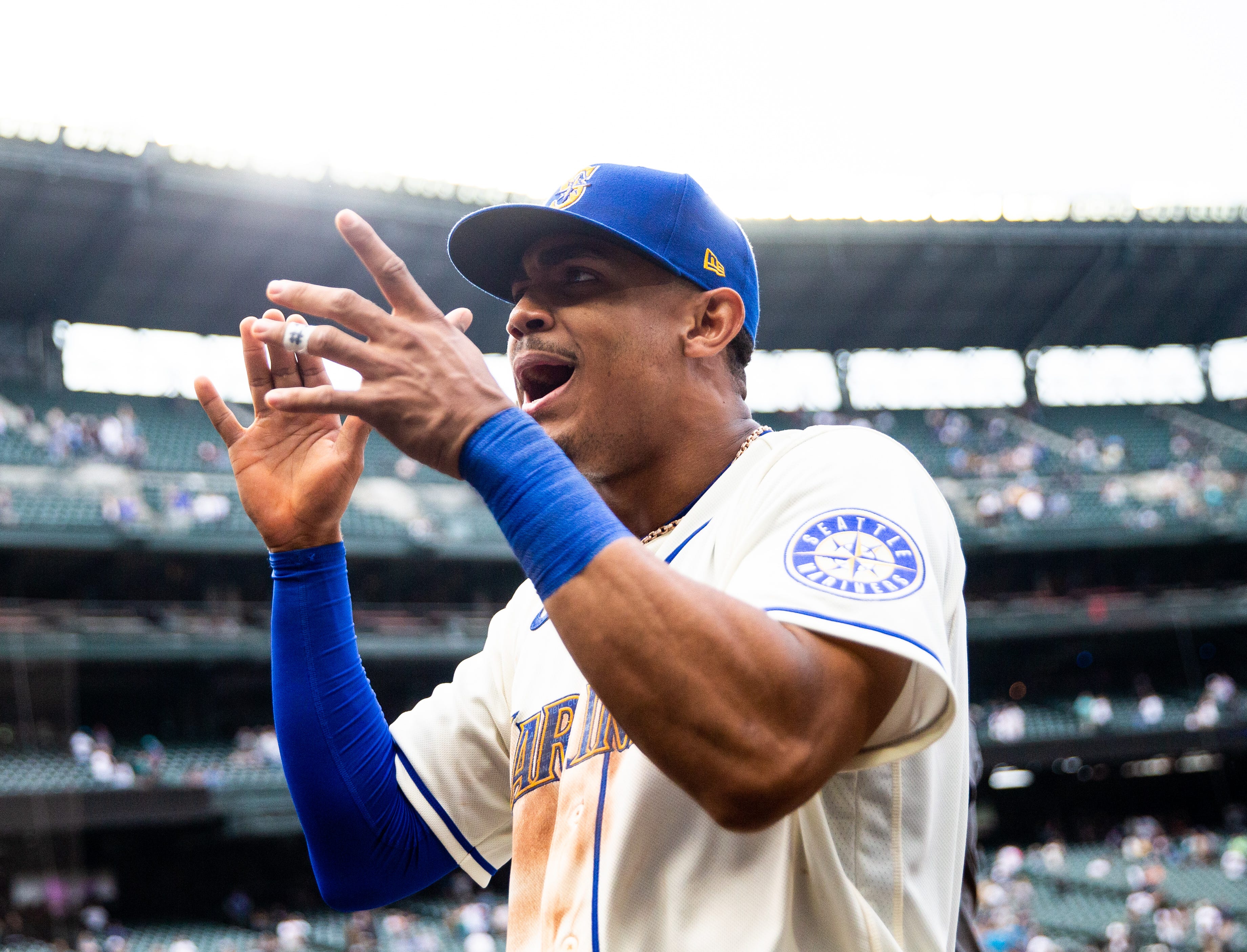
" style="max-width:100%; height:auto; border-radius:6px; margin:10px 0;" loading="lazy" /> <p style=$209.3 million: Julio Rodriguez, Seattle Mariners (2023-34)
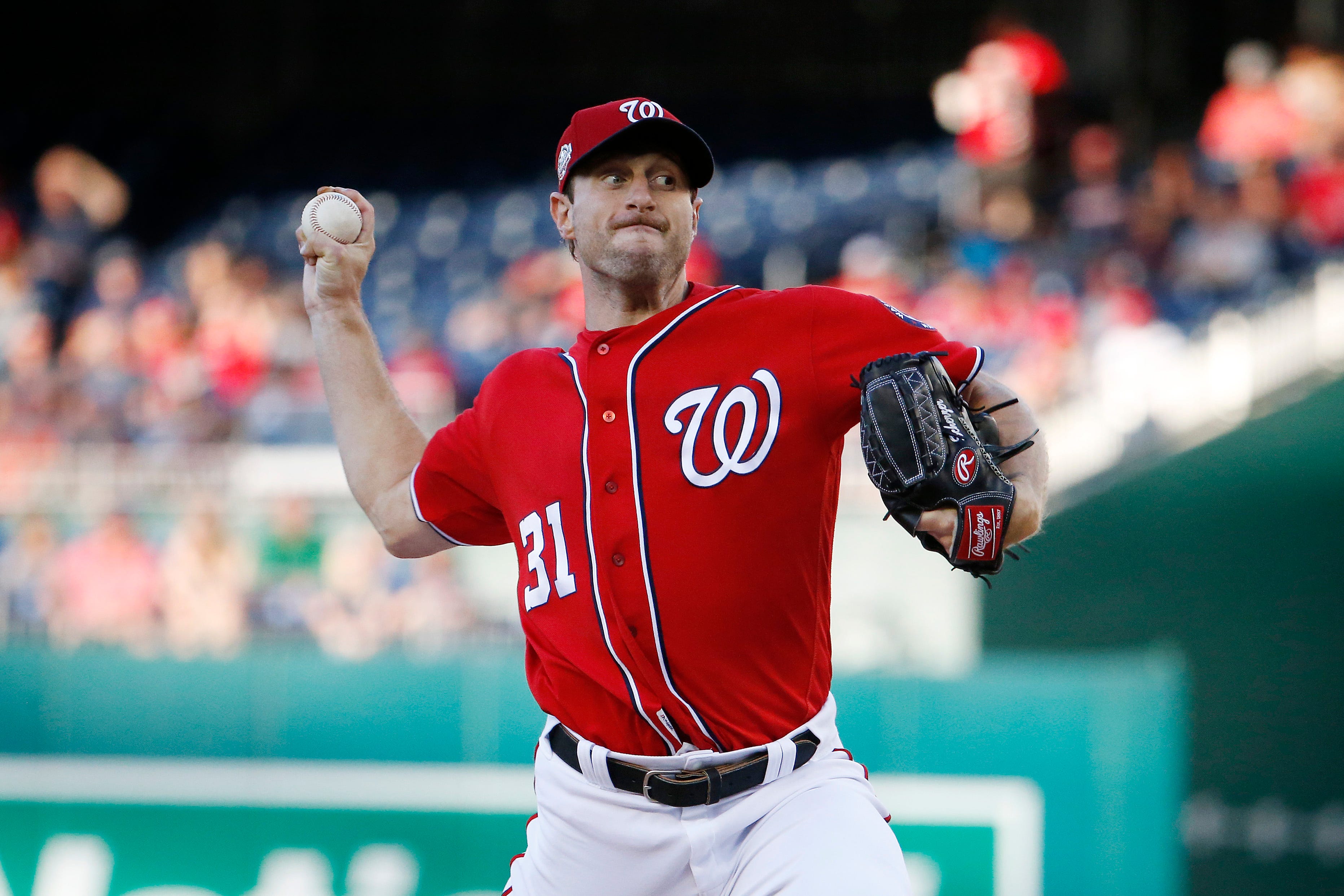
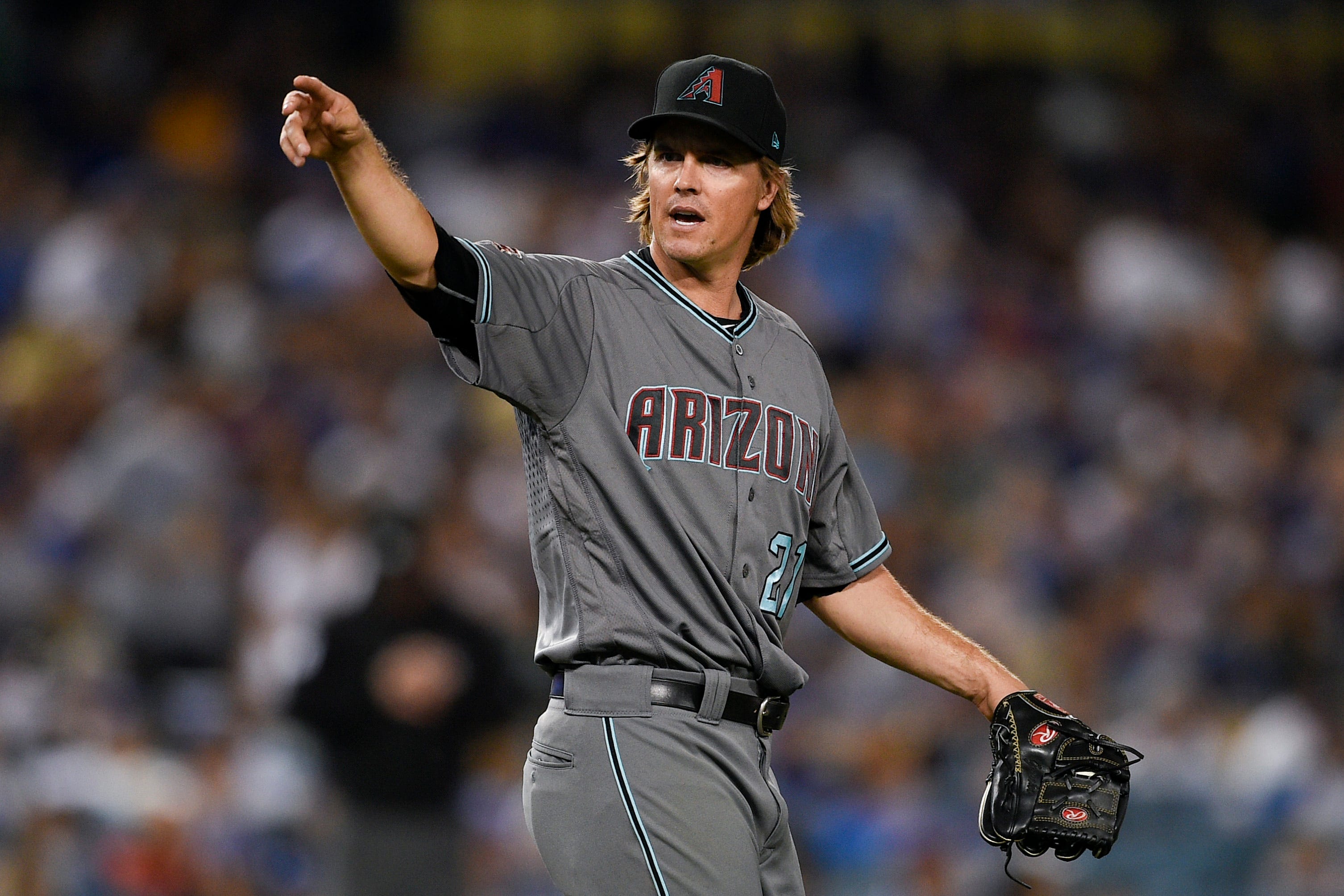
" style="max-width:100%; height:auto; border-radius:6px; margin:10px 0;" loading="lazy" /> <p style=$206.5 million: Zack Greinke, Arizona Diamondbacks (2016-2021) – traded to Houston Astros in 2019
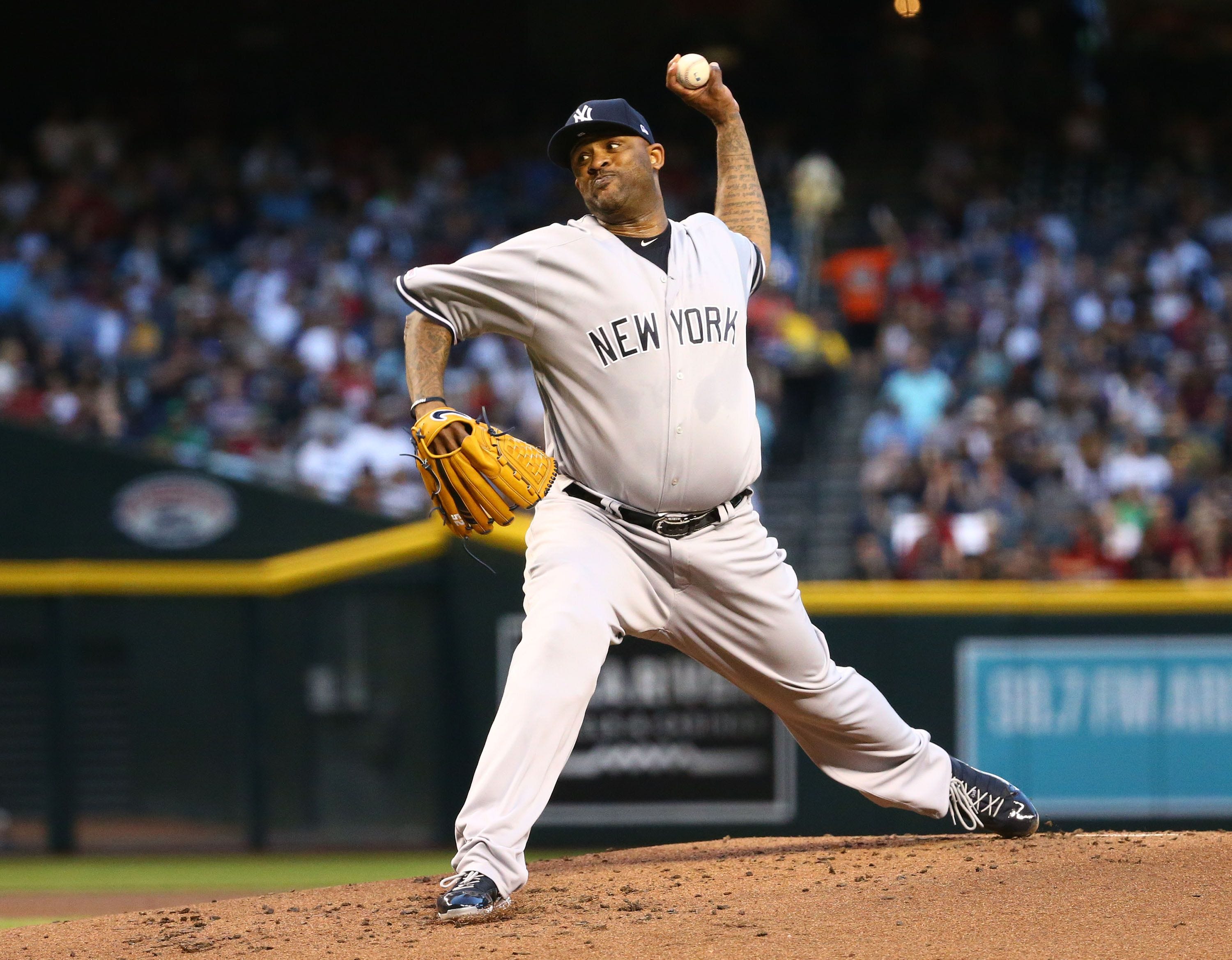
" style="max-width:100%; height:auto; border-radius:6px; margin:10px 0;" loading="lazy" /> $202,000,000: CC Sabathia, New York Yankees (2009-17) <p style=$200 million: Carlos Correa, Minnesota Twins (2023-28) - traded to Houston Astros in 2025
" style="max-width:100%; height:auto; border-radius:6px; margin:10px 0;" loading="lazy" />
MLB's $200+ million contracts

$765,000,000: Juan Soto, New York Mets (2025-39)

The inability to secure insurance kept three-time Cy Young winner Clayton Kershaw from participating in the WBC in 2023 because of his back issues. Now that he's retired, there's no need for insurance and he'll be on this year's USA team.

MLB requires all players on their 40-man roster to have an insurance policy that protects the team if a player sustains and injury during the WBC that requires them to miss games during the regular season. Most of the insurance issues are over a player's prior injury history.

Players like Edwin Diaz and Altuve who were injured in the 2023 WBC were covered by insurance policies, and were still paid, but not by the team.

Diaz missed the entire 2023 season when he suffered a complete patellar tendon tear in his right knee celebrating Puerto Rico's win over the Dominican Republic. Altuve suffered a broken right thumb when he was hit by a pitch from Team USA pitcher Daniel Bard. He missed the first 43 games of the 2023 season.

There have been no publicly known cases of any player this year who were prevented from joining Team USA because of an inability to acquire insurance.

Yet, perhaps no one in the tournament is taking a bigger financial risk than two-time Cy Young winner Tarik Skubal of the Detroit Tigers. He's a free agent after the season and is expected to secure the largest contract by a pitcher in MLB history, perhaps exceeding $400 million.

This article originally appeared on USA TODAY:World Baseball Classic 2026 insurance won't let Francisco Lindor play

Puerto Rico considers pulling out of WBC after insurance keeps stars off team

The World Baseball Classic will be without several of its top stars because they have been unable to acquire insurance co...


PYN MAG © 2015 | Distributed By My Blogger Themes | Designed By Templateism.com