
It's hard to imagine nowadays, with acrimony baked into collective bargaining negotiations and the commissioner forecasting a lockout months in advance, but there was once a time whenMajor League Baseballand the MLB Players' Association achieved labor peace with little incident.
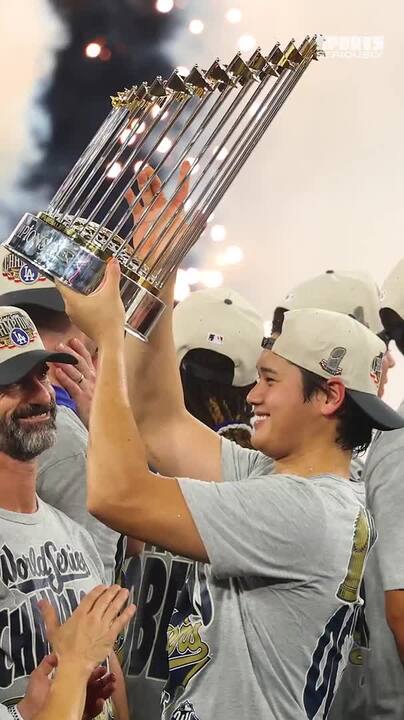
In 2006, 2011 and 2016, with Donald Fehr, the late Michael Weiner and Tony Clark on the union's side, and Rob Manfred largely on the 1s and 2s for management, CBAs got done on time and with relative equity, with ownership even coaxing a few wins out of the 2016 deal.
In the decade since, plenty has changed, even as the material conditions of baseball's economics – major sources of revenue, large markets and mega markets, ownership groups ranging from all in to checked out - remains the same.
Yet the current agita regarding boundless spending and fiscal inequity and the need for a salary cap to rein in the clubs that are making life unfair can be traced in no small part to one development from the mid-aughts to now.
Back then, Frank McCourt and Fred Wilpon owned theLos Angeles DodgersandNew York Mets, respectively. And now they are owned by Mark Walter and Steve Cohen, so rich and mighty that they alone can topple baseball's economic model.

Make no mistake: This is a weird time in the game, its popularity booming based off TV ratings and global reach, yet its near-term future clouded by broadcast uncertainties both local and national. Still, the past winter's free agent activity suggests that many franchises remain in very good health, based on thediversityoffranchisesengagingaggressivelyin a market lukewarm in talent.
So why, then, would the signing of Kyle Tucker, of all people, be the contract that broke baseball's decades of relative labor peace?
Oh, Tucker's four-year pact with the Dodgers guaranteeing him $60 million per season for up to four years won't necessarily be the precipitating event forcing ownership to take a hardline on labor negotiations after this season. Heck, Manfred, now commissioner, has been telegraphing a nuclear salary cap ask for many months, even trying to sell players on it in buddy-buddy clubhouse sessions that in one caseturned acrimonious.
It is funny, though, that the first"sky is falling"smoke signal came after the two-time champion Dodgers added Tucker, a very good ballplayer who has never missed the playoffs but nonetheless lacks main character energy.
No, things were much more peaceful when McCourt owned the Dodgers and used them like a piggy bank until he was forced to sell the franchise in shame – and pocket $2 billion.
There was little rancor when the Wilpon-owned Mets found new frontiers of dysfunction, reaching its depths when much of their family wealth vanished in the Bernie Madoff Ponzi scheme.
You'd think it wasn't great for the game when franchises in the game's two biggest markets operated in dire straits. But hey, at least they weren't trying too hard to win.
The 2026 Dodgers are drifting toward a $600 million outlay for payroll, including luxury tax penalties, according to Spotrac. The Mets will top half a billion dollars, as they're now three-time offenders of the so-called "Cohen Tax," named for the fanboy turned hedge fund kingpin turned owner, who is aiming to replicate the Dodgers' marriage of spending and smarts and getting a little closer each year.
Unfair? Sure. At the same time, the Dodgers and Mets paid a premium to land their properties on Park Place and Boardwalk. They got it, and they're flaunting it.
Is this sensible in a league where competition and the hope of winning are paramount to fandom?
Yes and no.
Major League Baseball is in the entertainment business. And the 2025 World Series TV ratings are proof enough: Every gut-wrenching plot twist in the epic Dodgers-Blue Jays seven-game match showed that the Dodgers entertain.
The Mets entertained in their own little way, too: Perhaps the most dramatic 83-win season we've witnessed, given their hot start, their four-month collapse, the massive expectations that come with such spending only for all of it to come up one win short of the playoffs in the season's final hour.
Both coastal elites are operating within the rules, but the rules weren't conceived with the notion that a man with a net worth north of $20 billion would pair it with a burning desire to win. Novel, isn't it?
The outcome isn't ideal: The Dodgers and Mets followed by an upper middle class that's larger than baseball would like to admit, followed by teams in less-large (no, not small) markets.
The question that will roil the industry, from now through the moment Manfred locks out the players in December until the moment labor peace is presumably achieved: Is a salary cap the answer?
A better question might be: Have MLB's owners earned the right to find out?
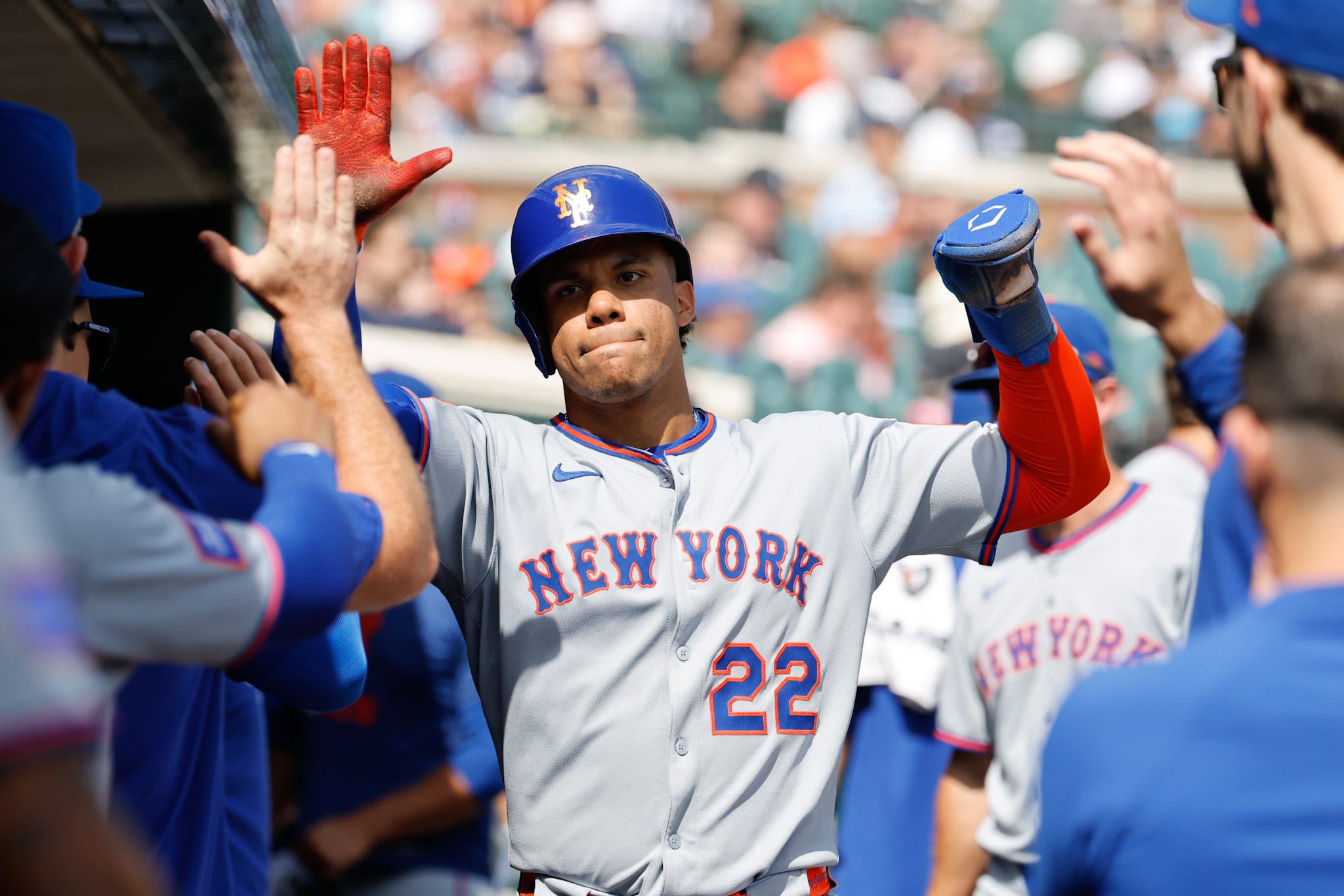 $765,000,000: Juan Soto, New York Mets (2025-39)" style="max-width:100%; height:auto; border-radius:6px; margin:10px 0;" loading="lazy" />
 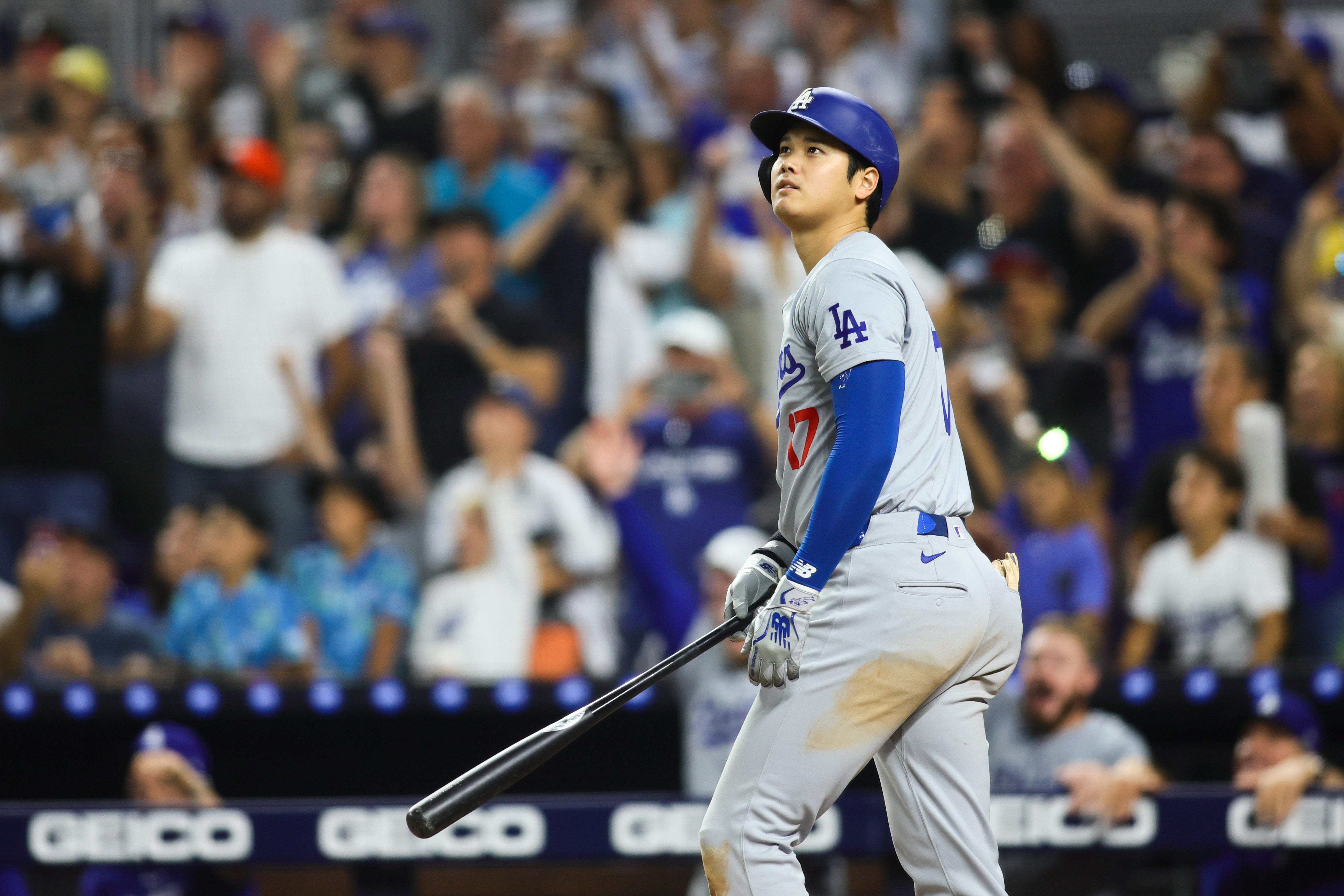 $700,000,000: Shohei Ohtani, Los Angeles Dodgers (2024-33)" style="max-width:100%; height:auto; border-radius:6px; margin:10px 0;" loading="lazy" />
 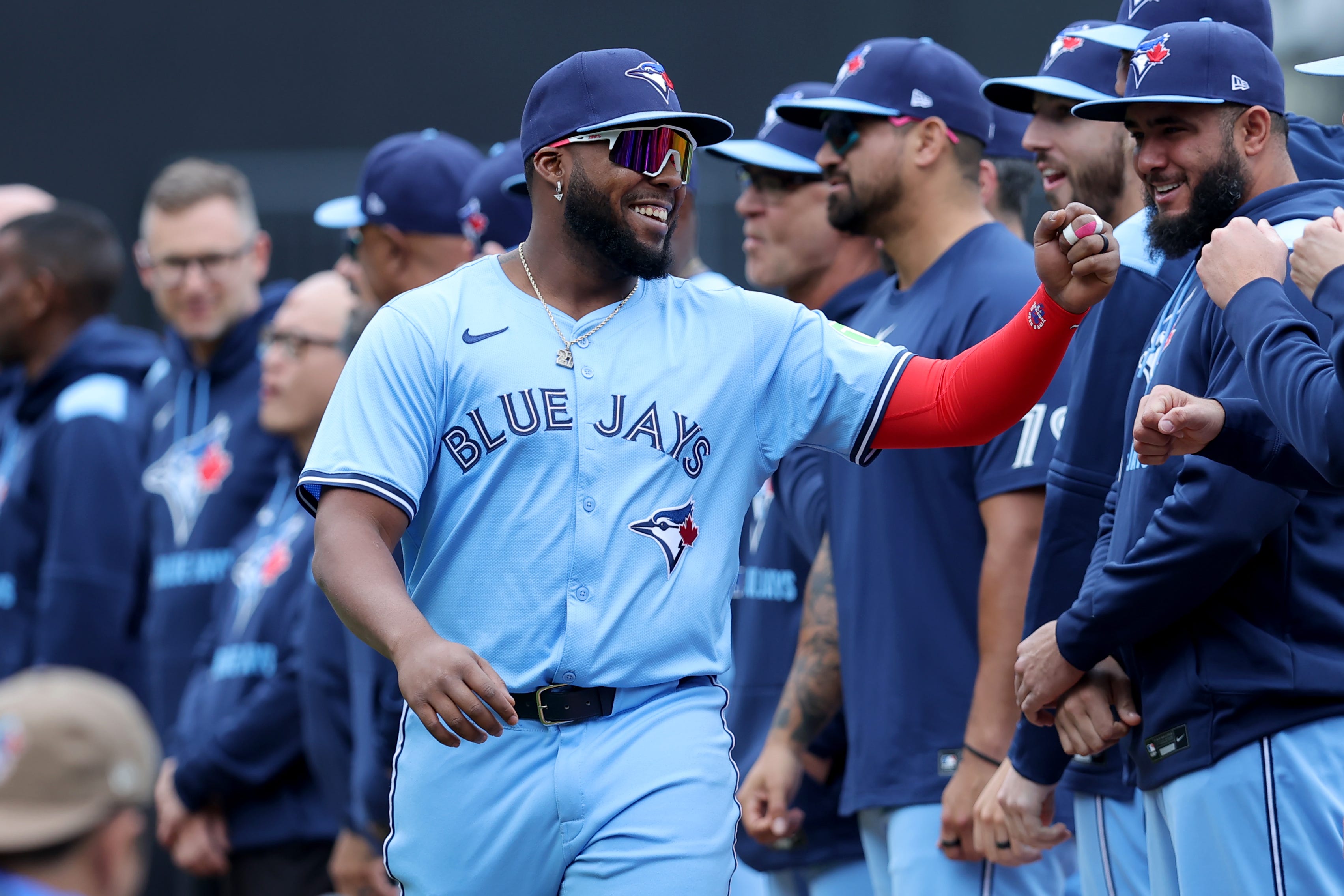 $500,000,000: Vladimir Guerrero, Jr., Toronto Blue Jays (2026-39)" style="max-width:100%; height:auto; border-radius:6px; margin:10px 0;" loading="lazy" />
 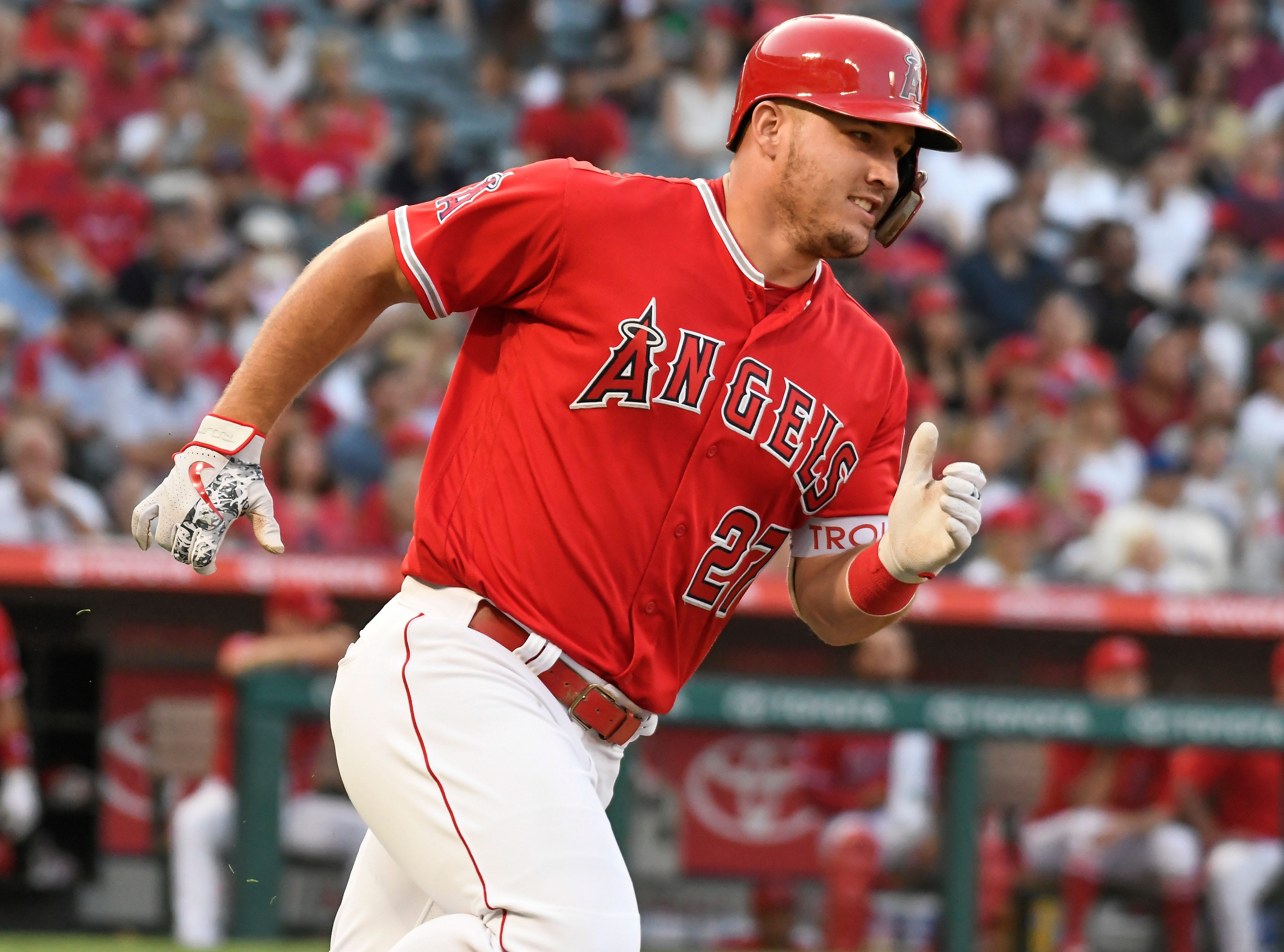 $426.5 million: Mike Trout, Los Angeles Angels (2019-2030)* includes extension" style="max-width:100%; height:auto; border-radius:6px; margin:10px 0;" loading="lazy" />
 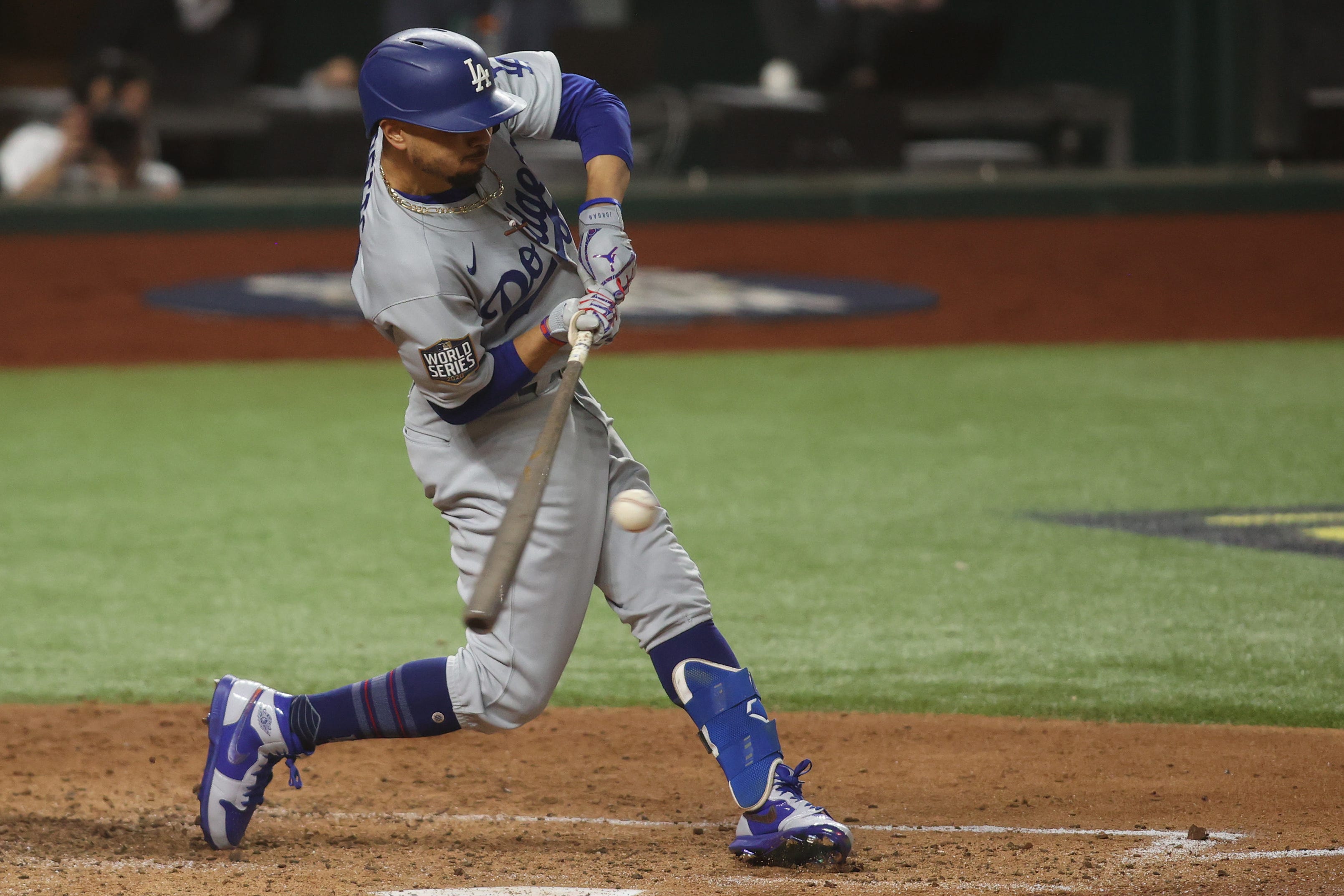 $365 million: Mookie Betts, Los Angeles Dodgers (2020-32)" style="max-width:100%; height:auto; border-radius:6px; margin:10px 0;" loading="lazy" />
 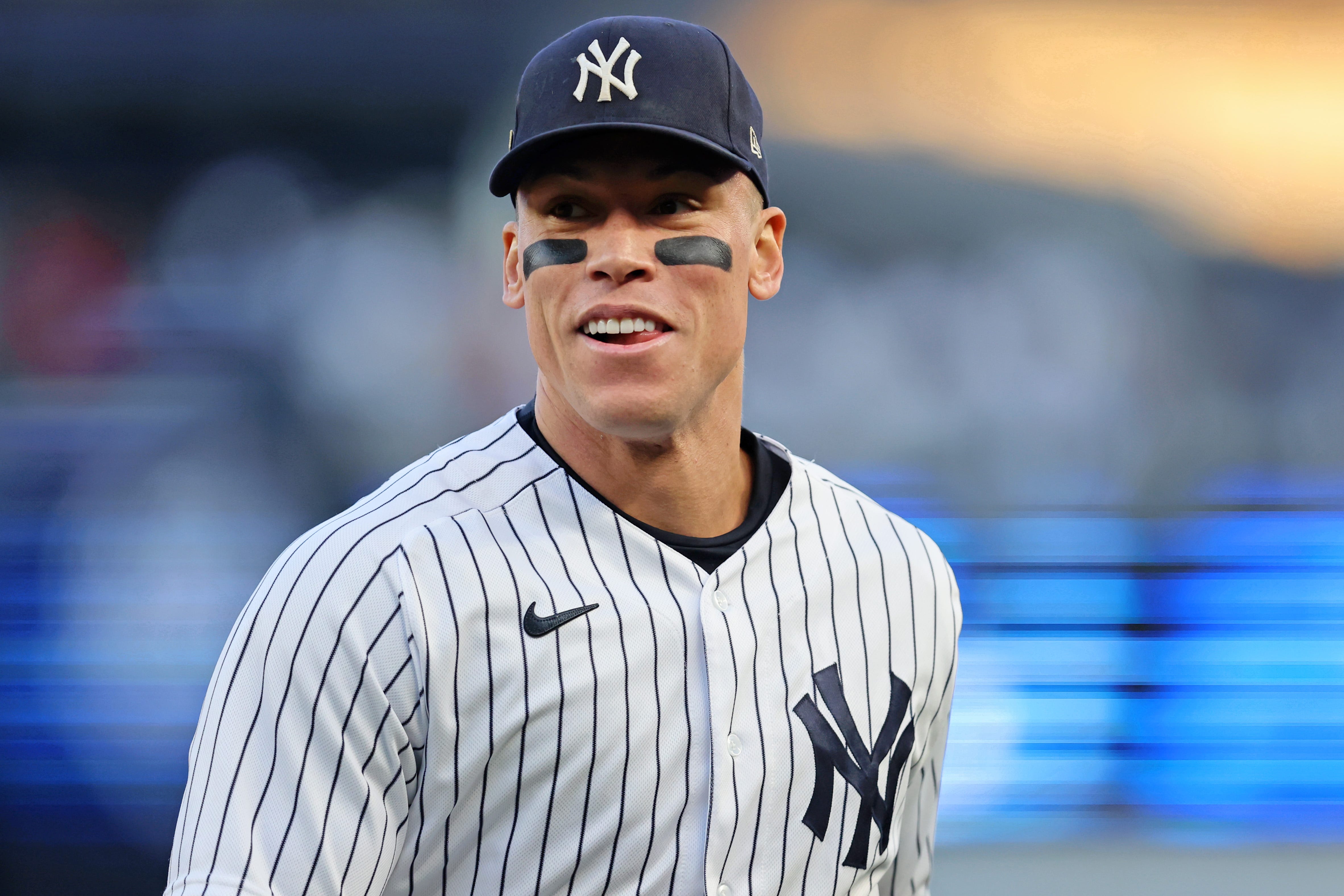 $360 million: Aaron Judge, New York Yankees (2023-2031)" style="max-width:100%; height:auto; border-radius:6px; margin:10px 0;" loading="lazy" />
 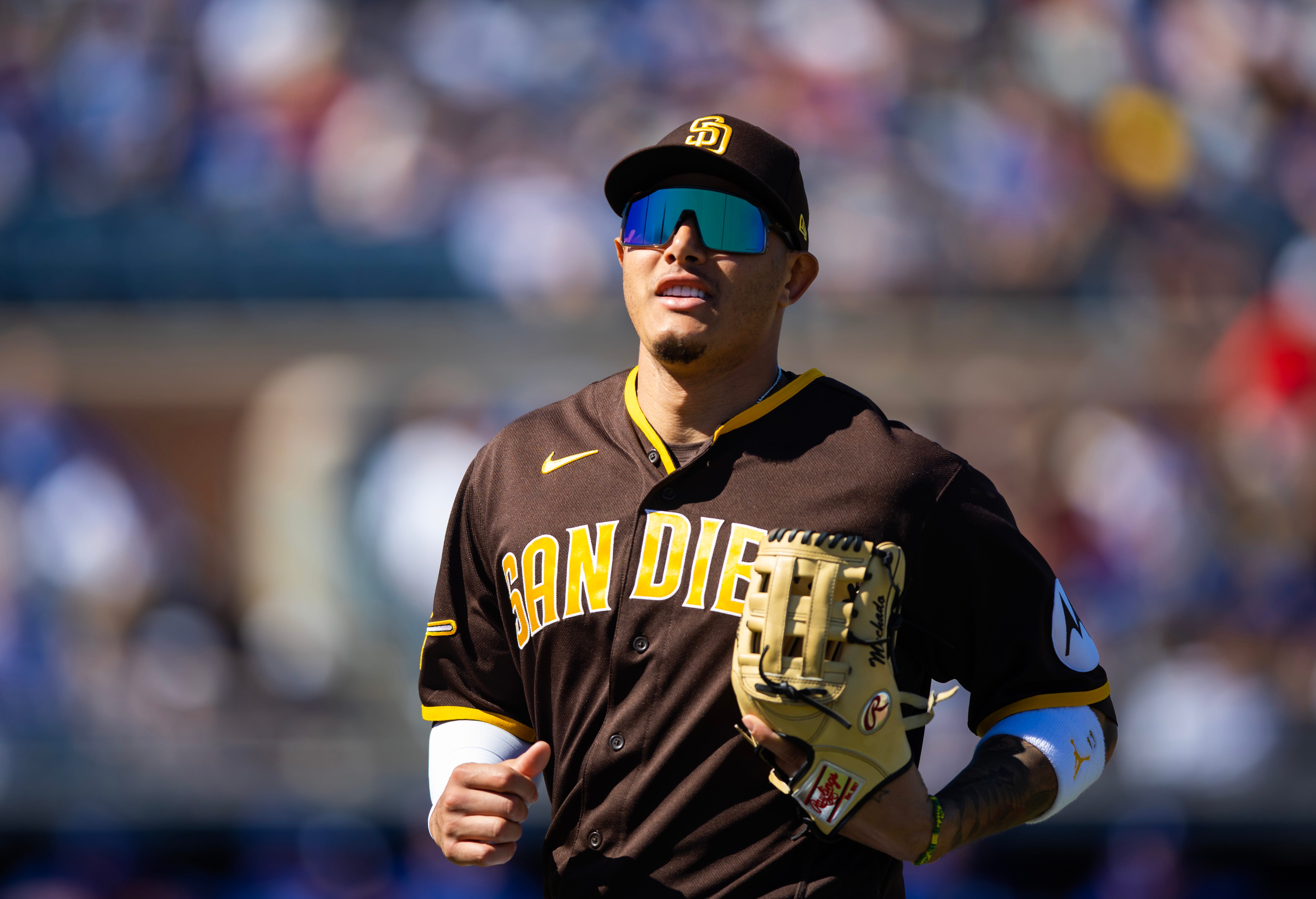 $350 million: Manny Machado, San Diego Padres (2023-33)" style="max-width:100%; height:auto; border-radius:6px; margin:10px 0;" loading="lazy" />
 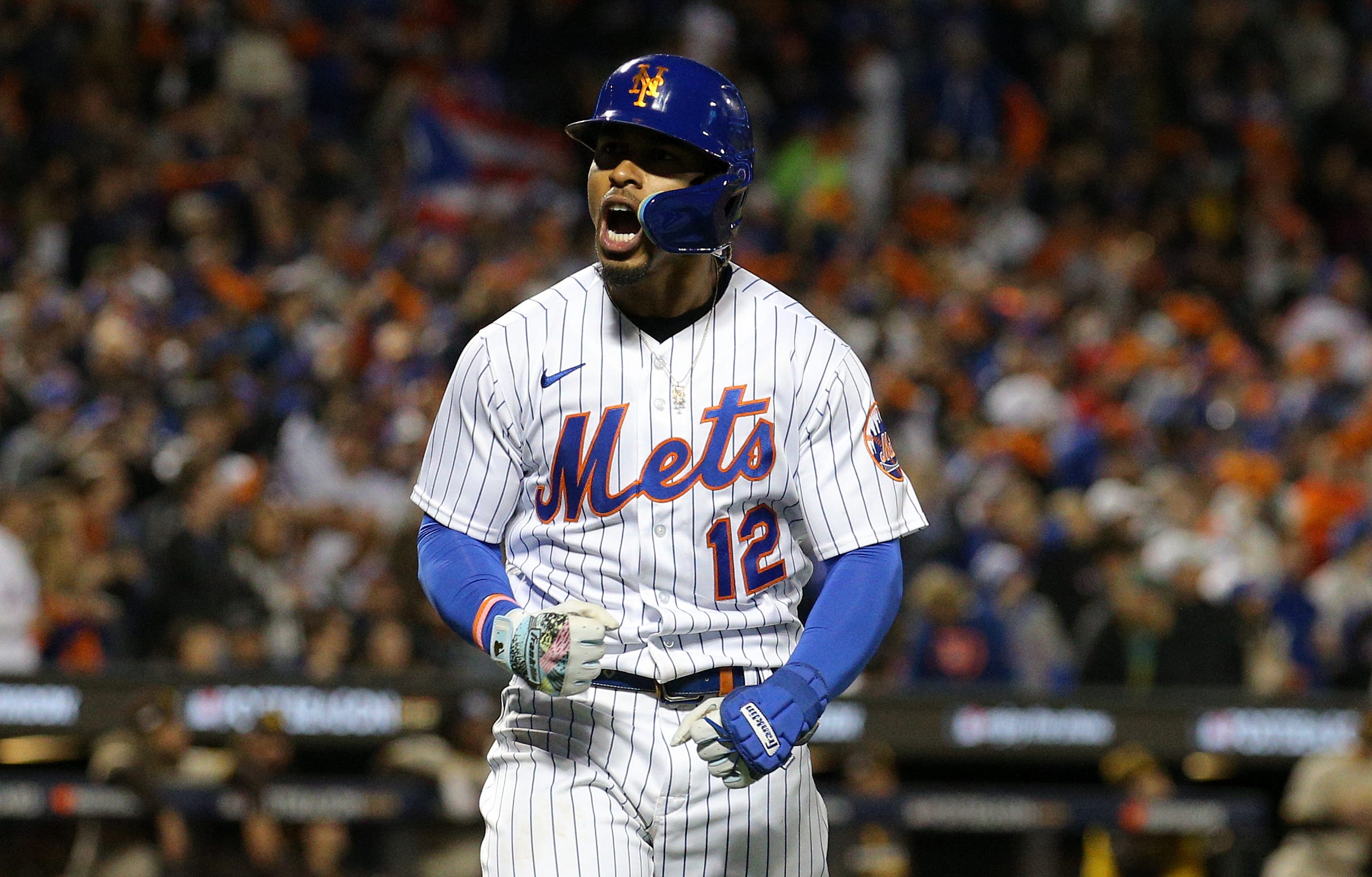 $341 million: Francisco Lindor, New York Mets (2022-31)" style="max-width:100%; height:auto; border-radius:6px; margin:10px 0;" loading="lazy" />
 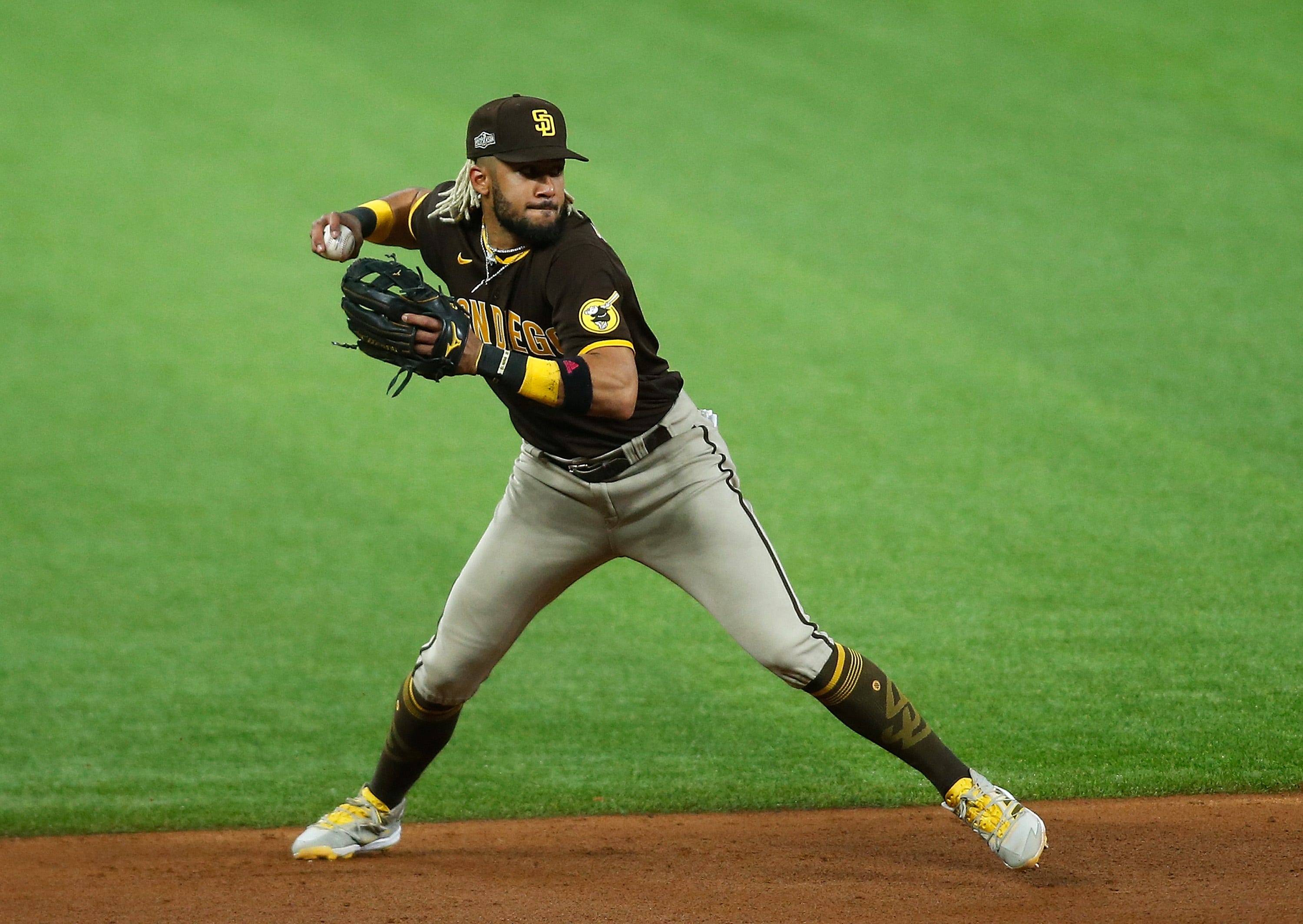 $340 million: Fernando Tatis Jr., San Diego Padres (2021-34)" style="max-width:100%; height:auto; border-radius:6px; margin:10px 0;" loading="lazy" />
 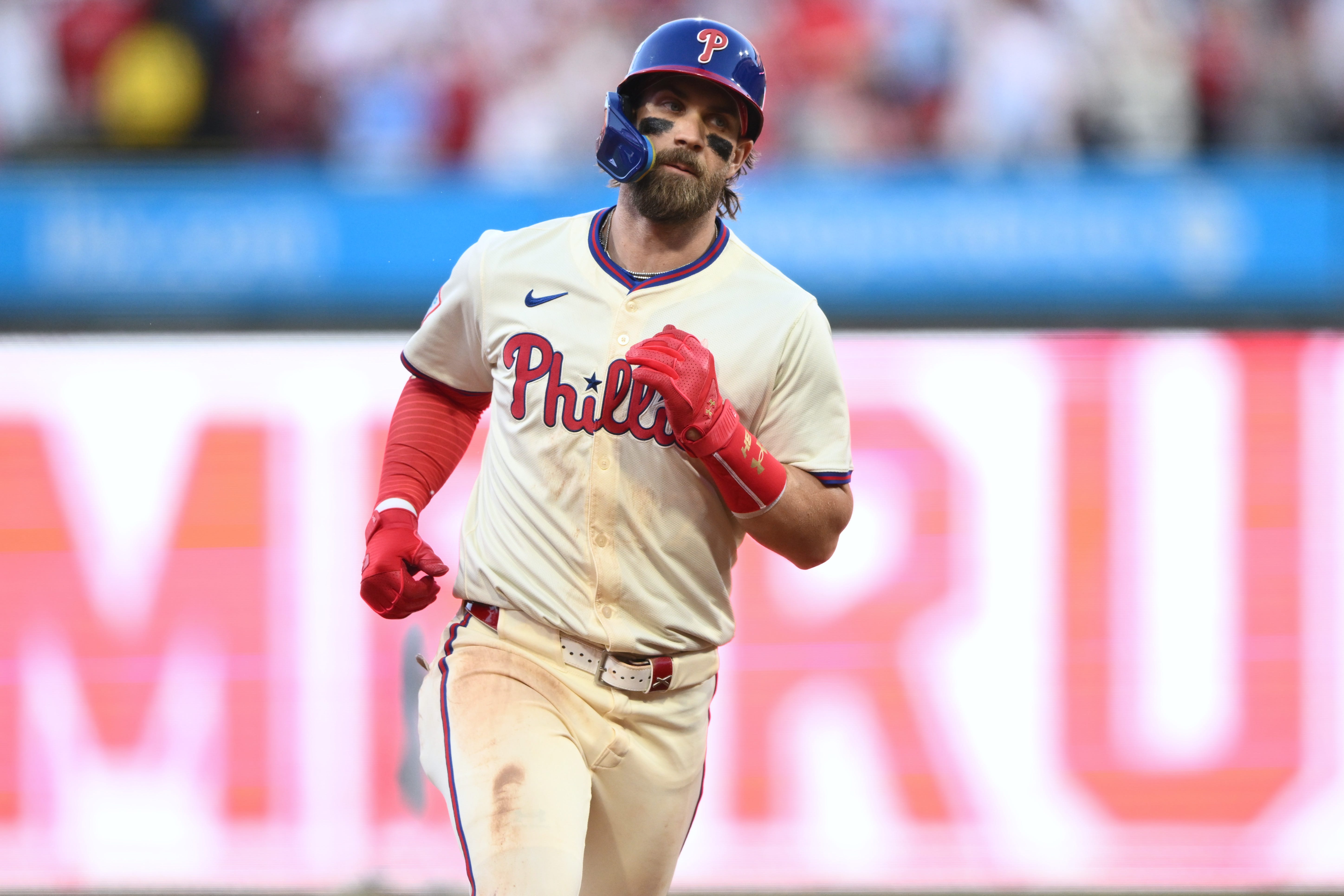 $330,000,000: Bryce Harper, Philadelphia Phillies (2019-31)" style="max-width:100%; height:auto; border-radius:6px; margin:10px 0;" loading="lazy" />
 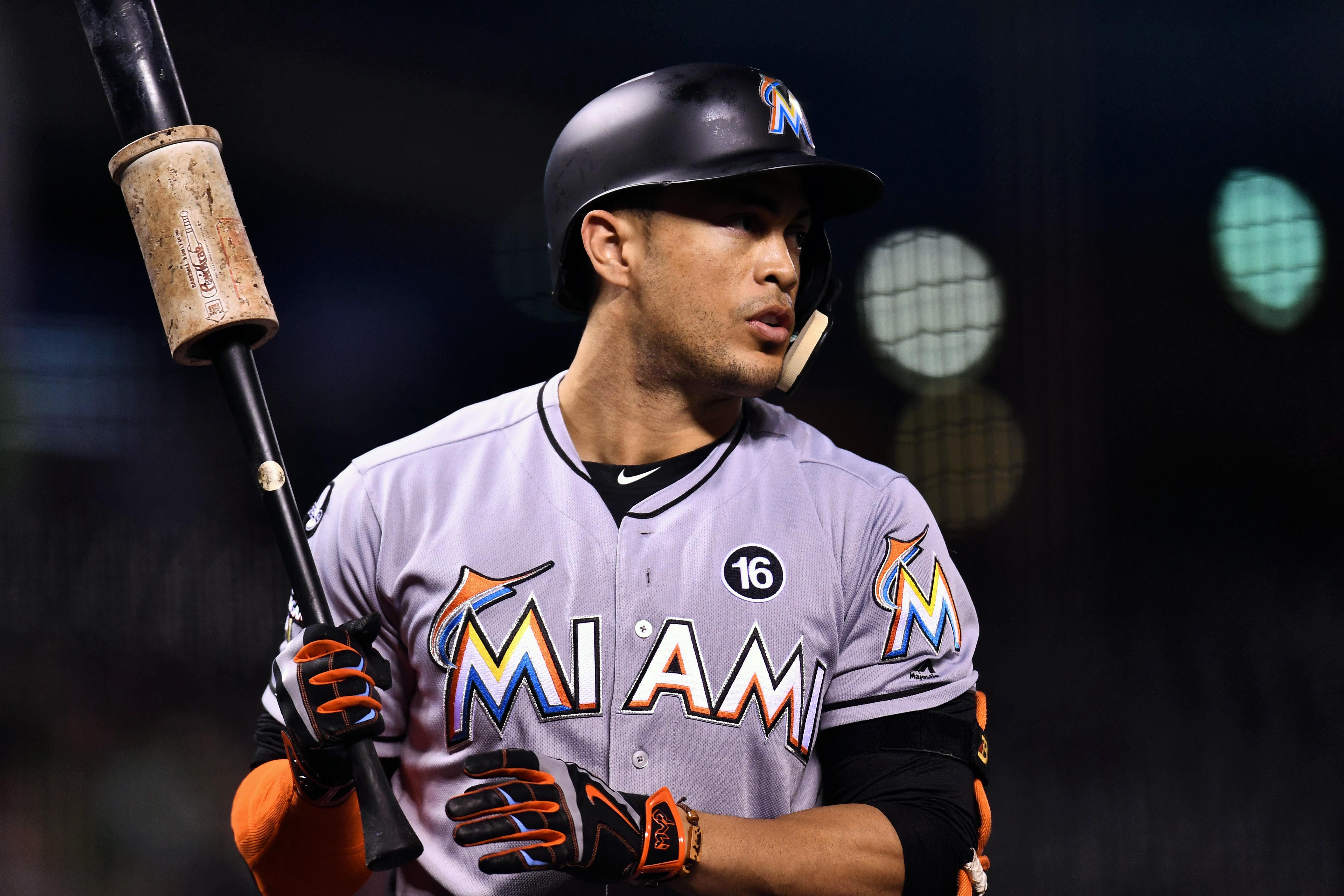 $325 million: Giancarlo Stanton, Miami Marlins (2015-2027) – traded to New York Yankees in 2017" style="max-width:100%; height:auto; border-radius:6px; margin:10px 0;" loading="lazy" />
 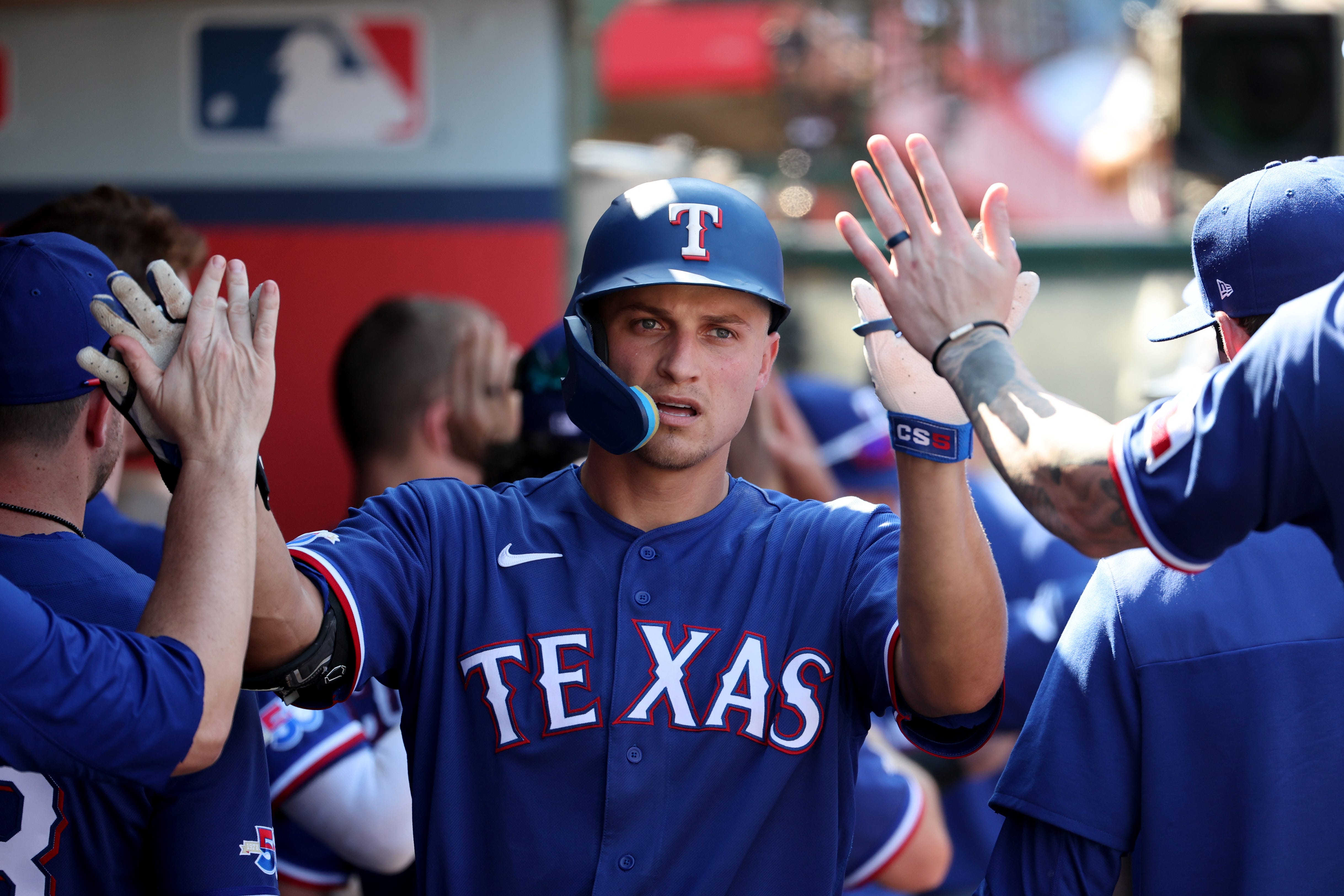 $325 million: Corey Seager, Texas Rangers (2022-31)" style="max-width:100%; height:auto; border-radius:6px; margin:10px 0;" loading="lazy" />
 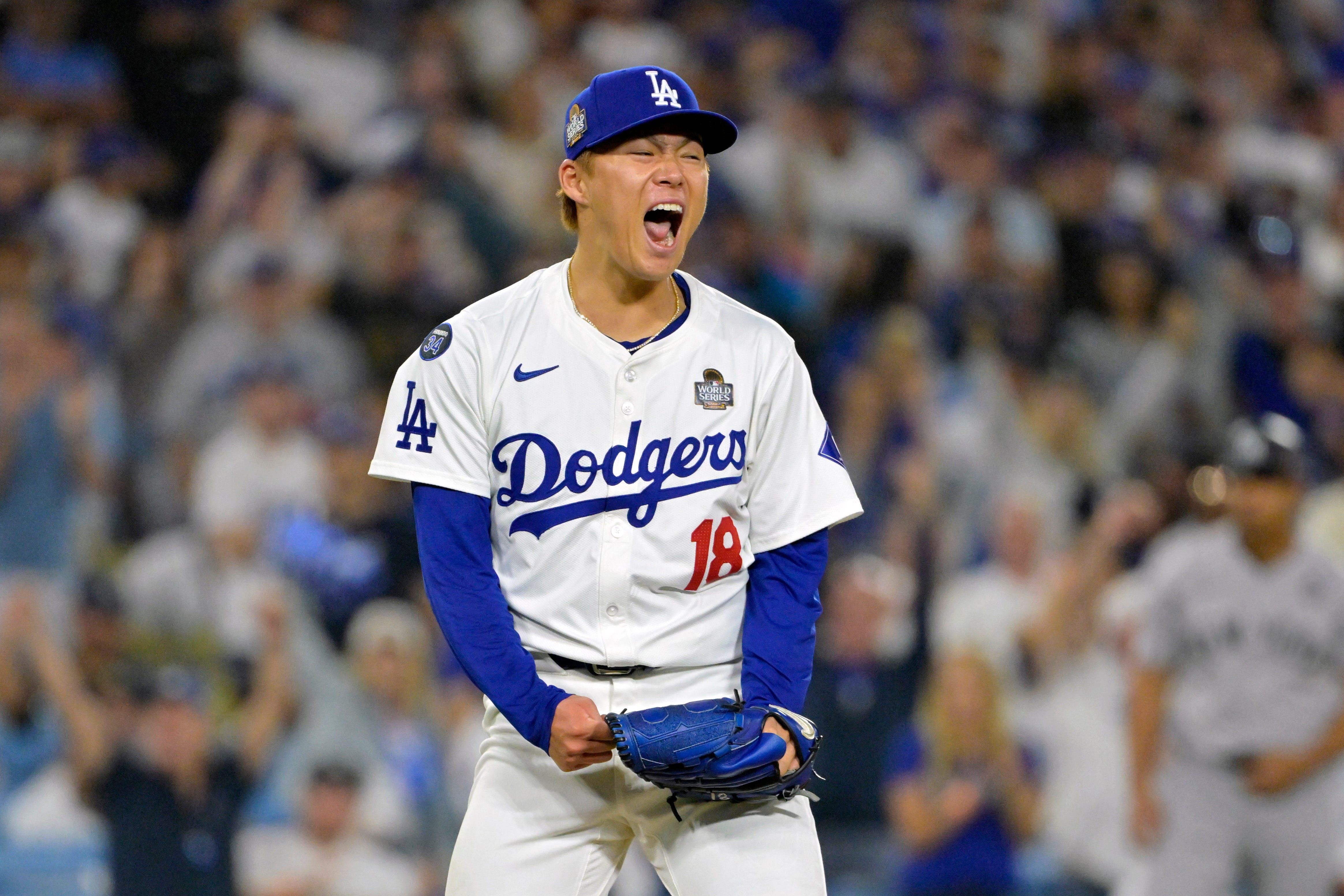 $325,000,000: Yoshinobu Yamamoto, Los Angeles Dodgers (2024-35)" style="max-width:100%; height:auto; border-radius:6px; margin:10px 0;" loading="lazy" />
 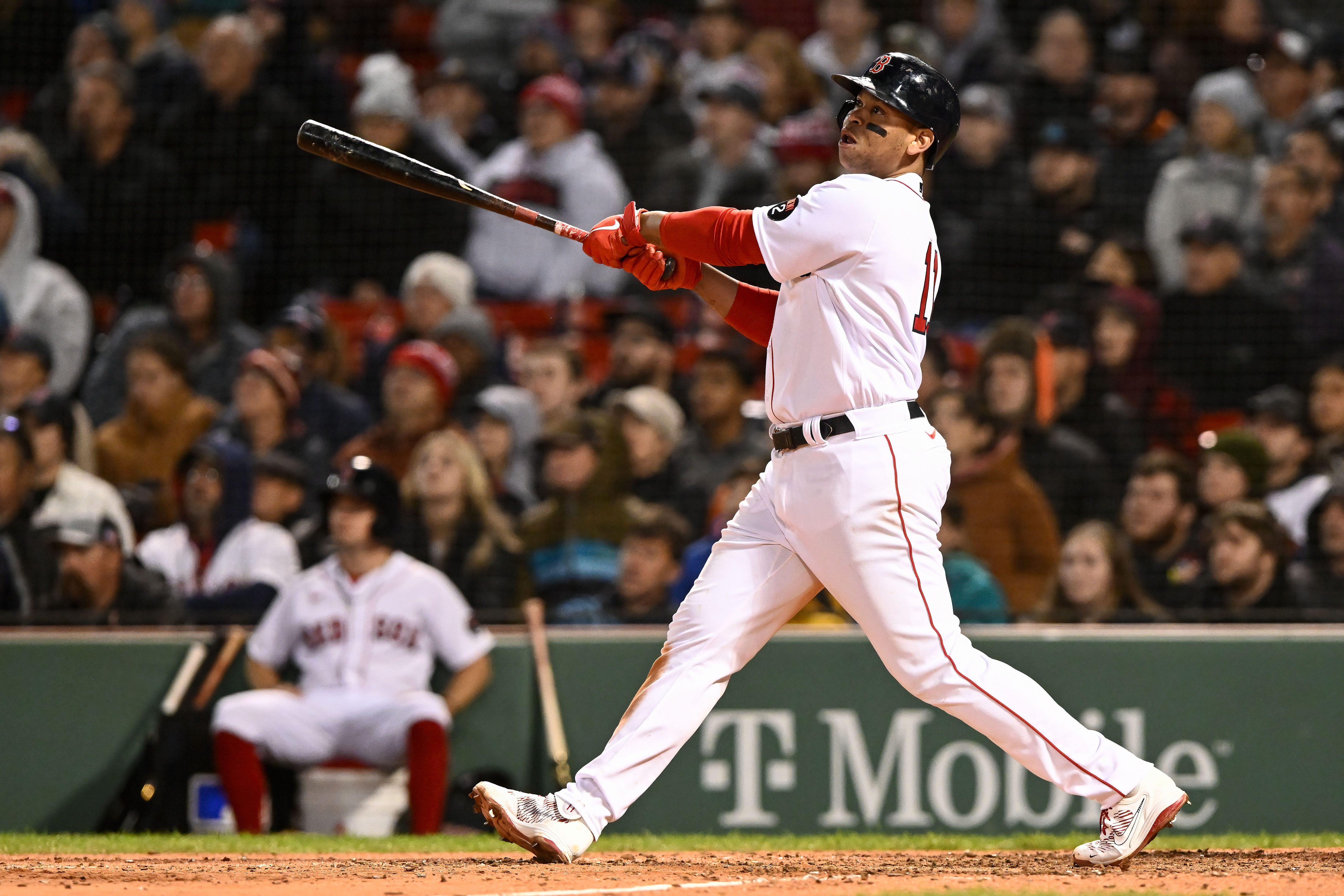 $313.5 million: Rafael Devers, Boston Red Sox (2024-33) - traded to San Francisco Giants in 2025" style="max-width:100%; height:auto; border-radius:6px; margin:10px 0;" loading="lazy" />
 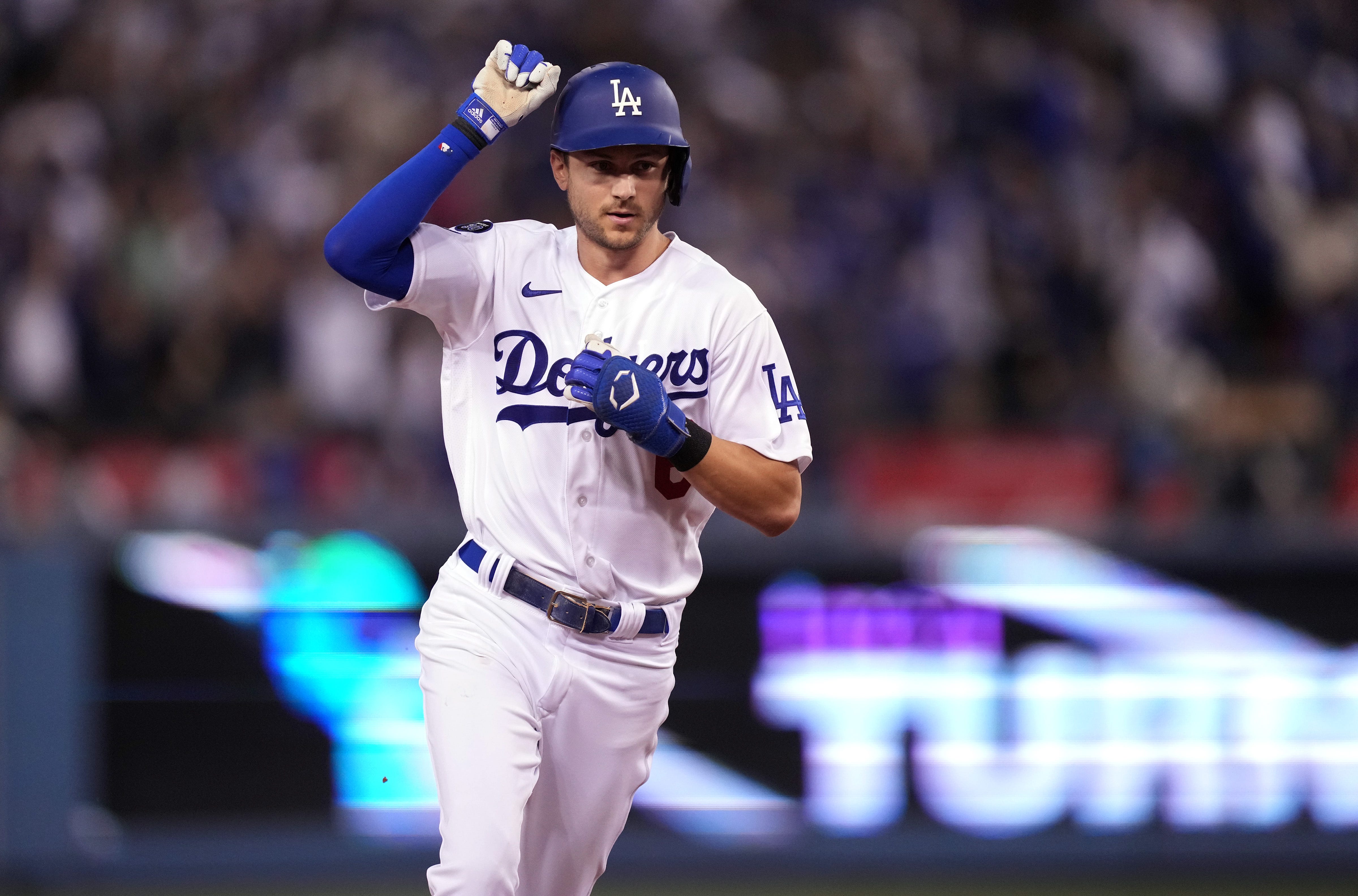 $300 million: Trea Turner, Philadelphia Phillies (2023-33)" style="max-width:100%; height:auto; border-radius:6px; margin:10px 0;" loading="lazy" />
 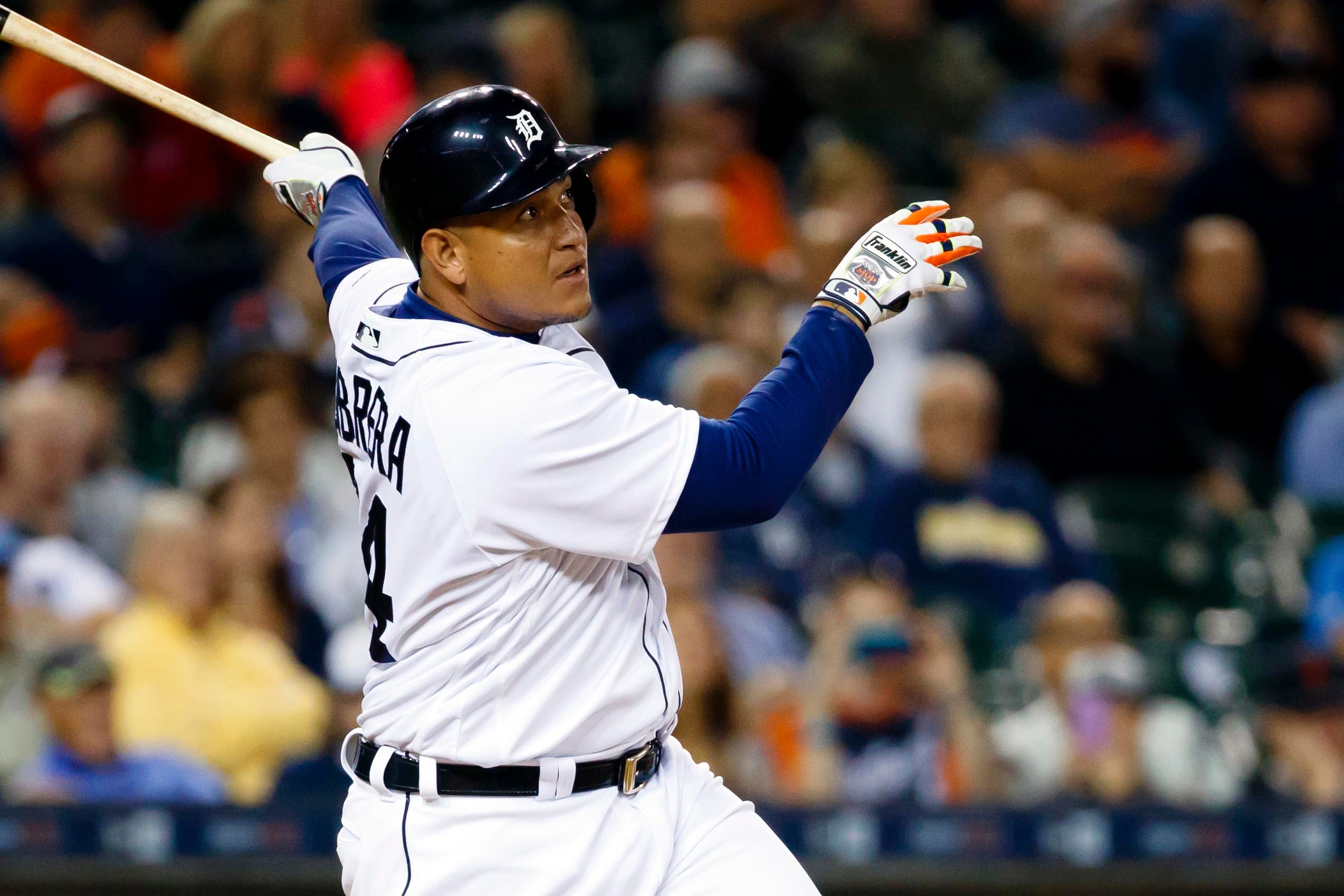 $292 million: Miguel Cabrera, Detroit Tigers (2014-2023)* includes extension" style="max-width:100%; height:auto; border-radius:6px; margin:10px 0;" loading="lazy" />
 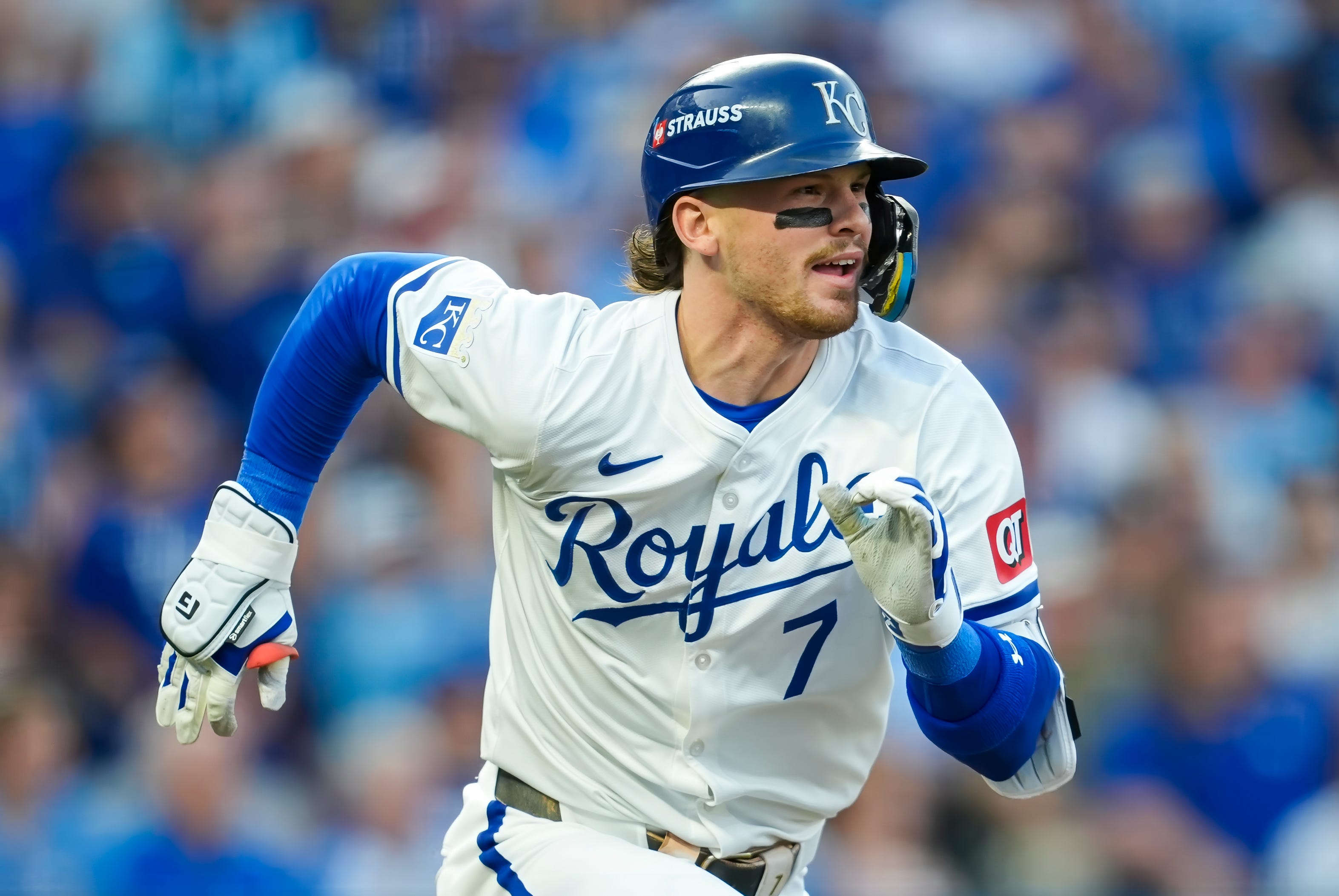 $288,777,777: Bobby Witt Jr., Kansas City Royals (2024-34)" style="max-width:100%; height:auto; border-radius:6px; margin:10px 0;" loading="lazy" />
 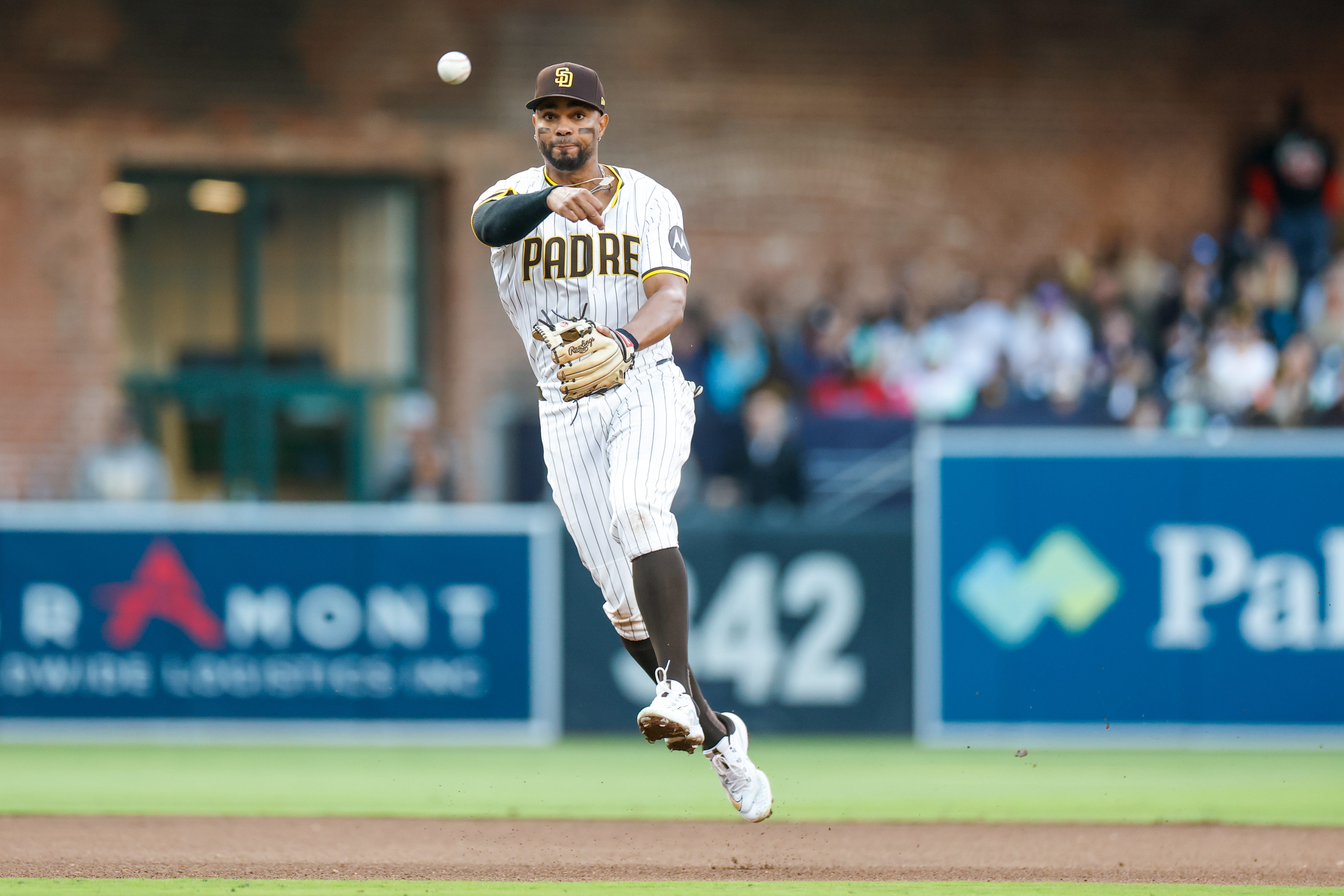 $280 million: Xander Bogaerts, San Diego Padres (2023-33)" style="max-width:100%; height:auto; border-radius:6px; margin:10px 0;" loading="lazy" />
 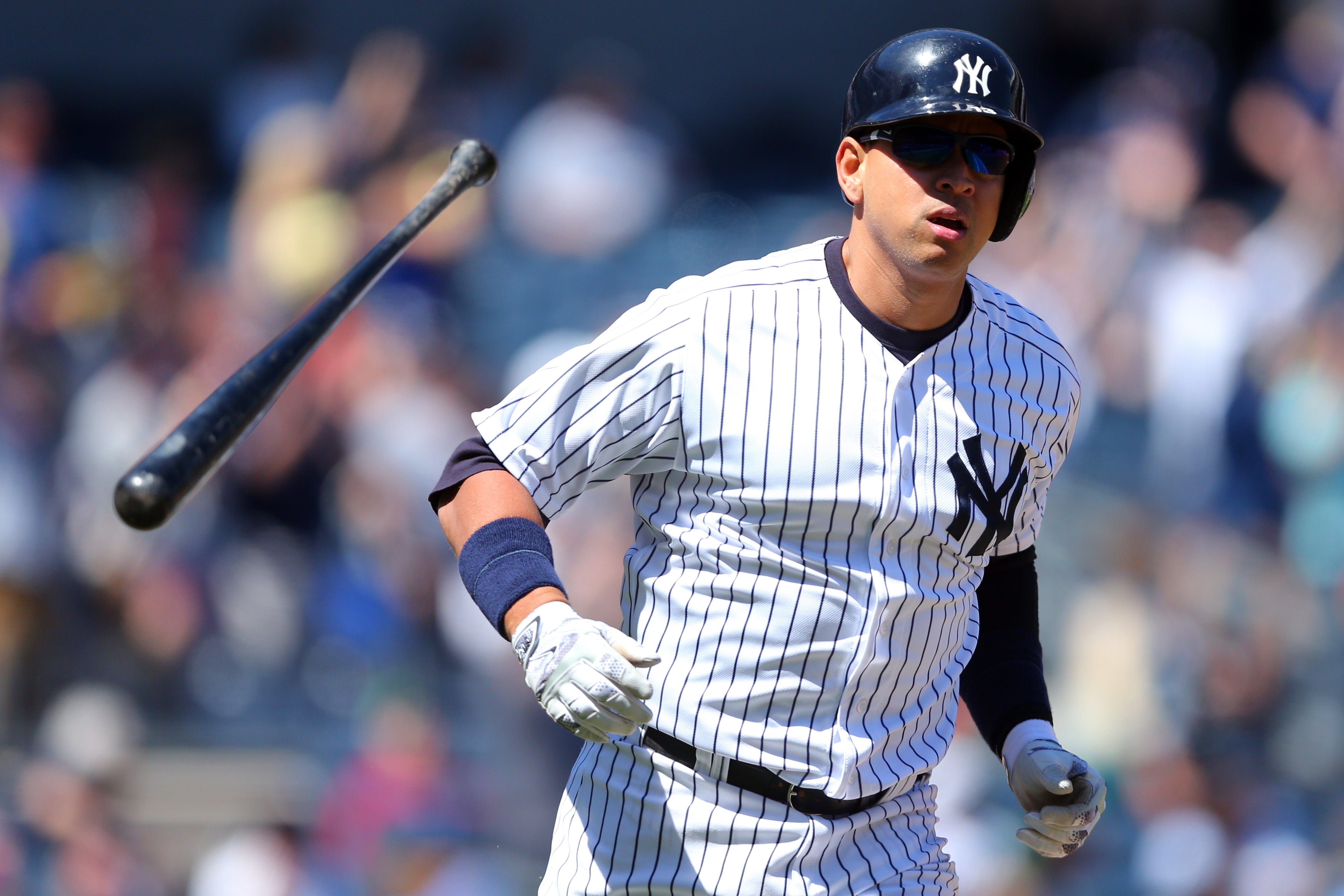 $275 million: Alex Rodriguez, New York Yankees (2008-2017)" style="max-width:100%; height:auto; border-radius:6px; margin:10px 0;" loading="lazy" />
 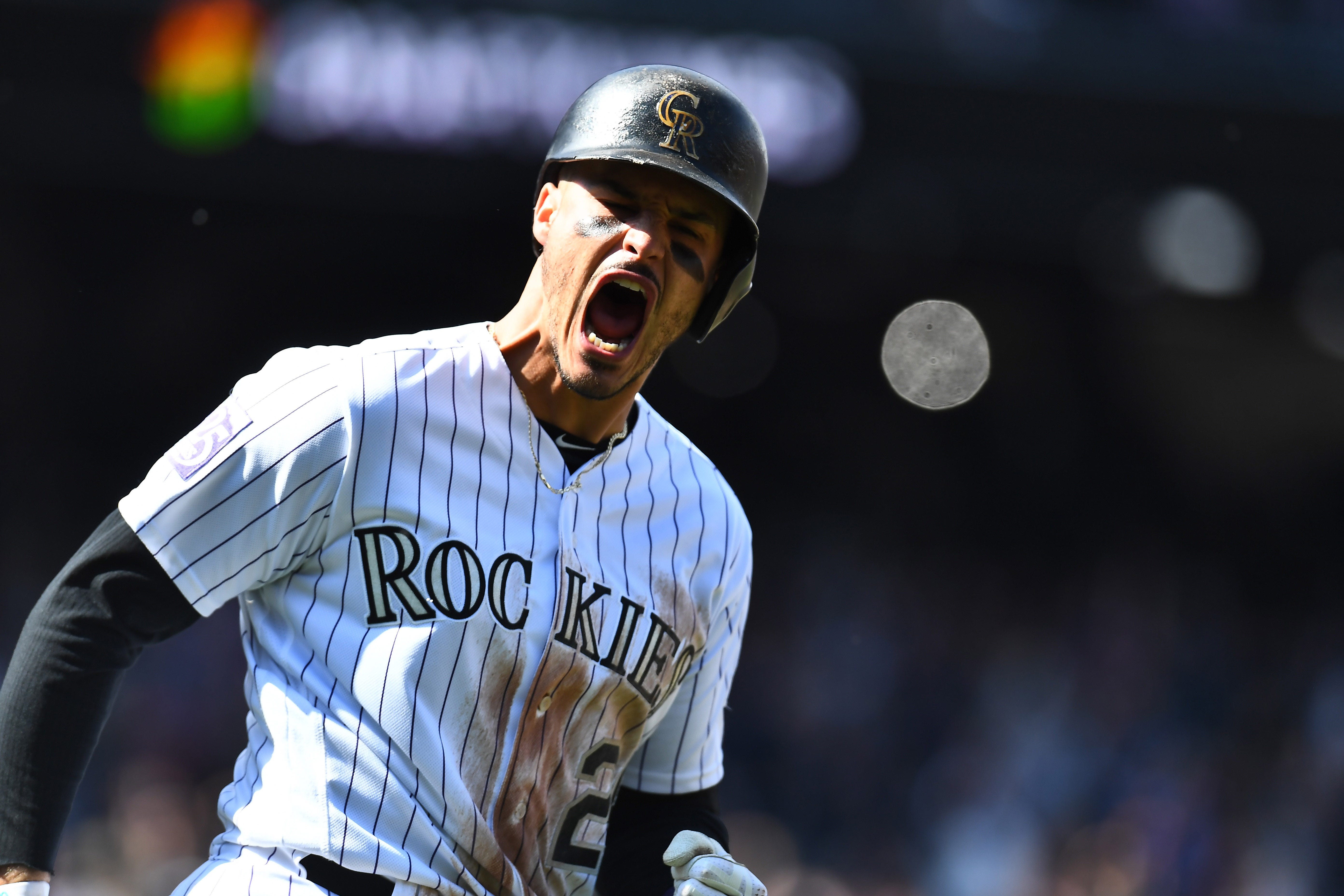 $260 million: Nolan Arenado, Colorado Rockies (2019-26) - traded to St. Louis Cardinals in 2021, traded to Arizona Diamondbacks in 2026" style="max-width:100%; height:auto; border-radius:6px; margin:10px 0;" loading="lazy" />
 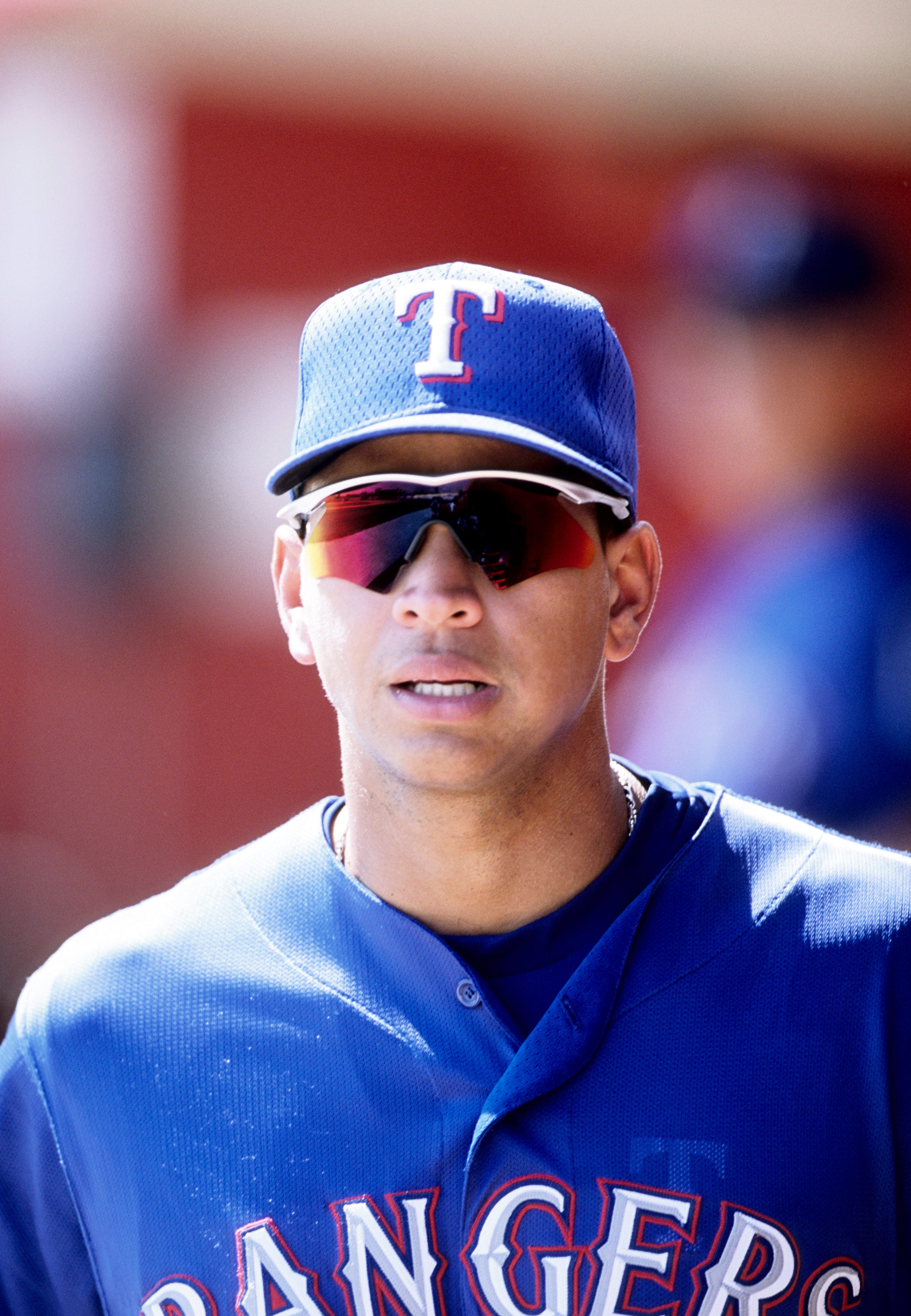 $252,000,000: Alex Rodriguez, Texas Rangers (2001-10)" style="max-width:100%; height:auto; border-radius:6px; margin:10px 0;" loading="lazy" />
 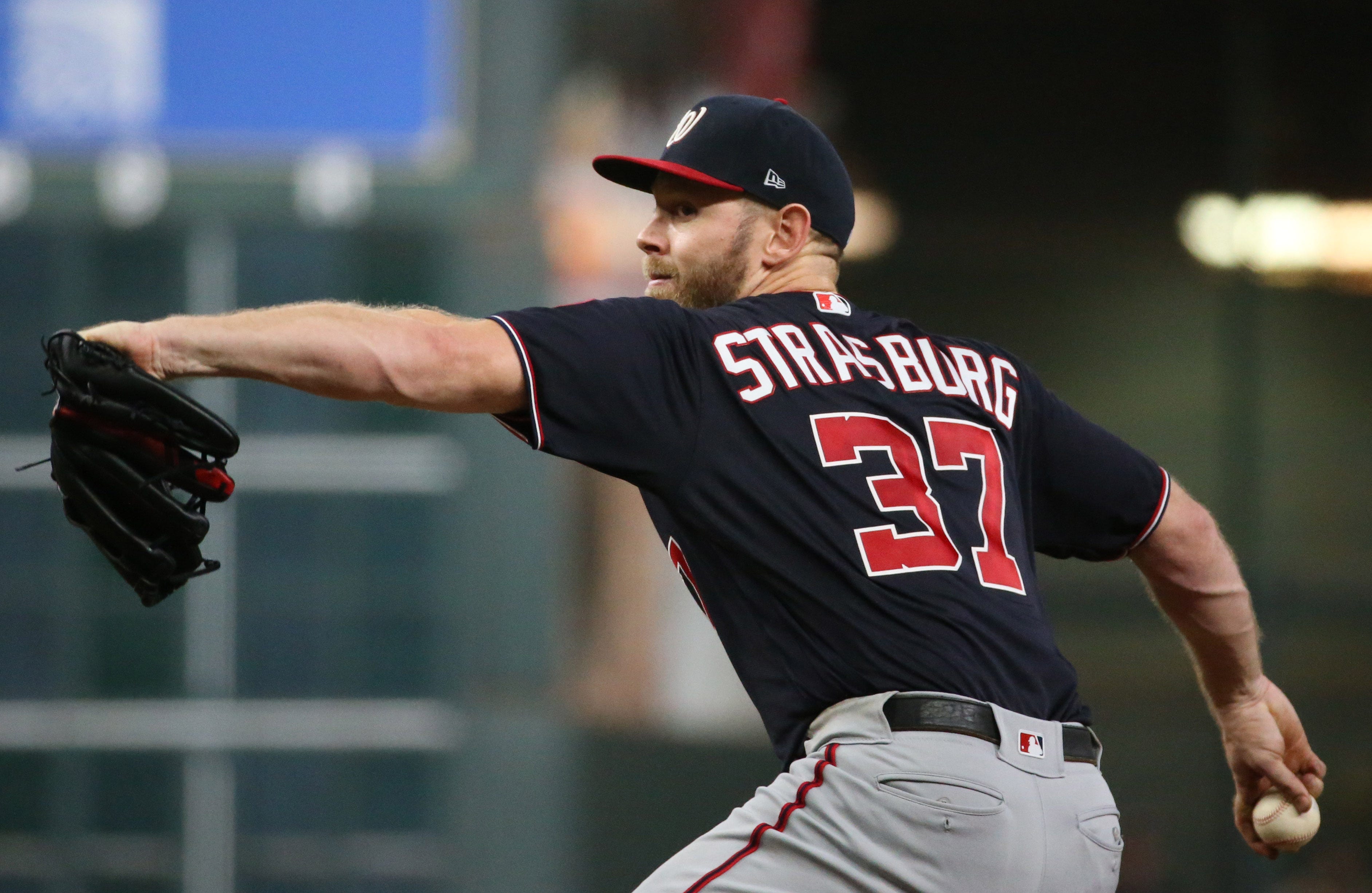 $245 million: Stephen Strasburg, Washington Nationals (2020-26)" style="max-width:100%; height:auto; border-radius:6px; margin:10px 0;" loading="lazy" />
 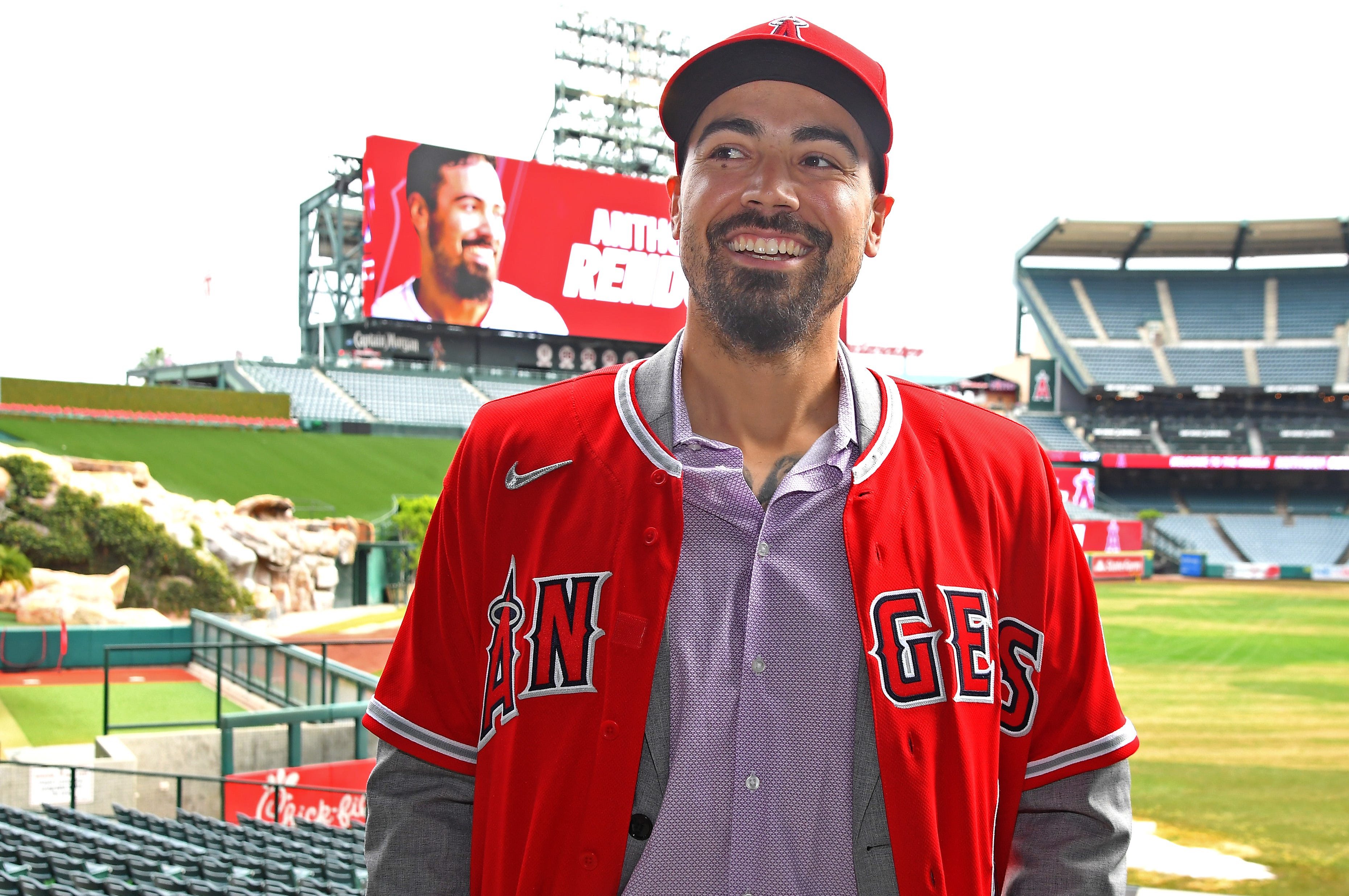 $245 million: Anthony Rendon, Los Angeles Angels (2020-26)" style="max-width:100%; height:auto; border-radius:6px; margin:10px 0;" loading="lazy" />
 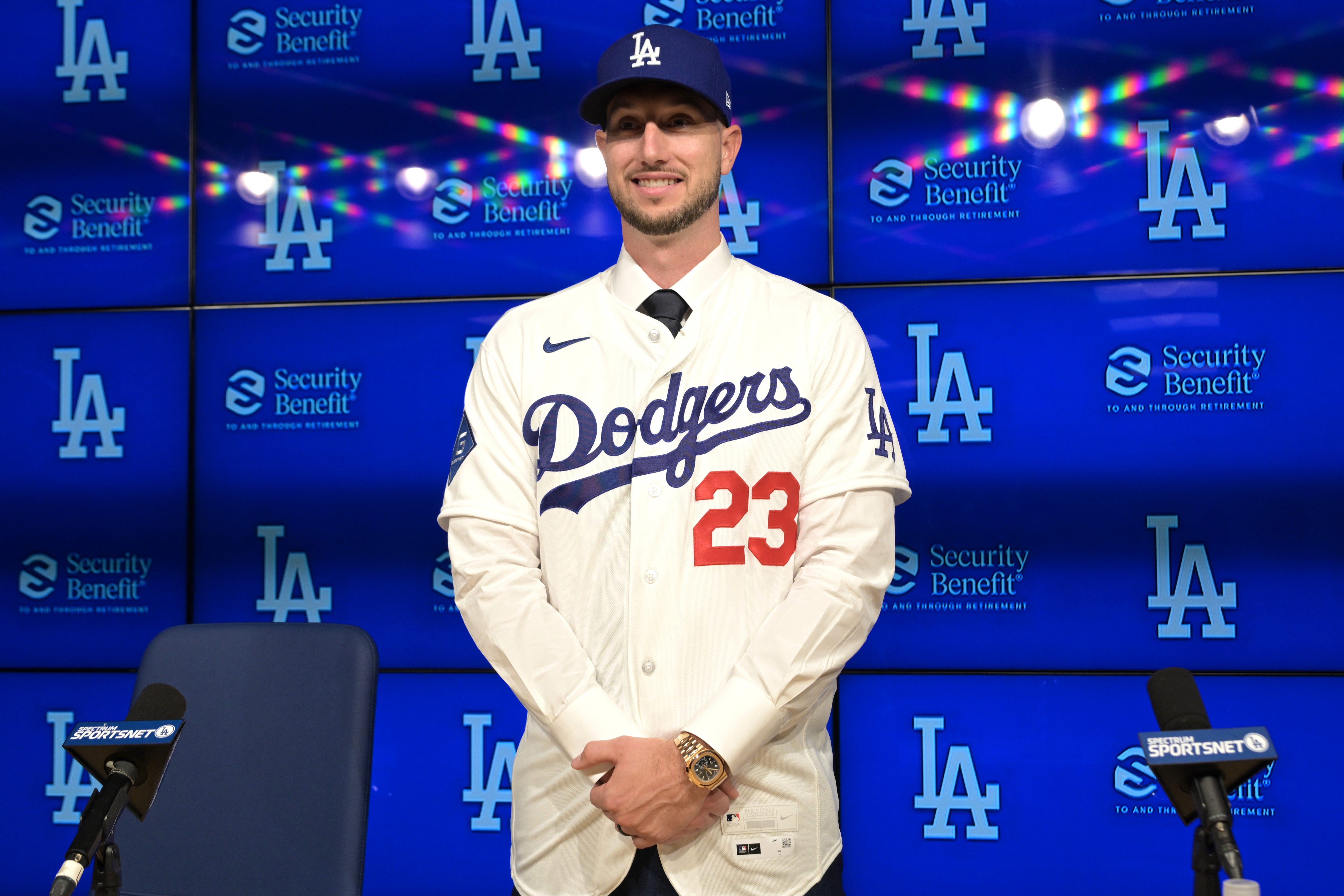 $240,000,000: Kyle Tucker, Los Angeles Dodgers (2026-29)" style="max-width:100%; height:auto; border-radius:6px; margin:10px 0;" loading="lazy" />
 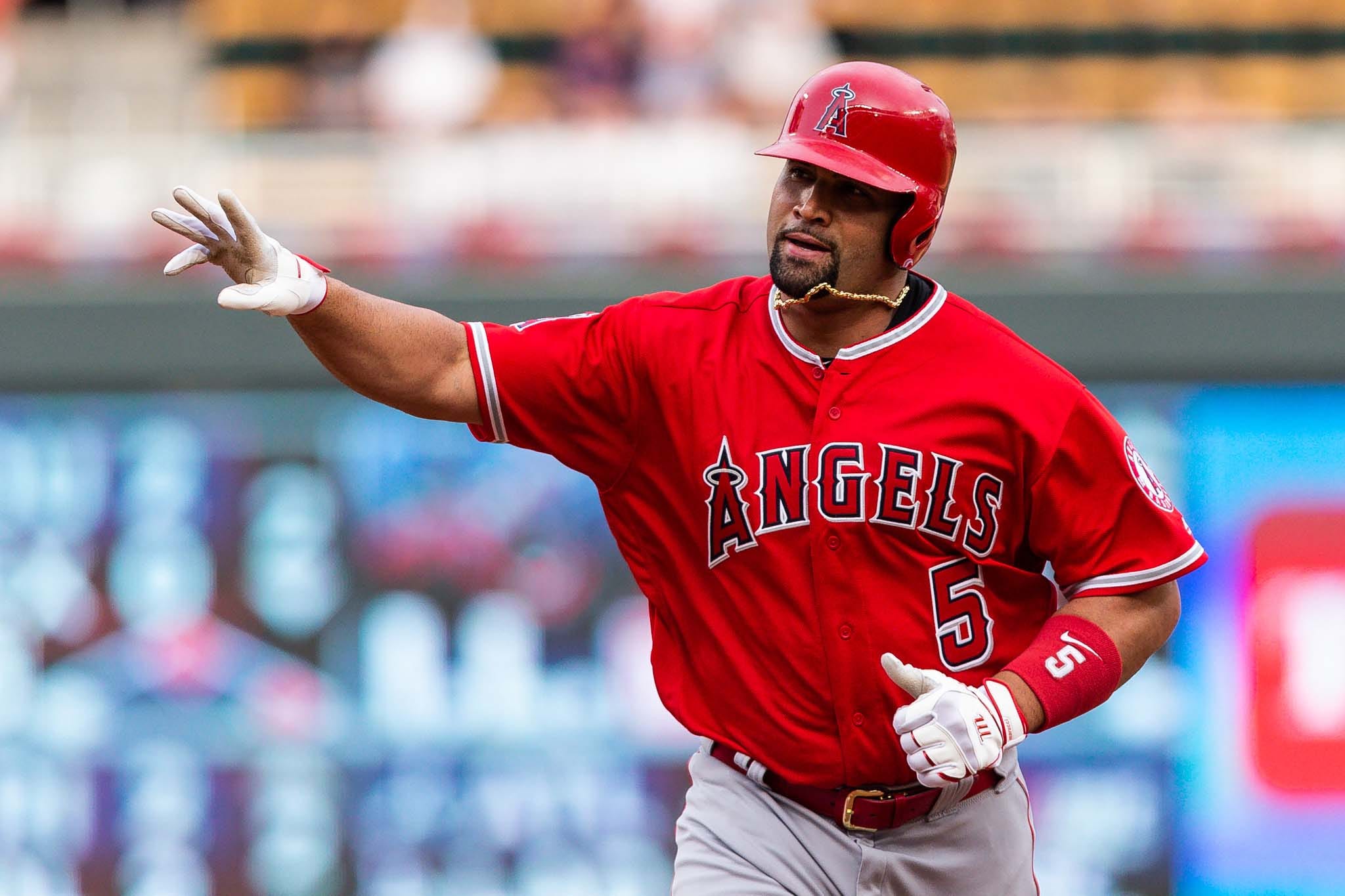 $240 million: Albert Pujols, Los Angeles Angels (2012-2021)" style="max-width:100%; height:auto; border-radius:6px; margin:10px 0;" loading="lazy" />
 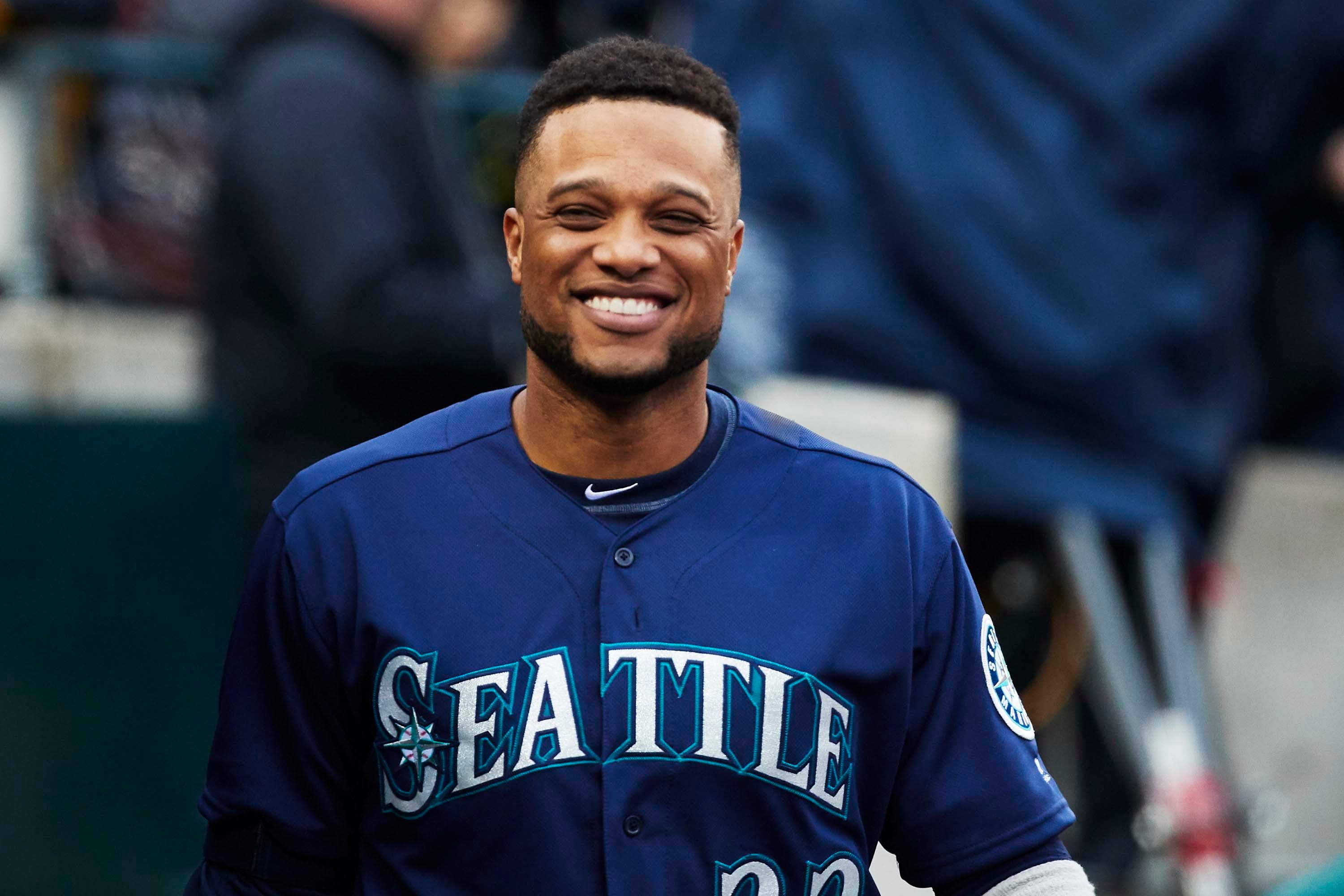 $240 million: Robinson Cano, Seattle Mariners (2014-2023) – traded to New York Mets in 2019" style="max-width:100%; height:auto; border-radius:6px; margin:10px 0;" loading="lazy" />
 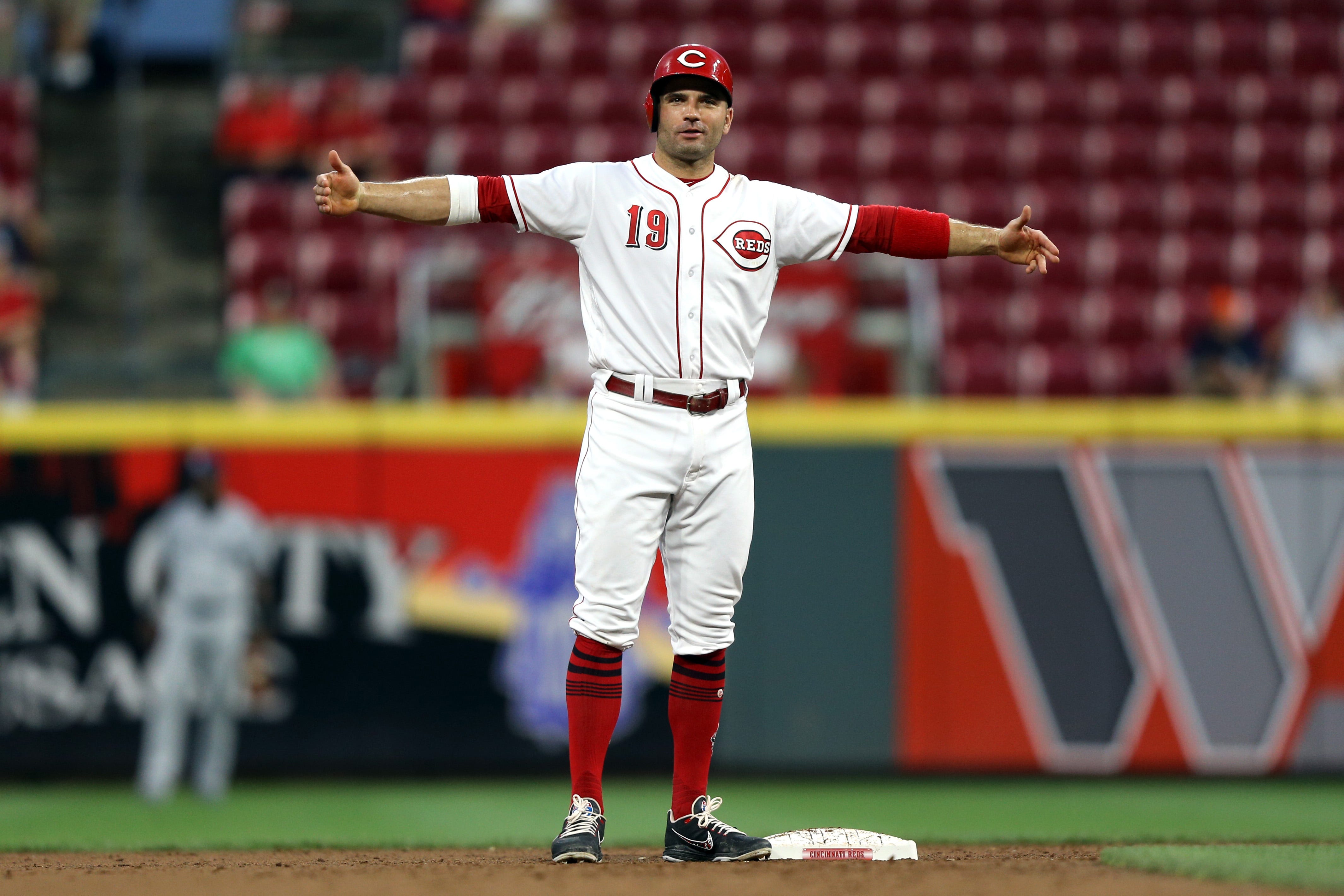 $225 million: Joey Votto, Cincinnati Reds (2012-2021)" style="max-width:100%; height:auto; border-radius:6px; margin:10px 0;" loading="lazy" />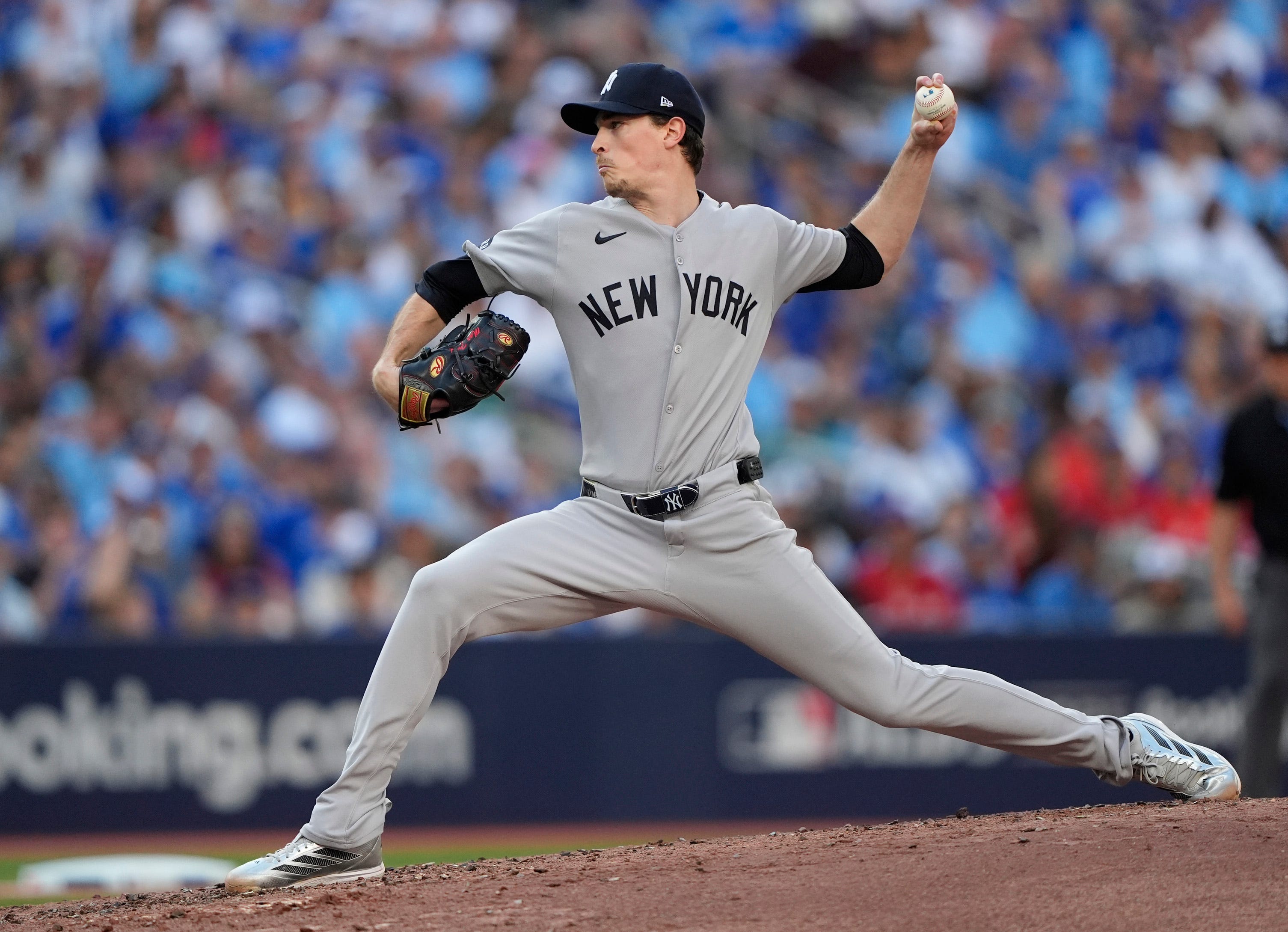
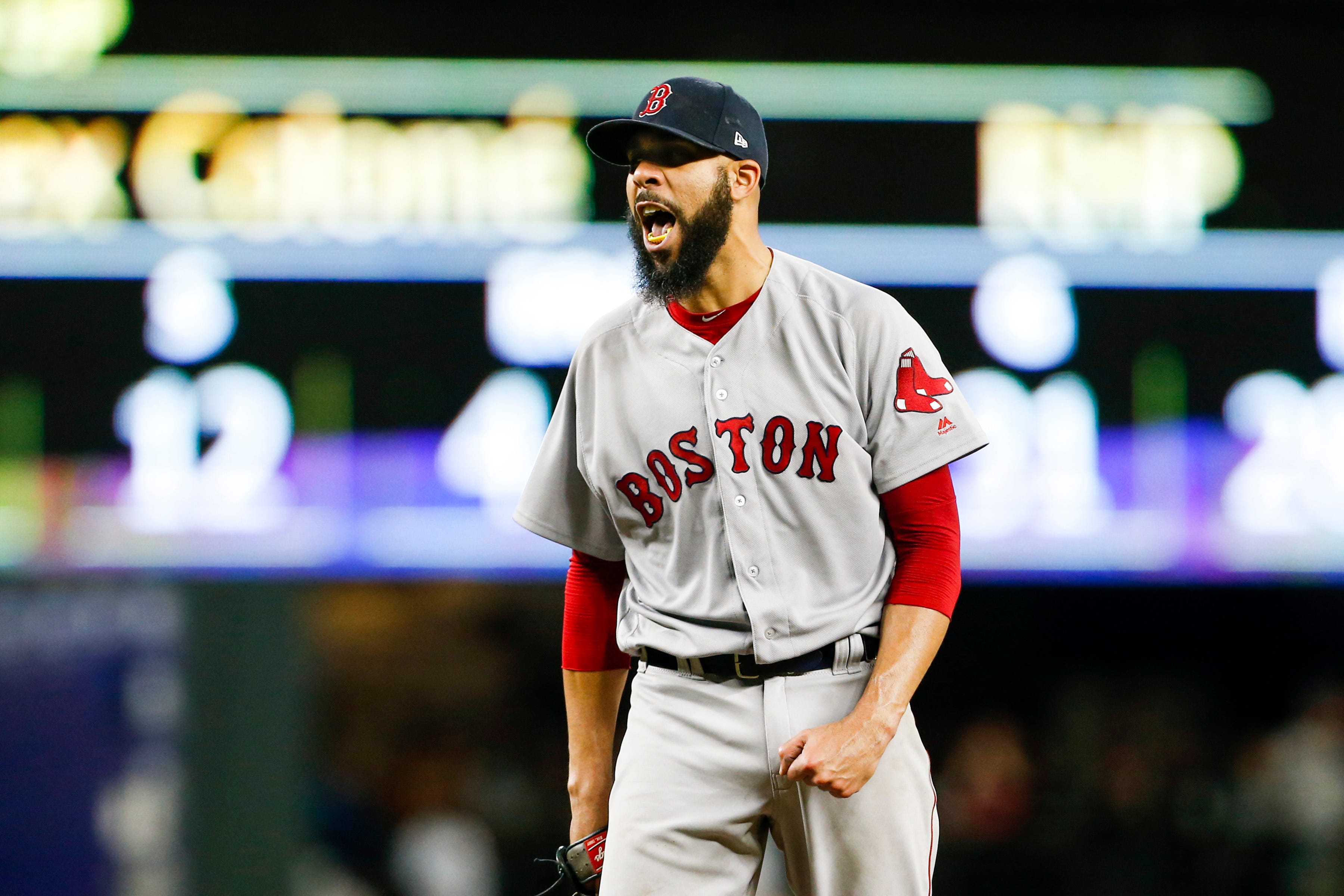 $217 million: David Price, Boston Red Sox (2016-2022) – traded to Los Angeles Dodgers in 2020" style="max-width:100%; height:auto; border-radius:6px; margin:10px 0;" loading="lazy" />
 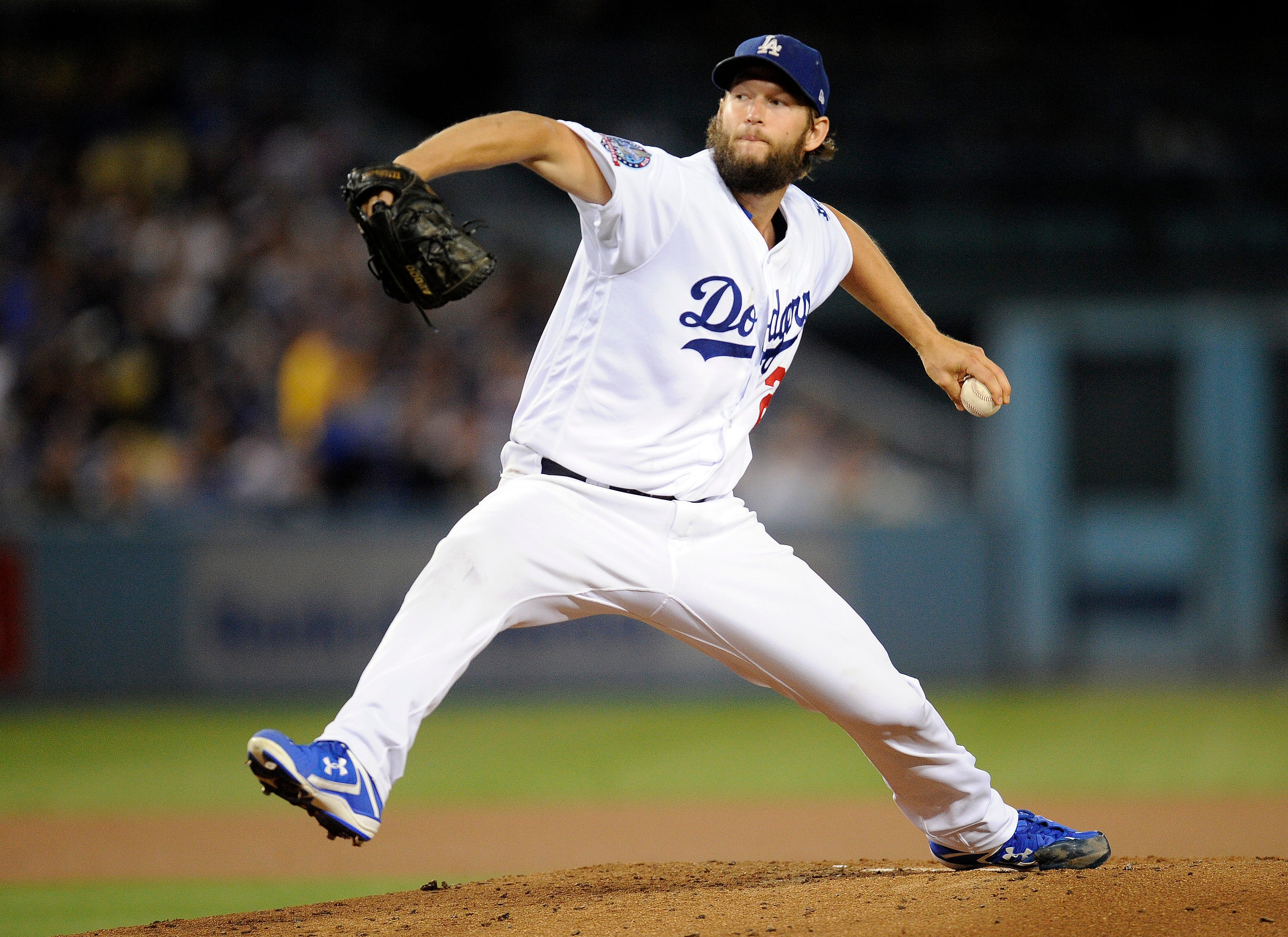 $215 million: Clayton Kershaw, Los Angeles Dodgers (2014-2020)" style="max-width:100%; height:auto; border-radius:6px; margin:10px 0;" loading="lazy" />
 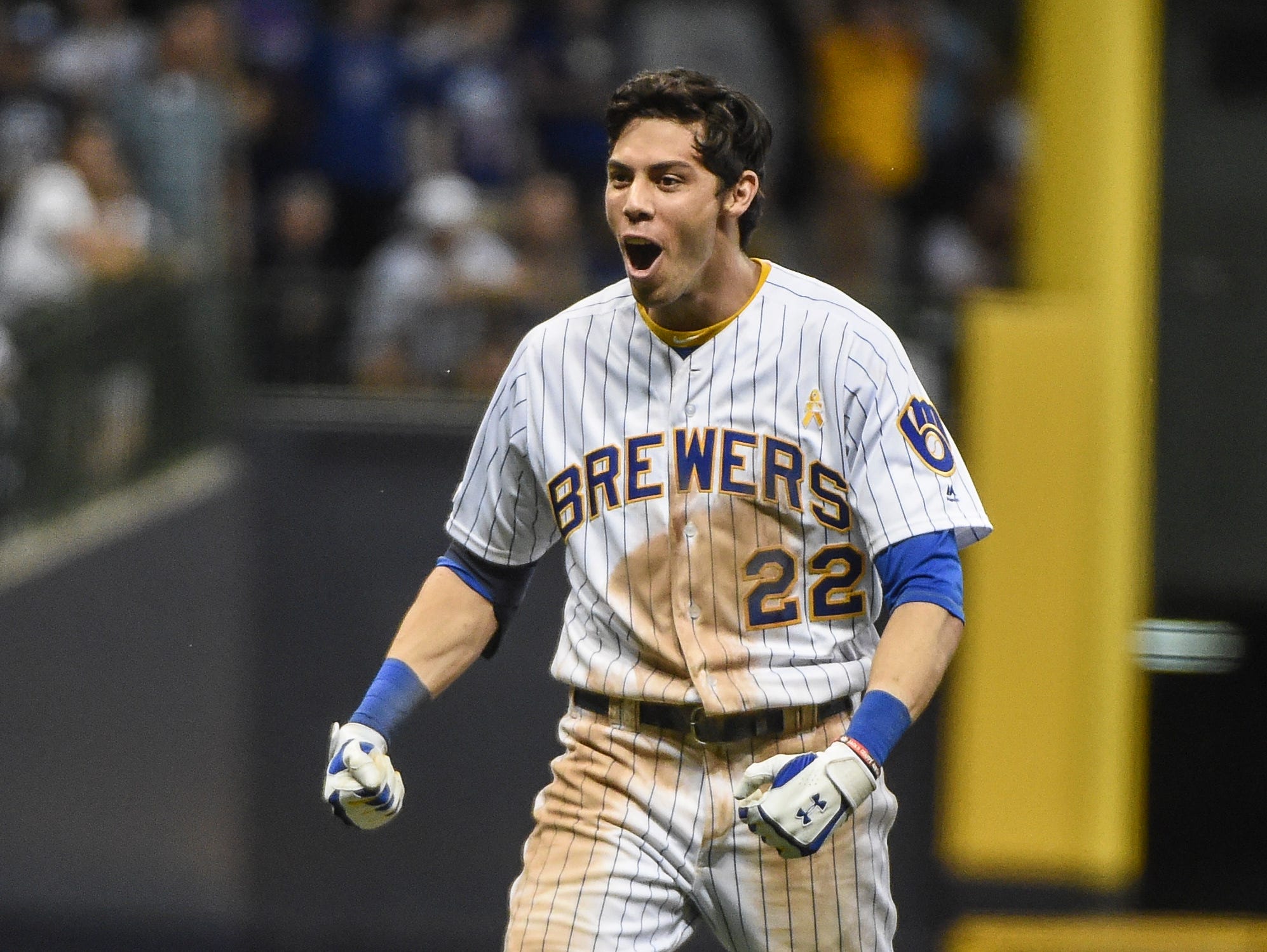 $215 million: Christian Yelich, Milwaukee Brewers (2020-28)" style="max-width:100%; height:auto; border-radius:6px; margin:10px 0;" loading="lazy" />
 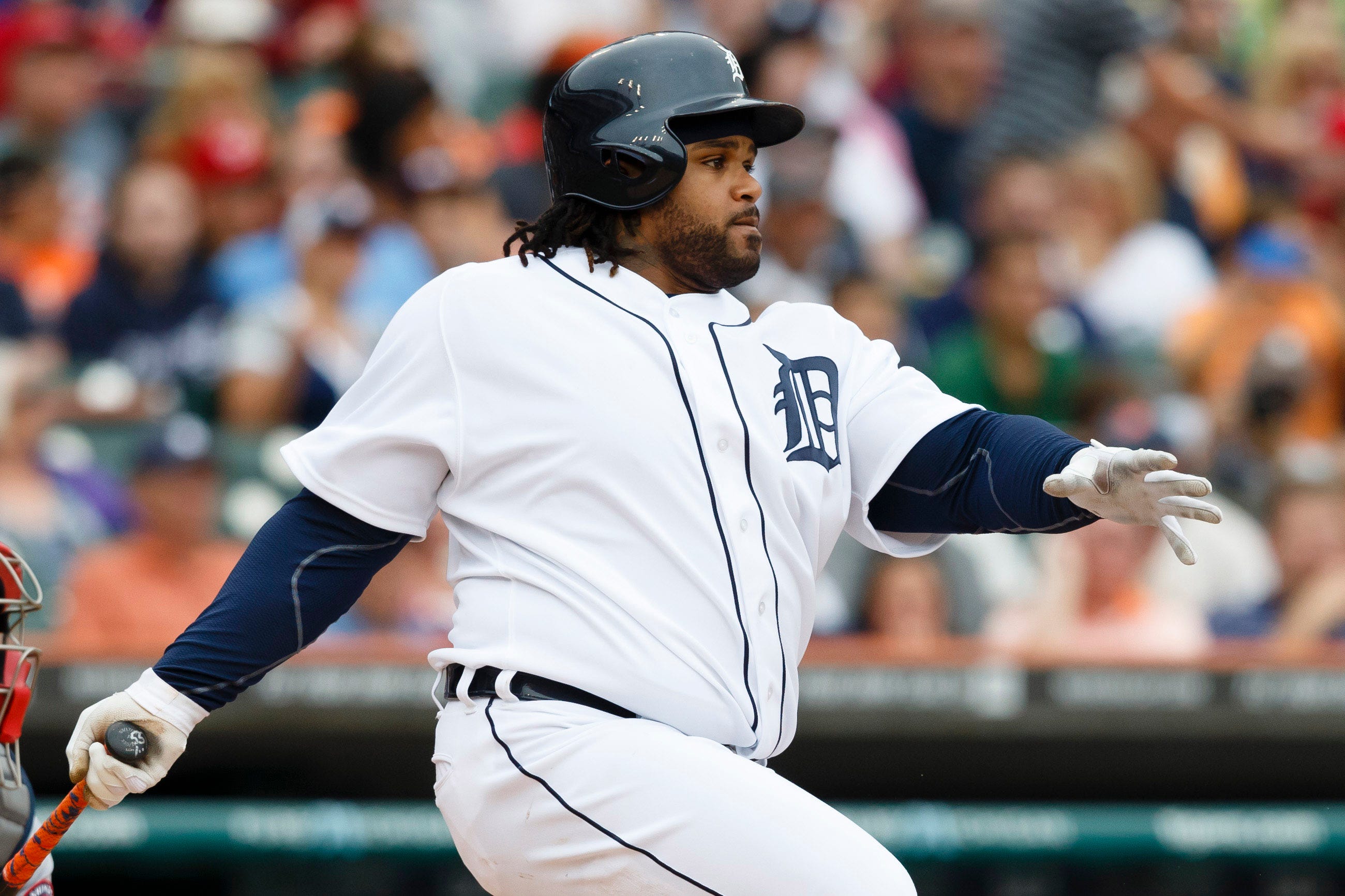 $214 million: Prince Fielder, Detroit Tigers (2012-2020) – traded to Texas Rangers in 2013" style="max-width:100%; height:auto; border-radius:6px; margin:10px 0;" loading="lazy" />
 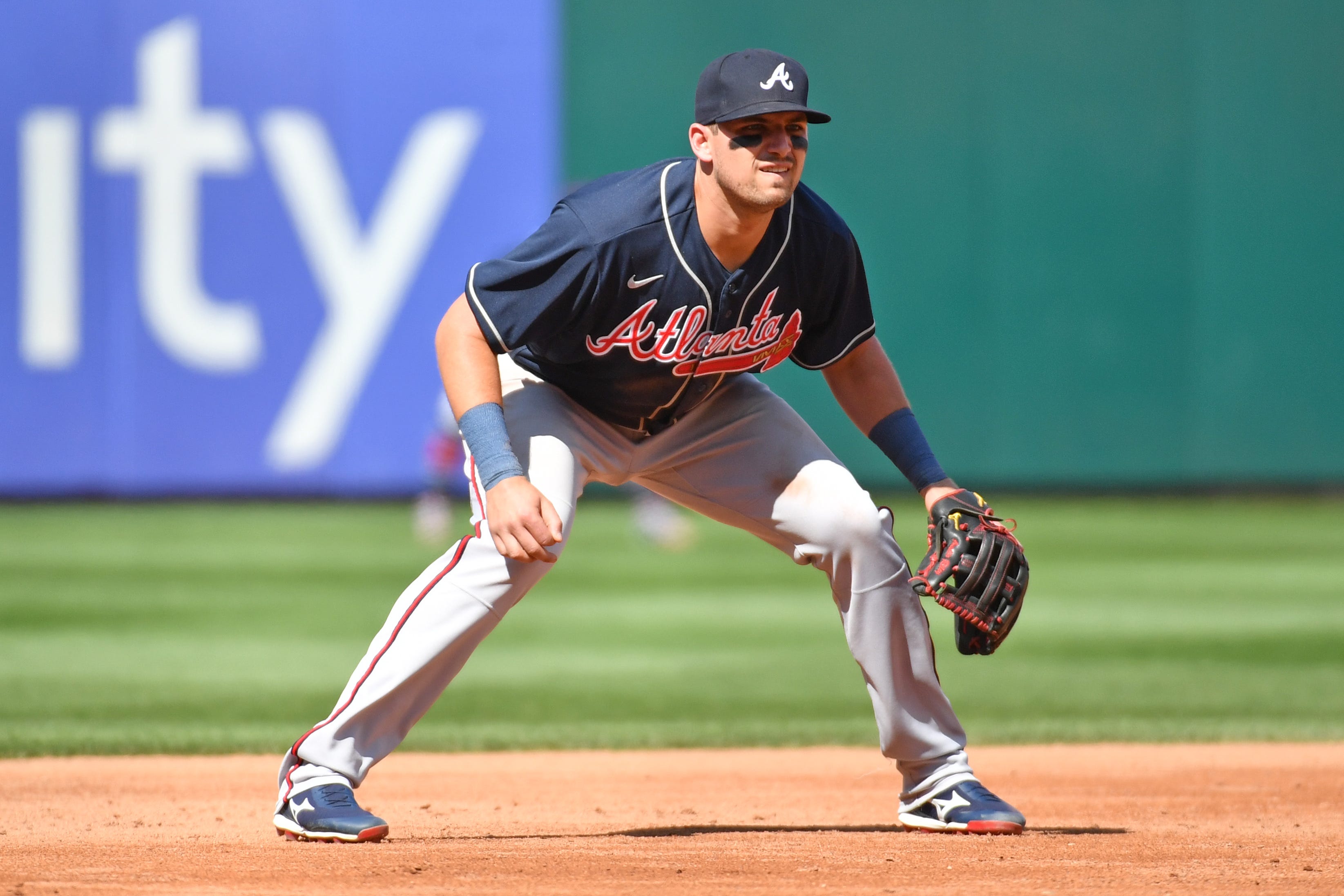 $212 million: Austin Riley, Atlanta Braves (2023-32)" style="max-width:100%; height:auto; border-radius:6px; margin:10px 0;" loading="lazy" />
 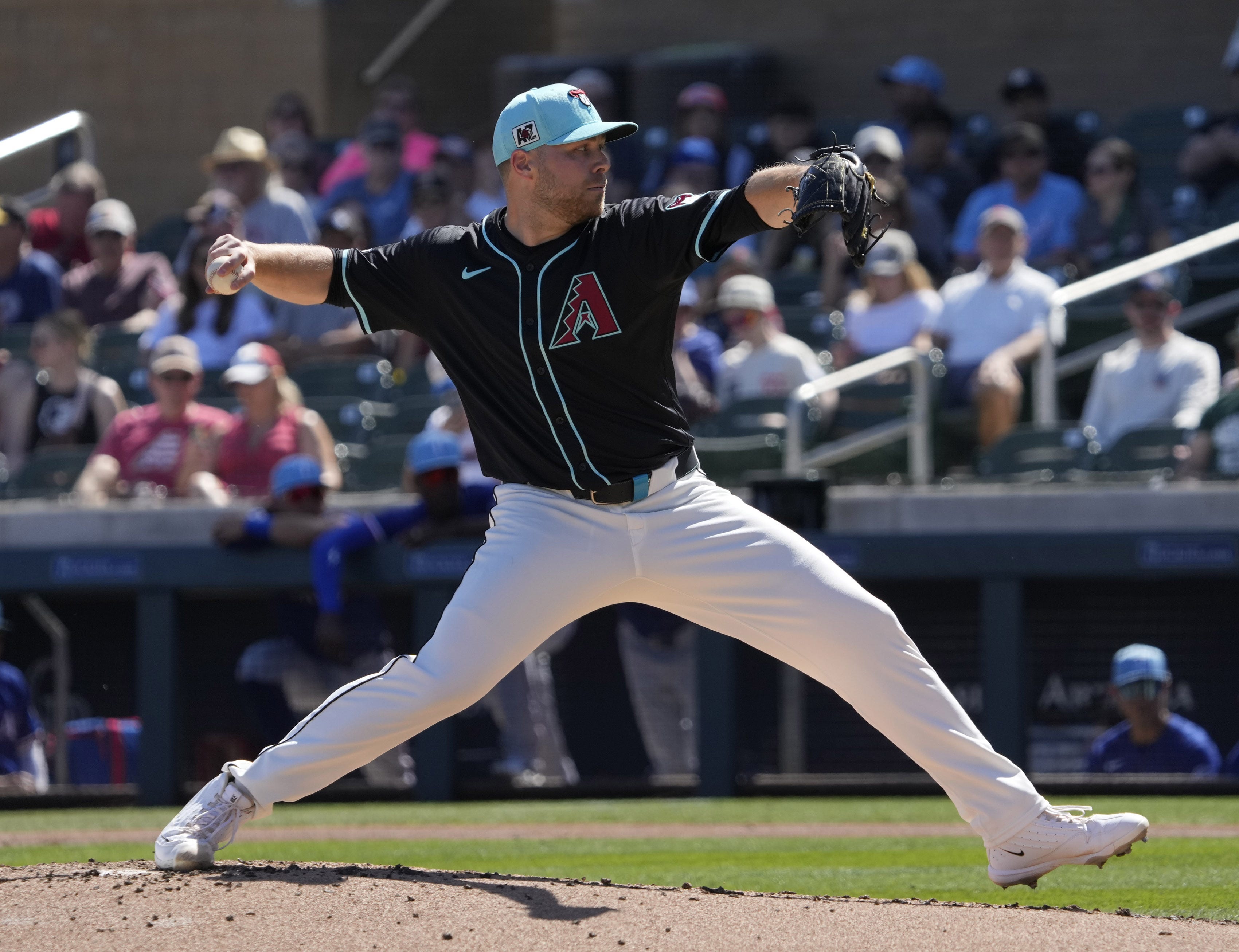 $210 million: Corbin Burnes, Arizona Diamondbacks (2025-30)" style="max-width:100%; height:auto; border-radius:6px; margin:10px 0;" loading="lazy" />
 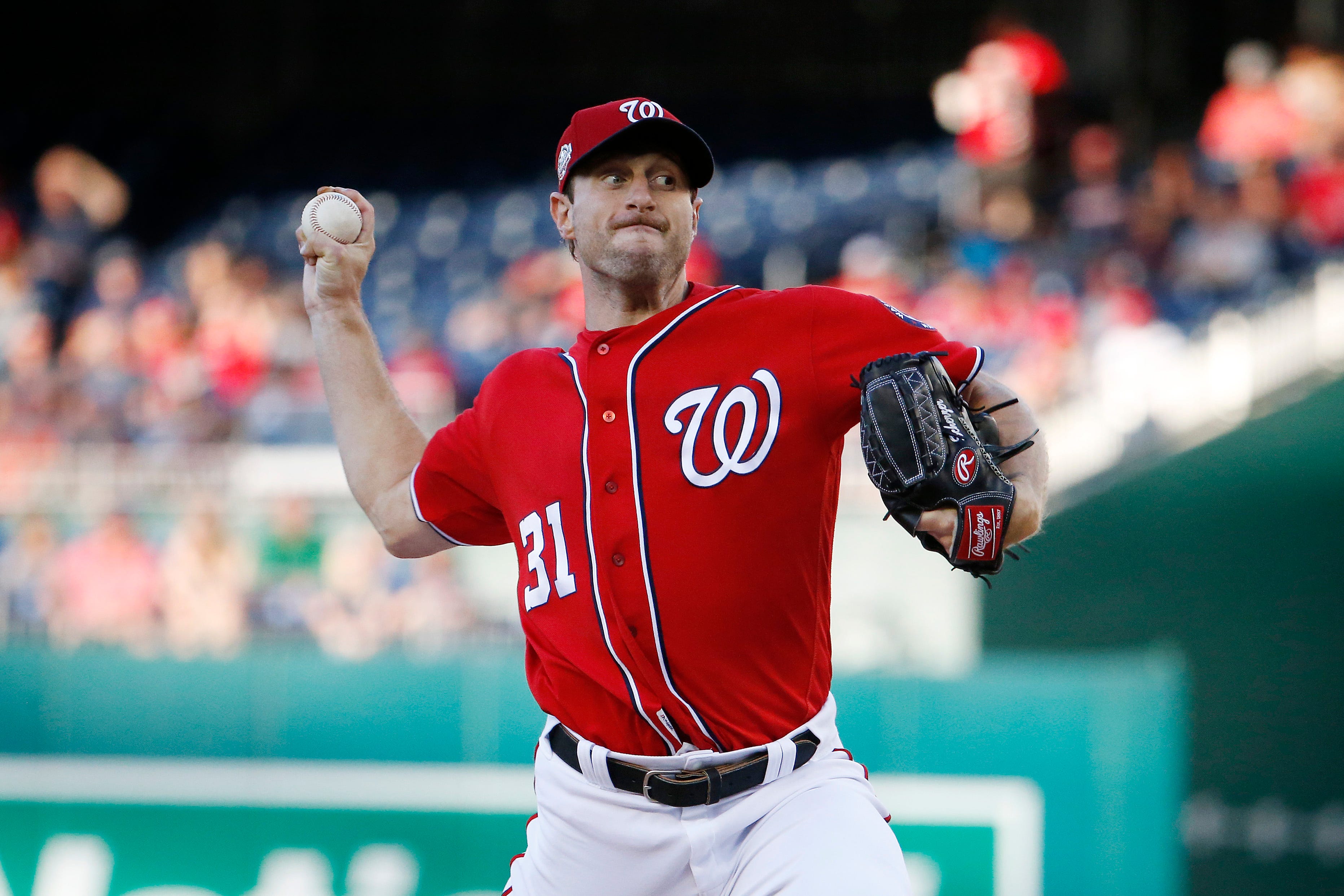 $210 million: Max Scherzer, Washington Nationals (2015-2021)" style="max-width:100%; height:auto; border-radius:6px; margin:10px 0;" loading="lazy" />
 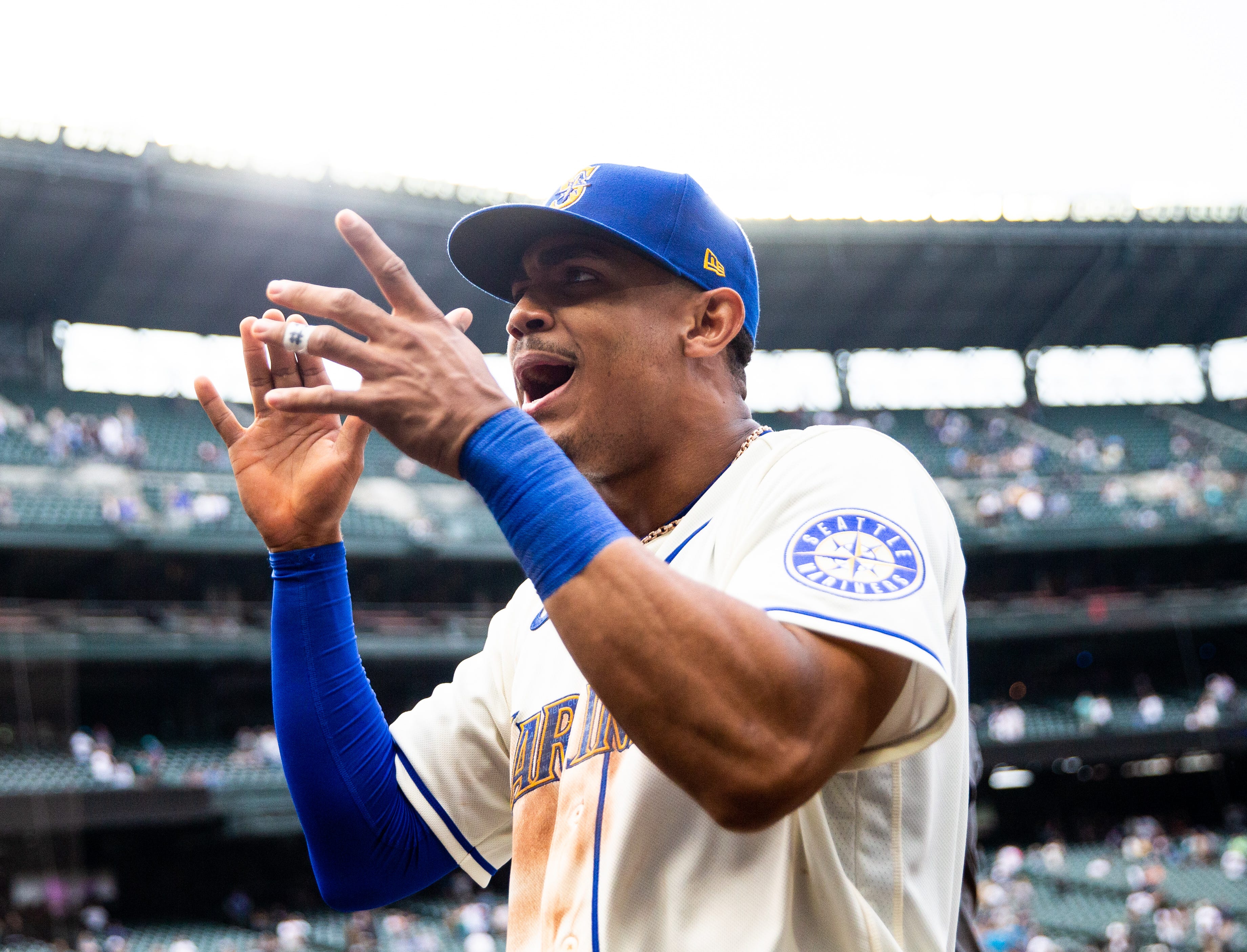 $209.3 million: Julio Rodriguez, Seattle Mariners (2023-34)" style="max-width:100%; height:auto; border-radius:6px; margin:10px 0;" loading="lazy" />
 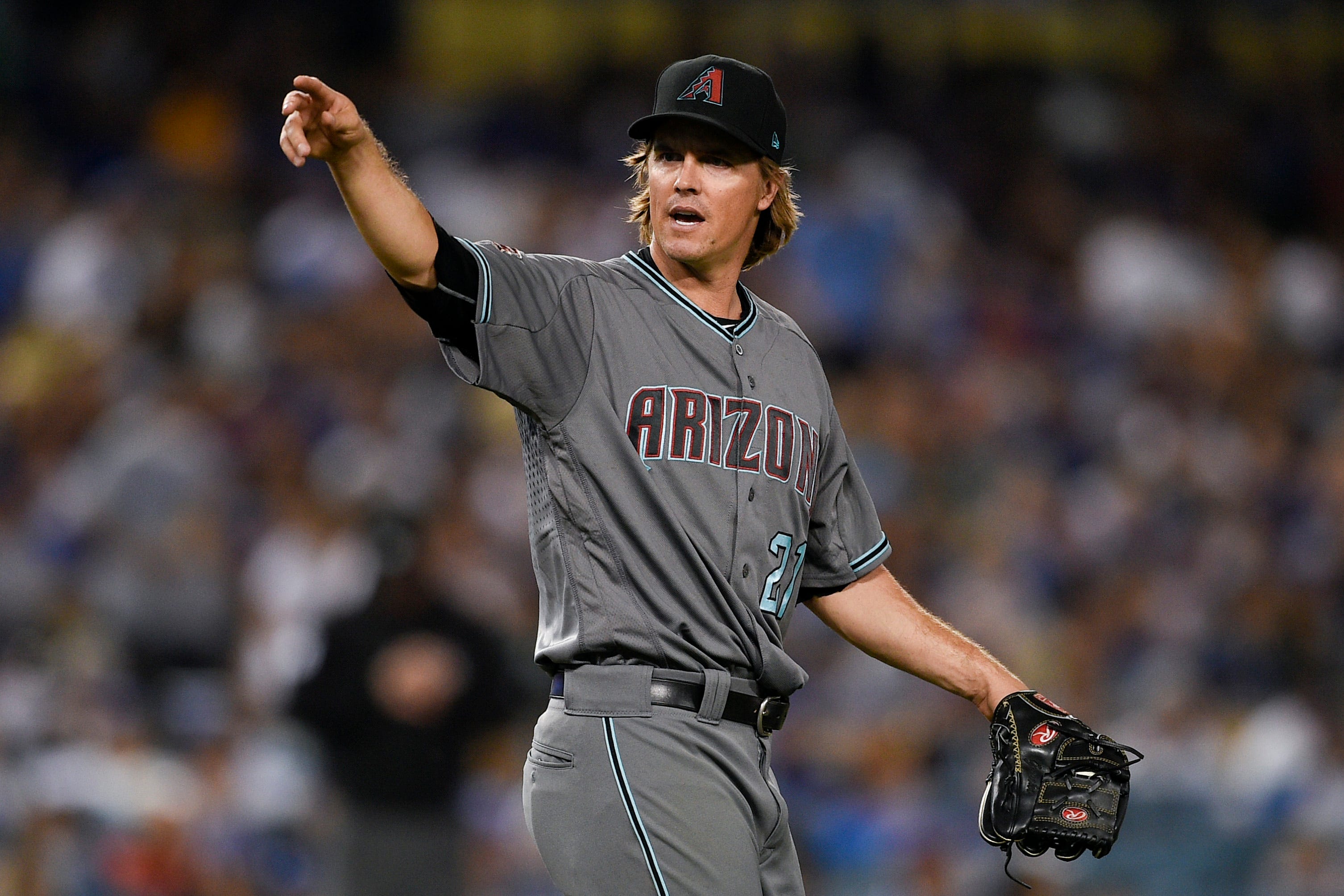 $206.5 million: Zack Greinke, Arizona Diamondbacks (2016-2021) – traded to Houston Astros in 2019" style="max-width:100%; height:auto; border-radius:6px; margin:10px 0;" loading="lazy" />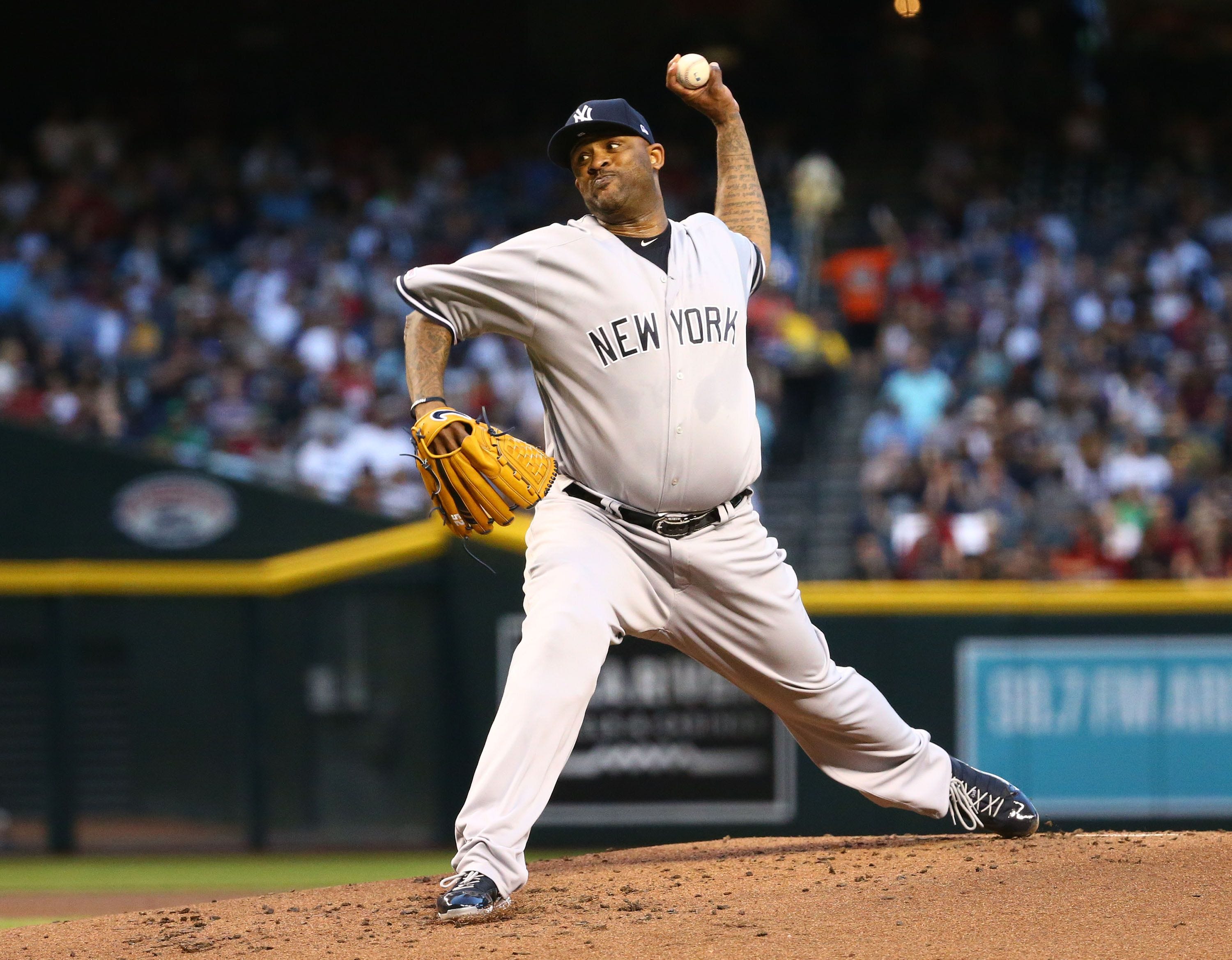
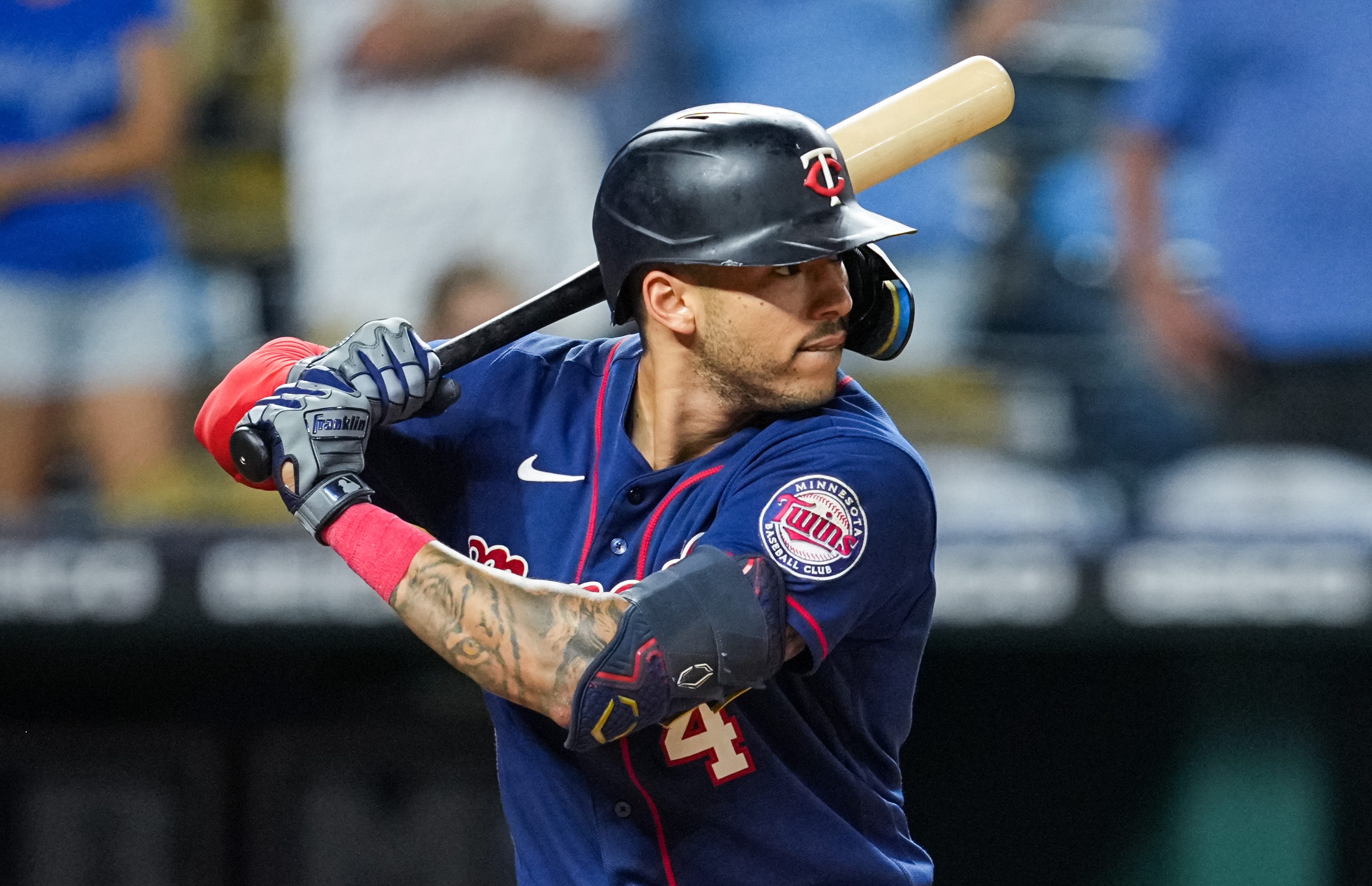 $200 million: Carlos Correa, Minnesota Twins (2023-28) - traded to Houston Astros in 2025" style="max-width:100%; height:auto; border-radius:6px; margin:10px 0;" loading="lazy" />
 MLB's $200+ million contracts
$765,000,000: Juan Soto, New York Mets (2025-39)
Small markets: Larger than you think
The runaway popularity of the NFL – it is the monoculture, and nothing else basically exists on that level – has certainly done a number on the brains of sports fans.
Setting aside for a moment the virulent anti-labor landscape of the NFL, it is clear that its salary cap does not solve many of the problems some baseball fans claim is now endemic in their un-capped sport.
Not when just eight franchises have accounted for the past 18 trips to the Super Bowl. Or when the AFC championship has featured one or both of the Patriots and Chiefs for the past 15 seasons.
It is almost like organizational competence matters more than a flattening of the salary structure.
Oh, but the little guy has a chance in football, you say!
Perhaps nominally. Yet in that 15-season span dominated by the Chiefs and Patriots, just 12 teams reached the Super Bowl.
Wanna guess how many teams reached the World Series in that same stretch beginning with the 2011 season?
Eighteen, which means it's easier to reel off the ones who didn't make the Fall Classic: Baltimore, Minnesota, the Chicago White Sox, Seattle, Oakland/Yolo Countys, the Los Angeles Angels, Miami, Milwaukee, Cincinnati, Pittsburgh, San Diego and Colorado.
The Padres, Orioles, Brewers and Mariners all reached a league championship series in that time. Do the remaining franchises strike you as particularly well-run? Do they have distinguished ownership groups with clear vision and a penchant for innovation? Consistently operate at a high level?
Certainly, the Twins and A's had their moments in that span. At the same time, ownership foibles have exposed systemic issues that hindered consistent success.
Advertisement
The kind of thing a salary cap, say, wouldn't help.
Here's a question: Who, exactly, is the salary cap for?
Is it so the upper-middle class teams – yourRed Sox, Phillies, Giants, Blue Jays, Yankees, Cubs – can stay within shouting distance of the Big Two?
To provide a puncher's chance for the most bedraggled among us – your Pirates and Marlins, Royals and Reds?
This is where it gets challenging to determine if the cap would actually help – or if some of those franchises would simply continue their same aversion to serious competition, pocket their shared revenues and lock in even greater profits for every other franchise.
Funny thing about the "little guys" – market size is often the shield management hides behind. It's interesting to look at theactual size of marketsand realize just how big they are.
Poor little Pittsburgh? The Pirates have never signed a free agent for more than $39 million. Have not won their division since 1992. Yet Pittsburgh itself, at 1.16 million, ranks 27thamong Nielsen markets – a few notches above No. 30 San Diego, which checks in at 1.11 million.
You know San Diego, right? Famously boxed in by Mexico to the south, the desert to the east, L.A. to the north – yet since 2021 has signed five players to contracts worth between $100 million and $340 million. And with each subsequent add, Petco Park gets a little more crowded.
How about plucky Tampa Bay, having to do things smarter than anyone, and like Pittsburgh with never more than $40 million awarded to a free agent? Well, the Tampa-St. Pete market ranks 12thnationally, with 2.22 million people – just behind that other Bay Area, in California.
Sure, the Rays have a stadium problem, most notably the difficulty reaching Tropicana Field in St. Petersburg from points north and east. They'reworking on it. At the same time, they're as close in market size to Boston (2.58 million) as they are Minneapolis-St. Paul (1.88 million)
Little wonder new owner Patrick Zalupski paid $1.7 billion to purchase the club in September. The Rays have doggedly carved out their role in the MLB pantheon – spend little, win more than they lose. A new stadium would make this an insanely profitable gambit, but it's pretty sweet already.
A salary cap would only further burnish the franchise value, which is the real carrot for Zalupski's cronies.
Yet would it make these franchises better, or markedly enhance their championship hopes?
We probably know the answer. The Pirates with a salary cap would simply be the New Orleans Pelicans in spikes.
Cap casualties
Beyond that, salary caps are kind of a bummer.
Baseball fans have gotten well-acquainted with luxury tax thresholds and their respective teams' willingness or otherwise to exceed them. Certainly, the tax ceilings may cost a team a player, or prevent them from that final, crucial move down the stretch.
Yet that comes without the many problems a hard cap presents.
A favorite player becoming a "salary cap casualty."
The tension that comes when a veteran is asked to "rework their contract for the good of the team."
The aggravation of a team's "win curve" suddenly running up against the cap, preventing retention or addition of talent when the time is right to strike.
The training camp holdout, a maneuver multiple NFL stars perform each summer because their leverage is virtually nil.
Certainly makes baseball's annual rituals – theBoras Four, thesoft core collusion– seem quaint.
Indeed, for all baseball's economic travails, the transactions bring a finality that simply doesn't exist in the NFL. The contracts are guaranteed. The players abide by the contract, even when aBryce Harperor anAaron Judgesign what look like watershed deals, only to get superseded withina year or two.
Naturally, owners' efforts to form a united front for a salary cap will be fascinating. Twenty-three of the 30 must agree to it. Not hard to imagine the Mets and Dodgers, privately at least, are opposed: They are operating with impunity, so long as they consider scratching nine-figure tax checks that fund baseball's less fortunate as the cost of doing business.
The others? Well, they are free to be as profligate or tight-fisted as they like in a given year. Too often we perceive the MLB franchise in extremes: The wild-eyed spenders, or the destitute trying to find scraps on the waiver wire.
The greater truth is that teams are more like poker players, often calling, sometimes folding but occasionally eyeing their suddenly large stack of chips and deciding to go for it.
In this century, 18 teams - Toronto, Boston, Detroit, Seattle, Texas, Anaheim, Philadelphia, the Mets, Miami, Atlanta, Washington, the Cubs, St. Louis, the Dodgers, San Diego, San Francisco, Arizona, Colorado – have had go-for-it and moribund periods alike.
All but Seattle have made a World Series, more emblematic of the game's reality than the outliers.
Someday, should their financial situations change or their rosters are finally hamstrung by too much big-money, fading talent, the Mets and Dodgers may find themselves back on the wrong side of that line.
For now, they are the game's pariahs, their proverbial hands slapped for trying too hard. The industrywide price, in management's eyes, should be a salary cap.
A greater solution: A little more competence and a little more care from those who have displayed precious little of either.
This article originally appeared on USA TODAY:Would MLB salary cap fix baseball payrolls? Not as much as competence.